
Last updated November 23, 2026
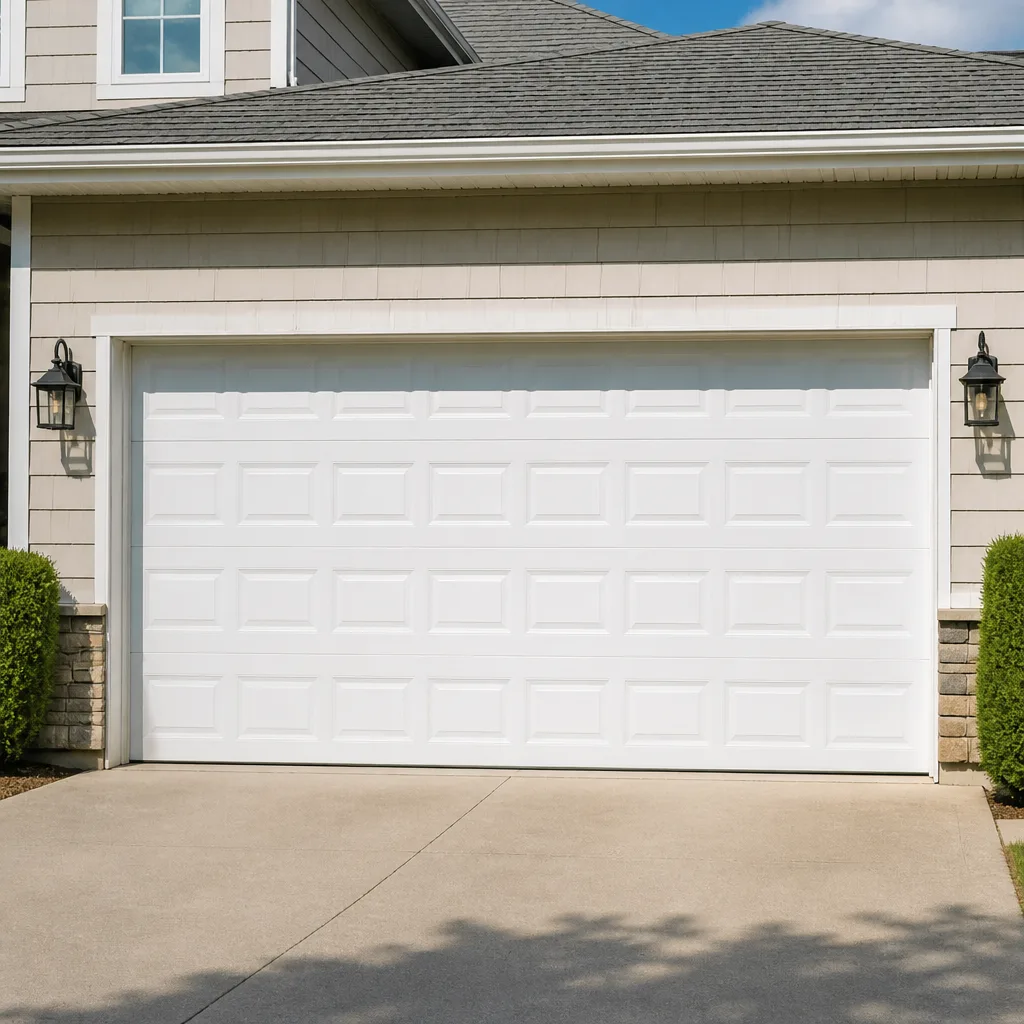 Raised-panel steel
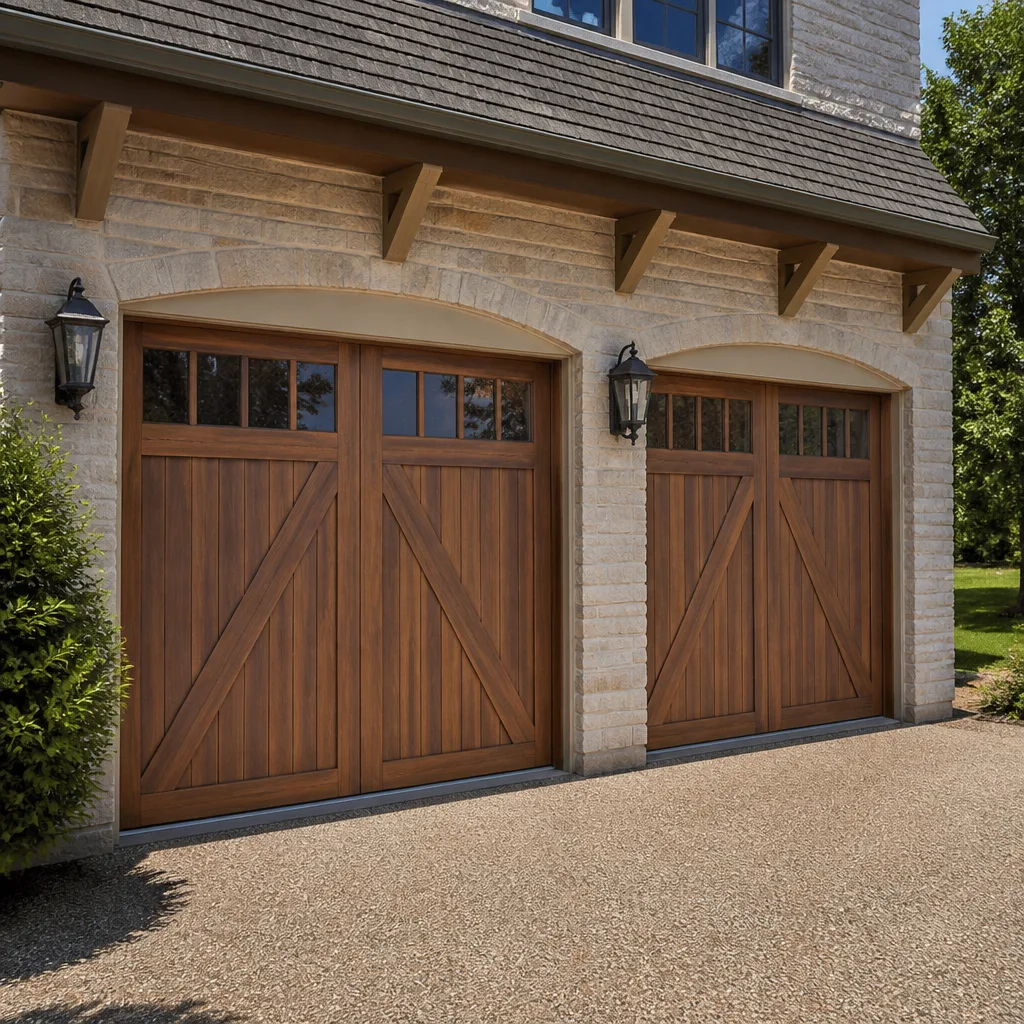 Carriage house
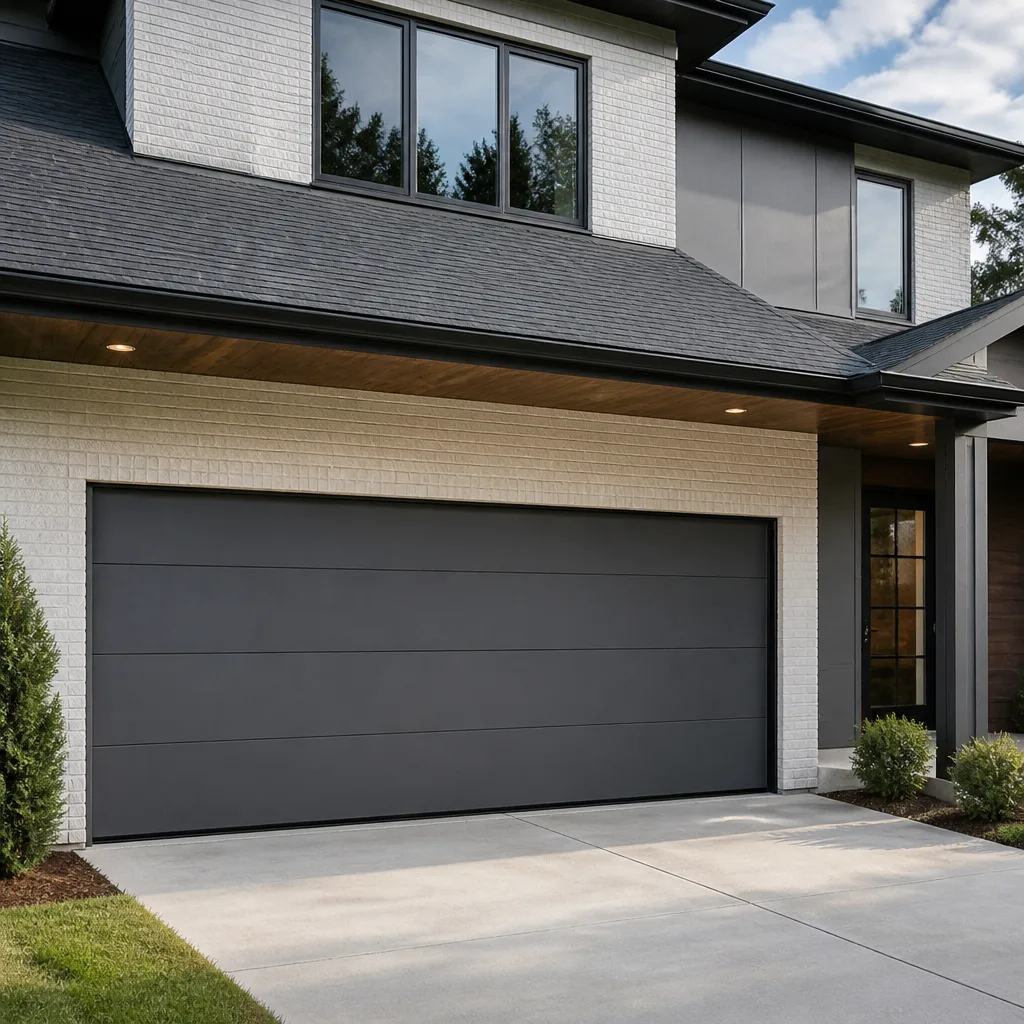 Modern flush
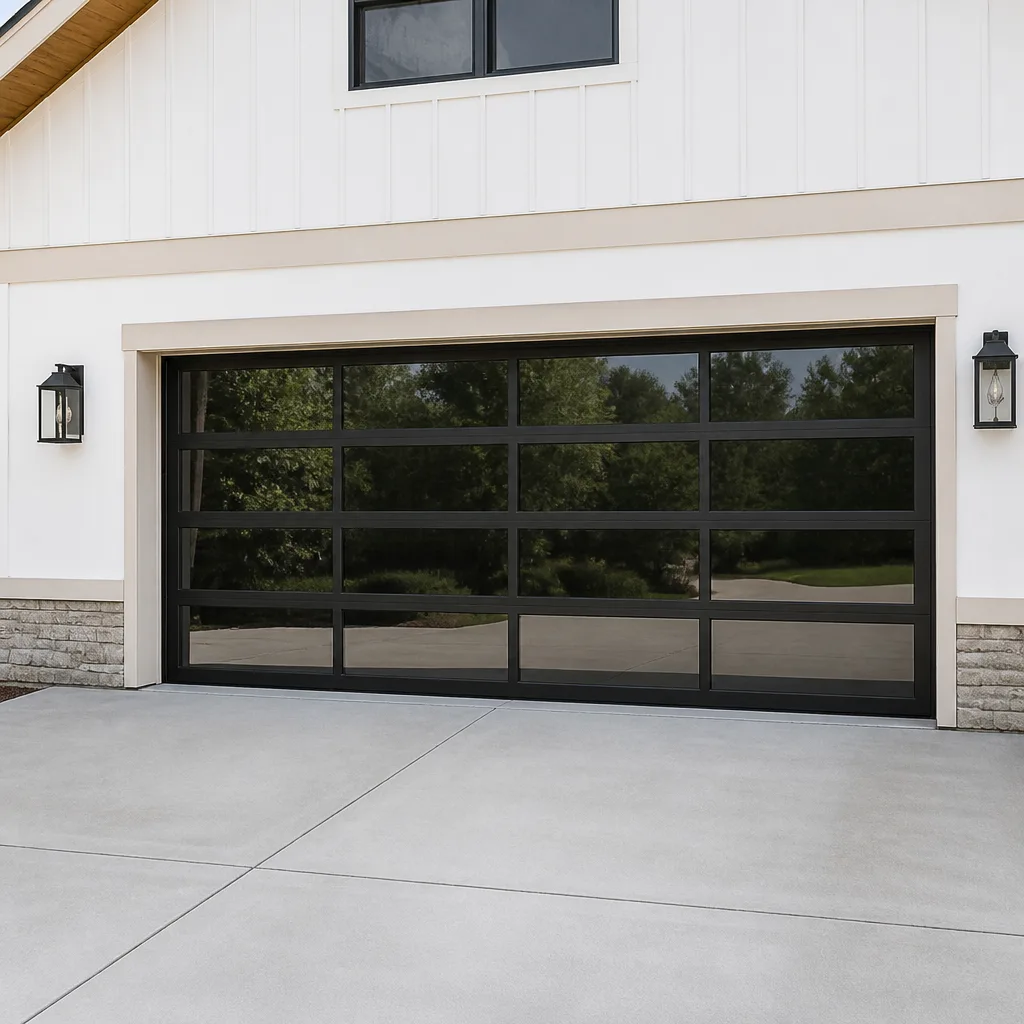 Full-view glass
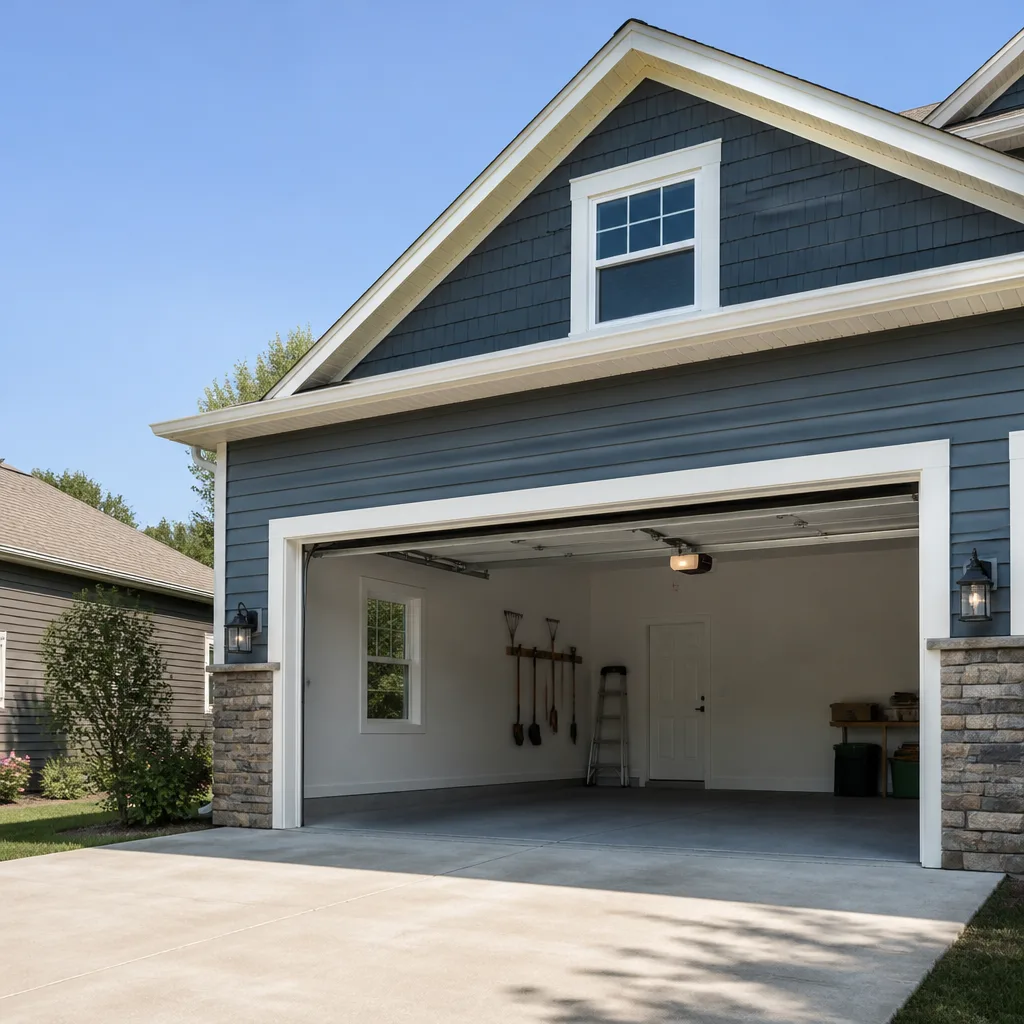 LiftMaster openers
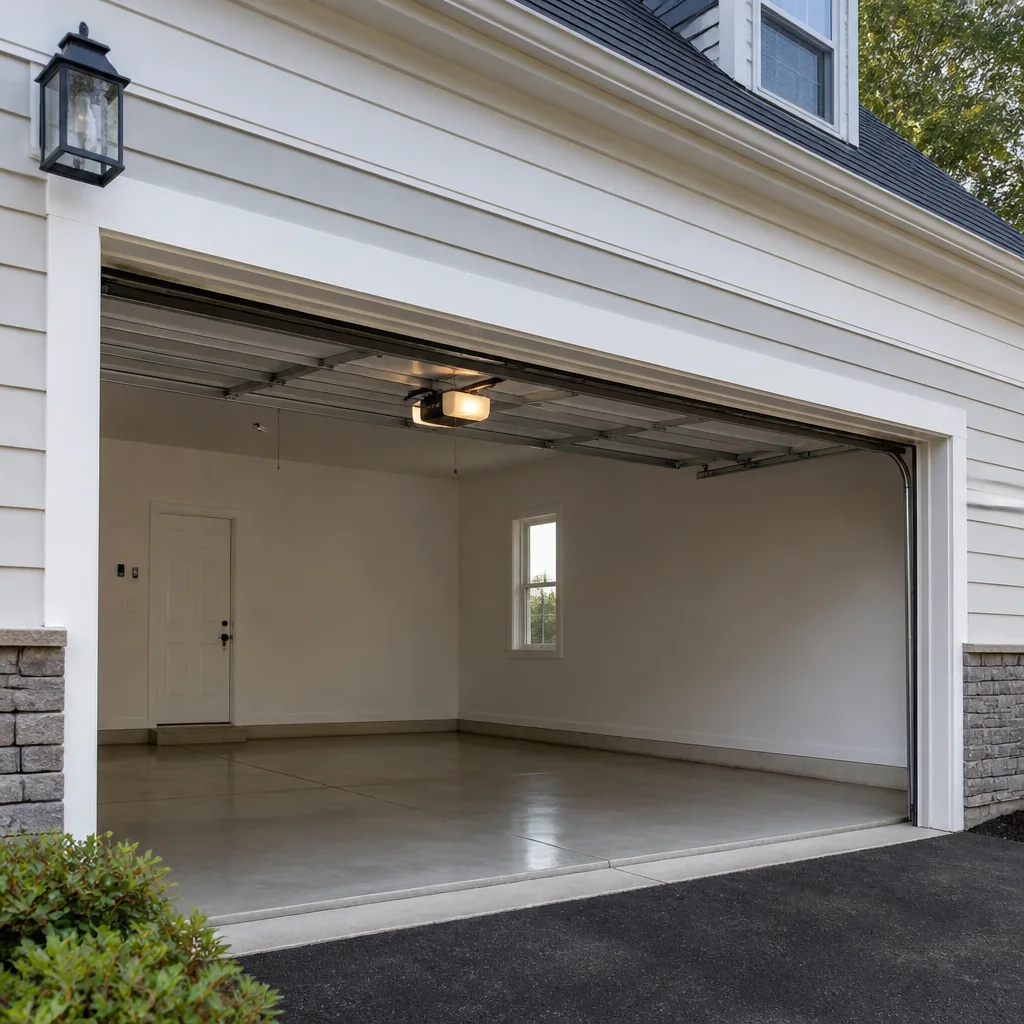 Chamberlain openers
Full 25-point door and opener safety check with every visit - springs, cables, rollers, tracks, and your LiftMaster or Chamberlain opener included
You get a price before we start. It does not change when the pro arrives.
Get your free estimateThe Complete Guide to Garage Doors in Evanston
Most garage door advice you’ll read online was written for a subdivision built in 2005 with a clean, wide driveway and a garage that faces the street. Evanston isn’t that city. More than 60% of Evanston’s residential structures went up before 1960, which means a huge share of the garages here were framed for cars with different dimensions than the ones parked in them now. That mismatch is the quiet source of half the installation headaches we run into. In this guide we’ll walk through how Evanston’s housing stock, alley-facing garages, lakeside climate, and historic district rules shape every decision, from a snapped spring to a full door replacement. You’ll learn what actually applies to your garage rather than what a generic national checklist says.
Quick Answer
Garage door work in Evanston is shaped more by the building than by the door. Pre-1960 garages usually have tight headroom, older or narrower openings, and alley access that limits how an opener can be mounted. Lake Michigan proximity speeds up corrosion on tracks, hinges, and springs, so hardware choices matter here. Historic district overlays can also affect a visible replacement door, so check with the city before you order. Springs are the one repair you should never attempt yourself: they store hundreds of pounds of tension.
Styles & brands we work with
- Raised-panel steel
- Carriage house
- Modern flush
- Full-view glass
- LiftMaster openers
- Chamberlain openers
Table of Contents
- How Evanston’s Housing Stock Shapes Your Garage Door
- Alley-Facing Garages and the Clearance Problems They Create
- Door Widths and Headroom: Pre-1960 vs. Modern Openings
- Lake Michigan, Corrosion, and Which Materials Hold Up
- Navigating Historic District Overlays for Visible Doors
- What’s Already in Evanston Garages, by Era and Brand
- Springs, Openers, and What You Can Safely Check Yourself
- Repair or Replace? A Decision Framework
How Evanston’s Housing Stock Shapes Your Garage Door
Evanston grew up in layers. The dense brick two-flats and four-squares date largely from the 1910s through the 1930s. Postwar ranches filled in during the late 1940s and 1950s. Newer infill construction sits between and behind those older homes. Each layer built its garages to different assumptions, and those assumptions are still baked into the concrete, the framing, and the headroom above your door.
The practical result is that “standard” garage door sizing doesn’t mean much in this city. A door spec sheet that works perfectly in a Naperville subdivision can require custom framing or a low-headroom conversion in a 1920s Evanston garage. When we look at an Evanston garage door, the first questions are about the building, not the panel:
- How old is the garage structure, and was it a later addition?
- Is the opening a nominal 8, 9, or 16 feet wide, or an odd in-between size?
- Is there enough headroom above the opening for a standard torsion setup, or does it need a low-clearance option?
- Are the side jambs wide enough for a track and hinge stack?
Getting these answers right up front saves you from ordering a door that won’t fit or an opener that can’t mount. In our experience, pre-1960 Evanston garages reward a careful measure-and-think process far more than modern construction does, because there’s less margin to absorb a mistake.
Alley-Facing Garages and the Clearance Problems They Create
Many of Evanston’s older neighborhoods put the garage at the back of the lot, accessed off an alley rather than a driveway. That layout is charming until you need to work on the door, because the constraints are different from a street-facing garage.
The biggest issue is opener placement. An alley-facing garage often has a shallow ceiling, a low header, or an obstruction where a street-facing garage would have clear overhead space. A ceiling-mounted opener with a standard rail may not fit, or the rail may leave no room for a person to walk under it. Here’s what that means in practice:
- Check the header height. Low headers rule out some opener and rail combinations.
- Look at the ceiling structure. Exposed rafters and shallow joists change how a header bracket can be mounted.
- Confirm the electrical location. An outlet at the back of an alley garage may sit awkwardly for the opener’s power draw.
- Measure the turning space. A tight alley limits how far you can swing the door and car together.
For these reasons we sometimes recommend a jackshaft-style opener (side-mounted to the torsion bar) rather than a ceiling-mounted unit. It keeps the middle of the ceiling clear and suits a low-headroom alley garage. That choice depends on having a torsion spring and the right side clearance, which an on-site look will confirm. Evanston’s alley garages are a common place where “just buy a standard opener” goes wrong.
Door Widths and Headroom: Pre-1960 vs. Modern Openings
The heart of the Evanston garage door mismatch is dimensional. Cars got bigger; many pre-1960 garages didn’t. A 1920s single-car opening is frequently 8 feet wide, sometimes a bit under, where a modern single-car garage is often 9 feet. That extra foot matters for fitting mirrors and a door that isn’t constantly grazing the jamb.
Headroom is the other half. Headroom is the distance from the top of the opening to the ceiling. Standard torsion setups want roughly 12 inches of it. Many older Evanston garages have less, which forces one of a few options:
- Low-headroom torsion kit. Rear-Mounted springs and a tighter radius on the track.
- A different track configuration. A high-lift or vertical setup for garages with tall ceilings but a low opening.
- Custom door sizing. If the opening is odd by today’s standards, a made-to-width door avoids covering up framing with filler.
Modern construction in Evanston usually has a nominal 16-foot double-car opening with the ceiling height to match. If your garage is newer, the off-the-shelf sizing rules generally apply. If it’s older, treat any “standard” spec as a starting point you have to verify against your actual framing. This is exactly the kind of thing that makes a free measure worth doing before you commit to a door or opener.
Lake Michigan, Corrosion, and Which Materials Hold Up
Evanston sits right on Lake Michigan, and that proximity changes the maintenance math. We’re not talking about salt air, but the moisture, humidity swings, and freeze-thaw cycles that come with lakefront life still take a toll on metal hardware. Springs, hinges, rollers, and bottom brackets rust faster when they’re exposed to moisture, and a rusty spring is a spring that weakens sooner.
What holds up:
- Galvanized and stainless hardware. Better resistance on hinges, rollers, and fasteners for garages that see more dampness.
- Painted steel doors with quality coatings. Clopay and Amarr doors with good finish warranties handle lake weather better than bare or lightly coated panels.
- Sealed or insulated doors. Insulated panels resist condensation and frost better than uninsulated ones, which helps in a garage that’s attached to the house.
- Aluminum or composite options for exposed trim. Less rust-prone than standard steel trim near the ground.
Wood doors look great on a historic Evanston home but need regular staining and paint touch-ups to survive lake weather. Whatever the material, the maintenance rhythm matters: a quick visual check of springs and hinges twice a year catches corrosion before it turns into a failure. We’ve seen more than a few Evanston garages where a rusted spring let go because nobody looked at it for years.
Navigating Historic District Overlays for Visible Doors
Parts of Evanston fall under historic district overlay rules, and those rules can affect what a garage door replacement is allowed to look like from the public way. This isn’t a reason to panic, but it is a reason to do a little homework before ordering.
Here’s a practical sequence:
- Ask the city first. Call Evanston’s building department and ask whether your address falls within a historic district overlay and what review, if any, applies to a garage door replacement.
- Confirm what “visible” means. A door facing an alley may be treated differently from one visible from the street, so describe the placement.
- Choose a compatible profile. Historic districts generally care about visible character: panel style, color, and material. A raised-panel steel door can often match the look of an older wood door.
- Document your measure and the product. If review is required, having the door spec in hand speeds things up.
We don’t hand out permits or promise what a review board will approve, and we’re careful not to guess at the code. What we can do is measure accurately, recommend a door style that reads correctly on an older Evanston home, and make sure the installation follows whatever the city requires. Amarr and Clopay both offer raised-panel designs that suit older brick homes better than a flat contemporary slab.
What’s Already in Evanston Garages, by Era and Brand
Part of the reason we work on the brand already in your garage is that Evanston’s garages hold a genuinely wide spread of equipment. Knowing the era tells you a lot about what’s likely installed and whether it’s still serviceable.
1920s-1940s: Often original wood doors, sometimes converted to steel later. Openers, if present, are likely retrofit units. Parts for very old manual hardware can be hard to find, but many of these garages are candidates for a clean replacement.
1950s-1960s: Steel panel doors start showing up, and early openers from brands like Genie appear. Some of these openers still run but with tired logic boards or stripped gears.
1970s-1990s: Craftsman and Wayne Dalton doors and openers became common. Many are still in service and perfectly repairable.
2000s and newer: Clopay and Amarr doors with modern LiftMaster and Chamberlain openers, increasingly Wi-Fi-connected through myQ. Smart-home integration is more common here.
Whatever the era, our technicians have up to 15 years of experience and are familiar with the hardware these brands use, so diagnosis is faster and parts are easier to source. If you’re not sure what you have, the label on the opener or the door’s back panel usually tells you.
Springs, Openers, and What You Can Safely Check Yourself
Springs store hundreds of pounds of tension. When a torsion or extension spring fails, the stored energy releases at once. This is not a DIY repair, and we’re firm on that point: a homeowner with a winding bar and a ladder is taking a real risk of serious injury. What you can do safely is watch and listen.
A few things to notice without touching the springs:
- A loud bang from the garage, followed by a door that won’t lift, usually means a spring broke.
- A door that rises a few inches then stops or feels very heavy points to spring or cable trouble.
- Visible gaps or stretching in an extension spring means it’s time to stop using the door.
- Grinding, humming, or a door that reverses partway can be an opener or travel-limit issue, not a spring.
For opener problems, don’t force a door that’s stuck. Some issues respond to a reset or a new remote battery, but travel limits, force settings, and gear failures are professional work. If you’re in doubt about what’s wrong, our garage door repair team can diagnose it, and opener electronics fall under garage door opener repair. When a spring has let go, that’s a garage door spring repair job with the right tooling and training, every time.
Repair or Replace? A Decision Framework
The decision isn’t always obvious, so it helps to have a way to think about it. Start with the structure, then the door, then the opener.
Repair when:
- The door panels and framing are sound and the tracks are straight.
- A single component has failed: one spring, a roller set, a hinge, an opener logic board.
- The door still fits the opening and closes flush.
Consider replacement when:
- The door is physically damaged beyond economical panel repair, or panels are no longer available.
- The opening was never sized for modern cars and the door leaves you scraping.
- You’re replacing a door that a historic overlay review still has to sign off on, so you’d rather get it right once.
- The existing door is rusted or rotting through near the bottom edge because of lake-weather moisture.
Openers are usually a repair-or-upgrade call. A legacy unit that fails twice in a year is a candidate for replacement with a modern LiftMaster or Chamberlain model, especially if you want myQ smart-home control. If you’d rather talk it through than guess, we’re happy to give you an honest read during a free estimate for Evanston Garage Door Repair Pros work. Replacement work is measured, ordered, and scheduled, so a written price comes first, and we quote the whole job before anything starts.
Common Mistakes to Avoid
- Assuming “standard” means standard here. A 9-foot door spec may not fit a pre-1960 Evanston opening. Measure the actual opening and headroom before you order.
- Trying to replace a spring yourself. Springs store hundreds of pounds of tension, and the risk is serious injury. Leave winding-bar work to trained technicians.
- Overlooking the alley clearance. Ordering a ceiling-mounted opener for a low-header alley garage creates a return trip and a refund fight. Check the header height first.
- Ignoring the historic overlay. Replacing a visible door without checking Evanston’s overlay rules can mean a do-over. Call the city before you buy.
- Choosing a door for looks alone near the lake. Wood near lake weather needs upkeep; a well-coated steel door in a compatible profile can look just as right and hold up better.
- Forcing a stuck door. Cranking a heavy door with a broken spring can bend tracks and twist panels. Stop using it and get it looked at.
- Replacing an opener when the door is the problem. A heavy or binding door makes a healthy opener strain. Diagnose the door first, then the opener.
See the difference
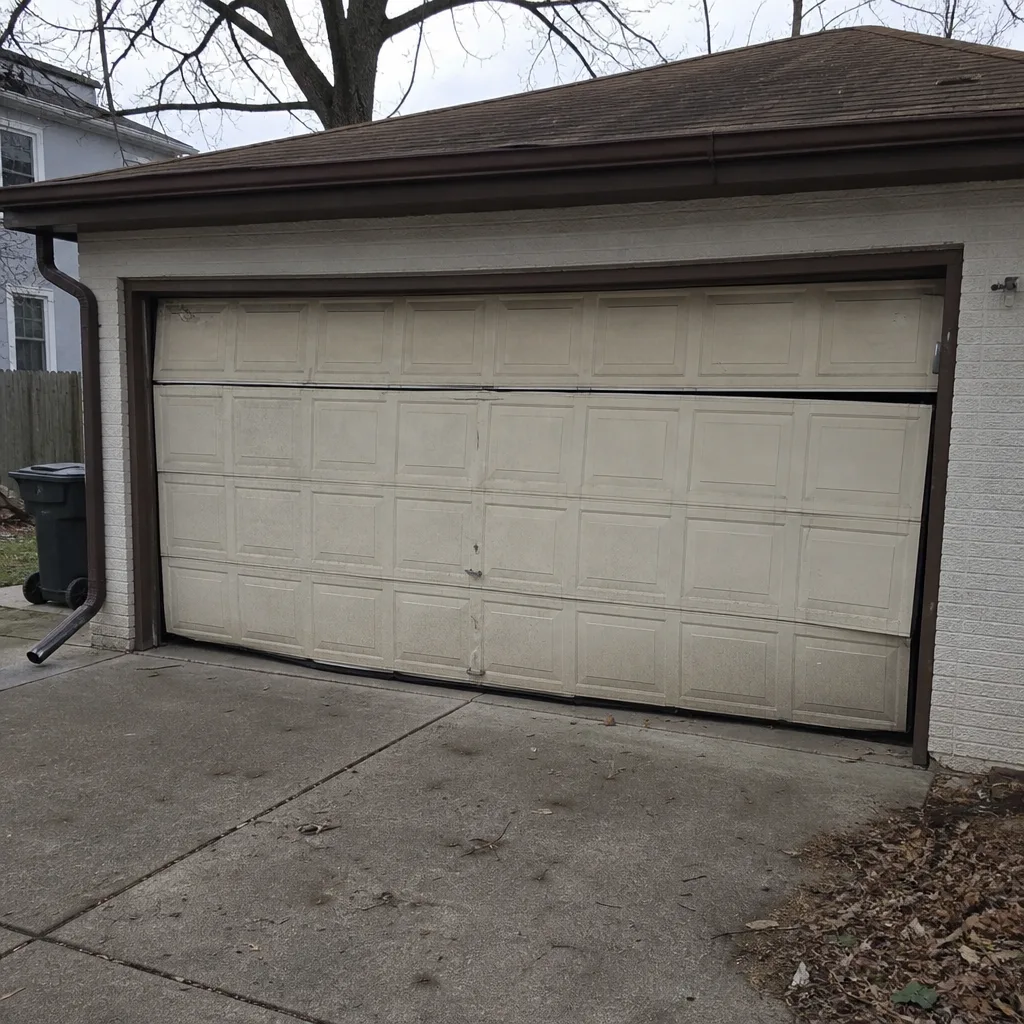 Before
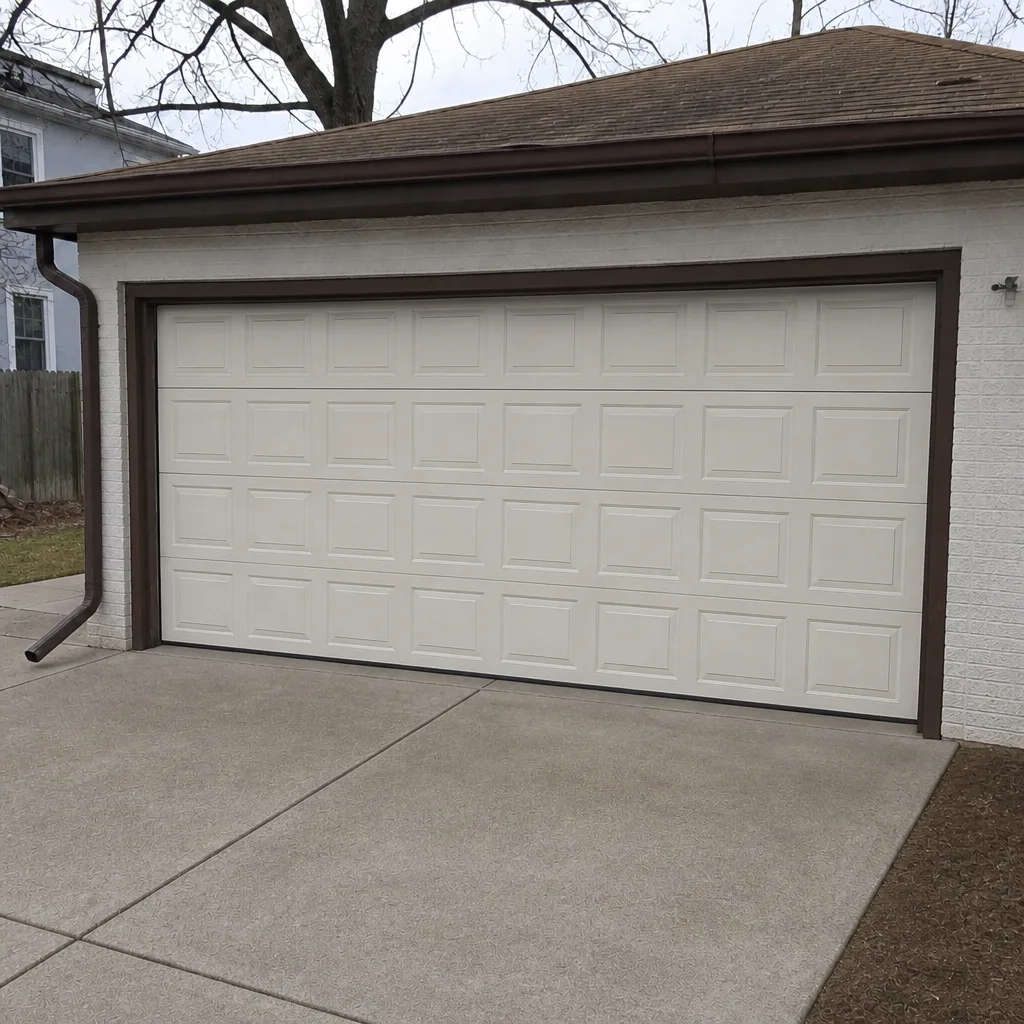 After
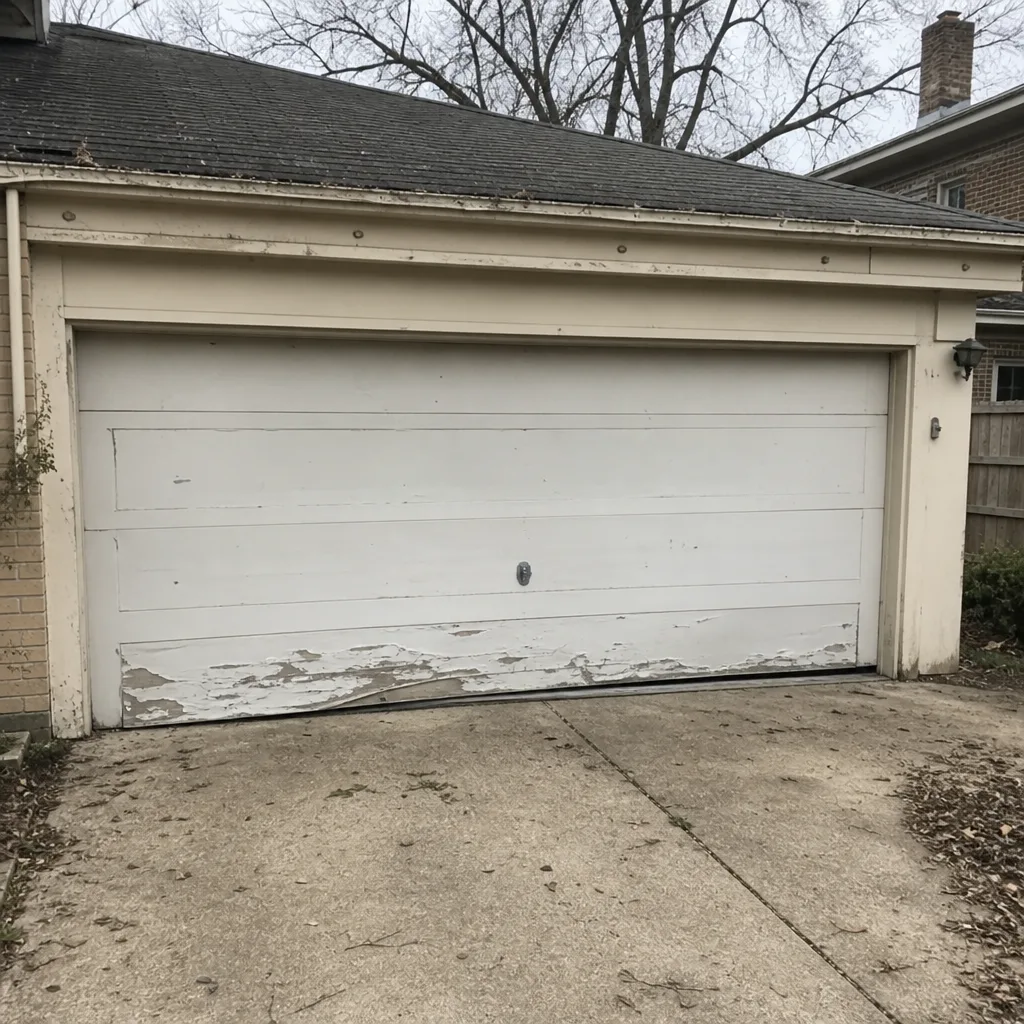 Before
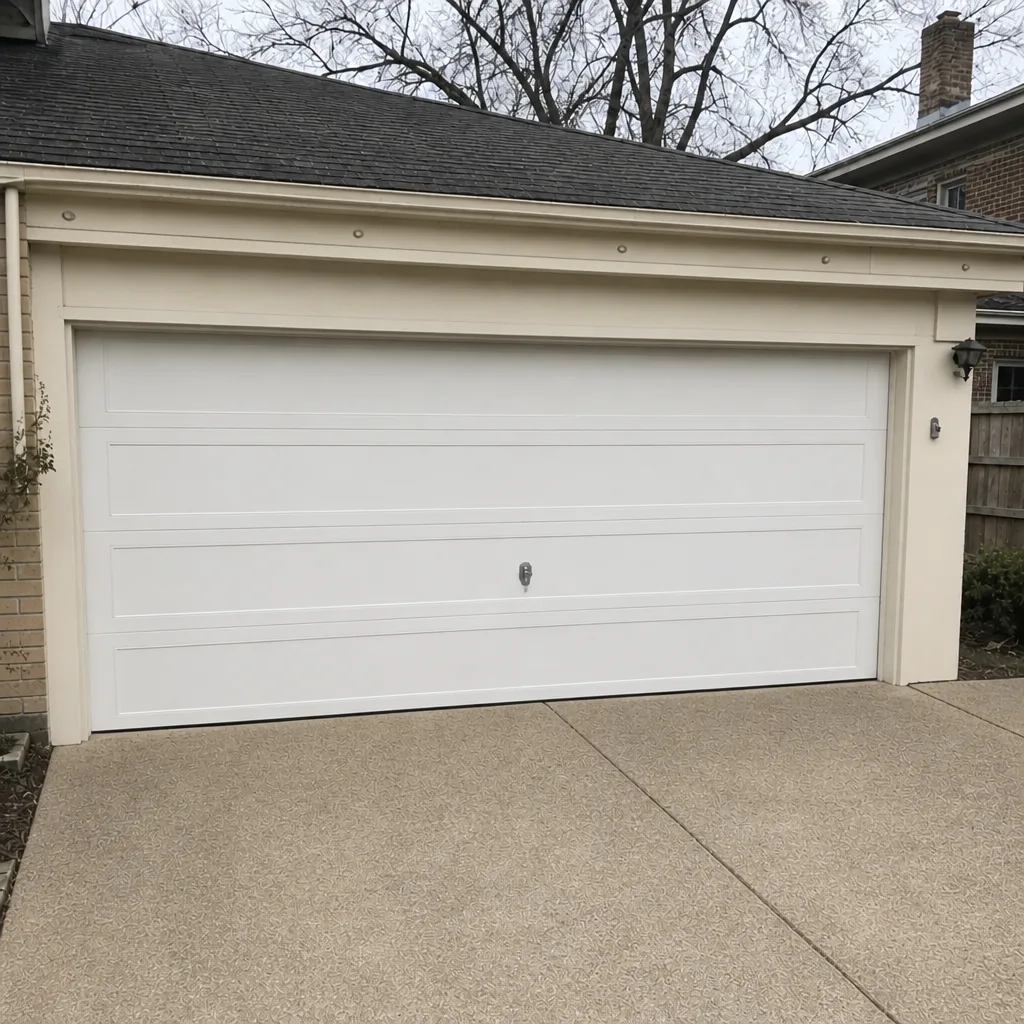 After
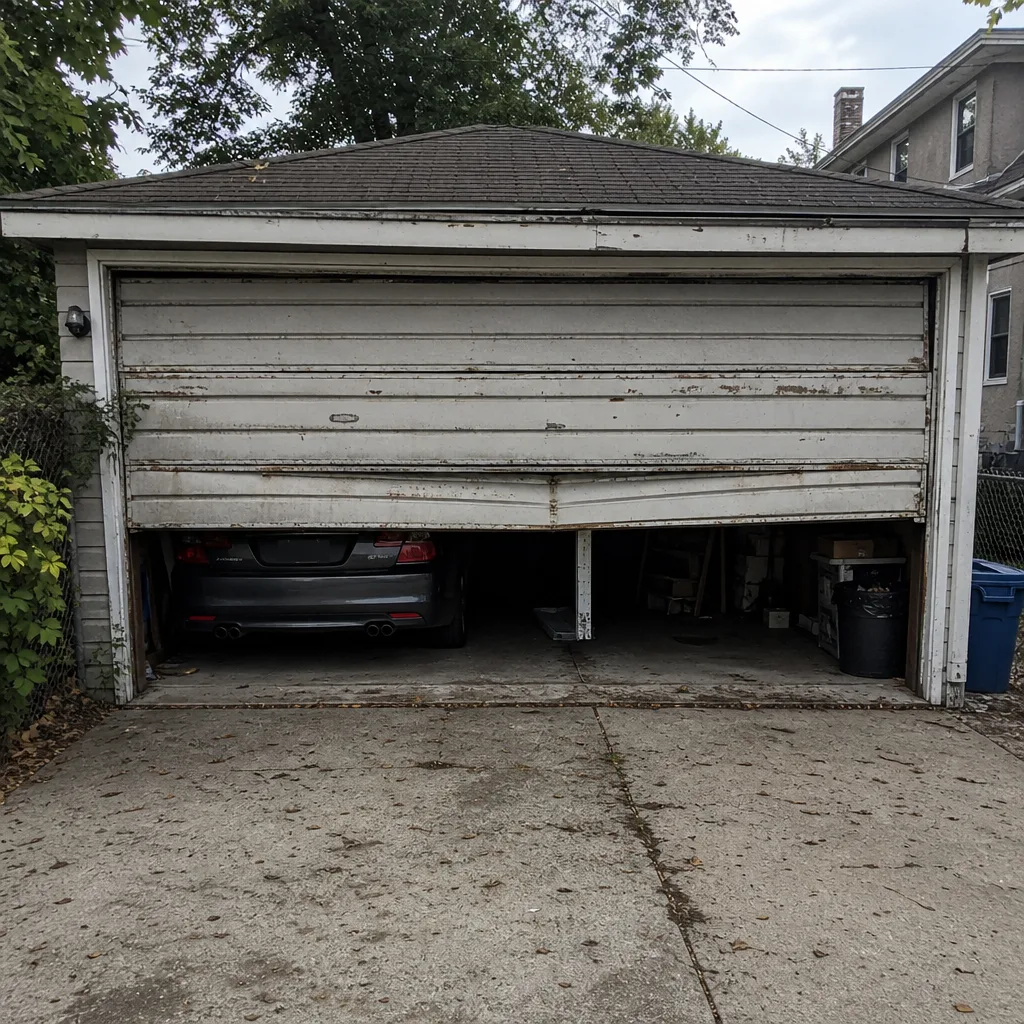 Before
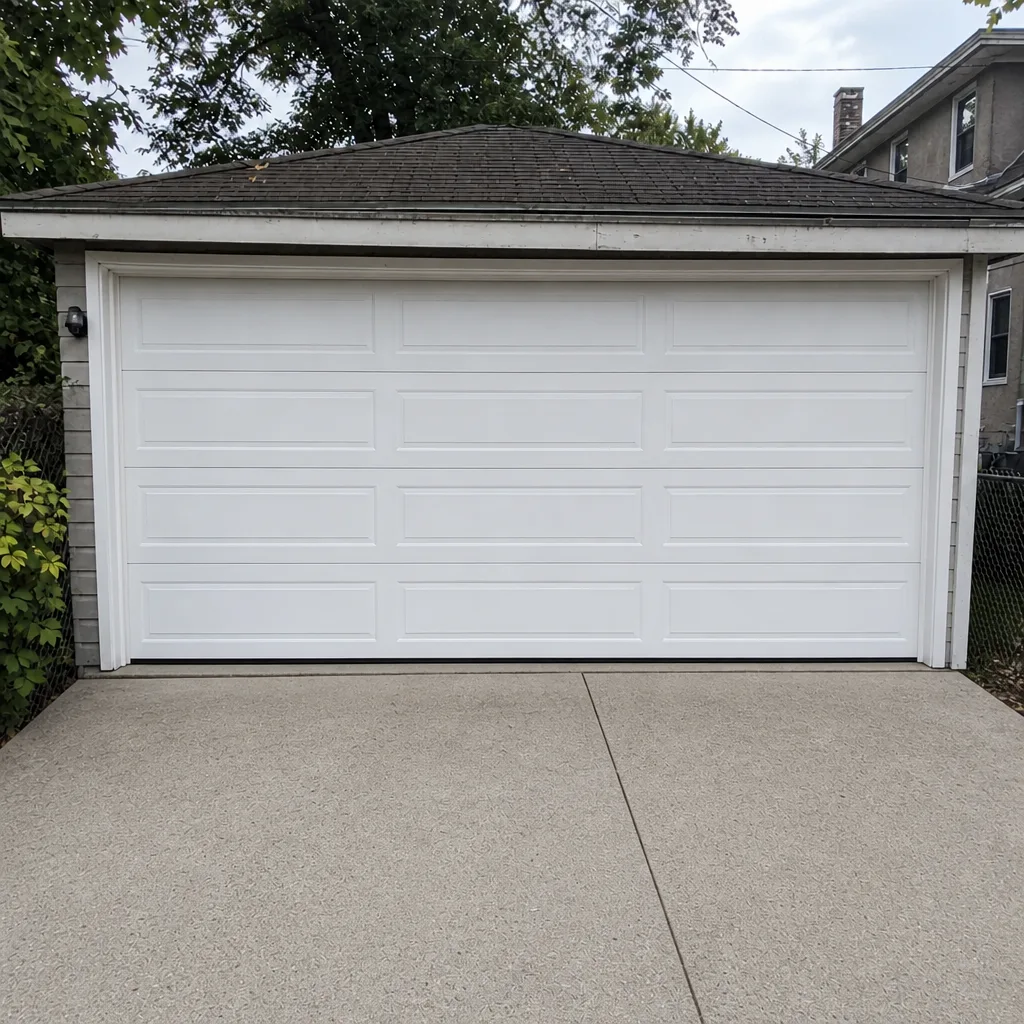 After
When to Call a Professional
Call us when a spring breaks, when the door won’t move, or when you hear the kind of bang that means something let go. Call when an opener hums but the door doesn’t move, when the door reverses partway, or when a panel is bent and the door won’t close flush. Call before you order a replacement door if your garage is pre-1960 or faces an alley, because the measure is what protects the order. And call before you decide a door is damaged beyond replacement, because a professional look often finds a cheaper repair. Evanston Garage Door Repair Pros offers free estimates in Evanston: call (855) 305-8770. We answer 24/7, with fast dispatch from 7am to 7pm, Sunday through Friday. The price is set per job by the written estimate, and it’s agreed before any work starts.
Frequently Asked Questions
Most garage door repairs in Evanston fall into a typical range depending on what failed, and we give you a written estimate before any work starts, so the price is set per job and agreed up front. A spring repair, an opener fix, and a panel replacement each carry different labor and part needs. Call (855) 305-8770 for an exact quote; estimates are free.
Yes, we offer same-day service, and we answer the phone 24/7. Fast dispatch runs from 7am to 7pm, Sunday through Friday; a call outside dispatch hours is booked into the next opening. If a spring has snapped or your door is stuck, don’t force it. Call (855) 305-8770 and we’ll get a technician moving.
No. We quote the job, you agree to it, and that written price is the price before work starts. If we find something extra, we talk to you before touching it. Call (855) 305-8770 for a free estimate and an exact quote.
We connect you with vetted local professionals who are licensed and insured as their state requires. Our technicians have up to 15 years of experience, and we service the eight major brands already common in Evanston garages, including LiftMaster, Chamberlain, Genie, Clopay, Amarr, Wayne Dalton, Craftsman, and Raynor. Call (855) 305-8770 to book a free estimate.
In most cases, yes. We work on the hardware these brands use, so we can diagnose what you have rather than guessing. If your unit is a brand we don’t carry parts for, we’ll tell you honestly. Call (855) 305-8770 to confirm your model.
Sometimes. Many pre-1960 openings are narrower or shorter on headroom than modern specs, so a free measure is the way to know. An alley-facing garage with a low header may also need a side-mounted opener. Call (855) 305-8770 and we’ll measure and quote before you order anything.
The Bottom Line
Evanston’s garages are older, tighter, and closer to the lake than the national average, and that changes the right answer for repair and replacement. Measure before you order, respect the headroom and alley clearance, choose hardware that survives lake moisture, and check the historic overlay before buying a visible door. Springs are a professional job, opener problems are a professional job, and an accurate estimate saves you from a second trip. Evanston Garage Door Repair Pros handles repair, opener repair, spring work, and full installation for the brands already in your garage. Call (855) 305-8770 for a free estimate. We answer 24/7, with fast dispatch from 7am to 7pm, Sunday through Friday.
Written by the team at Evanston Garage Door Repair Pros.