
Last updated November 23, 2026
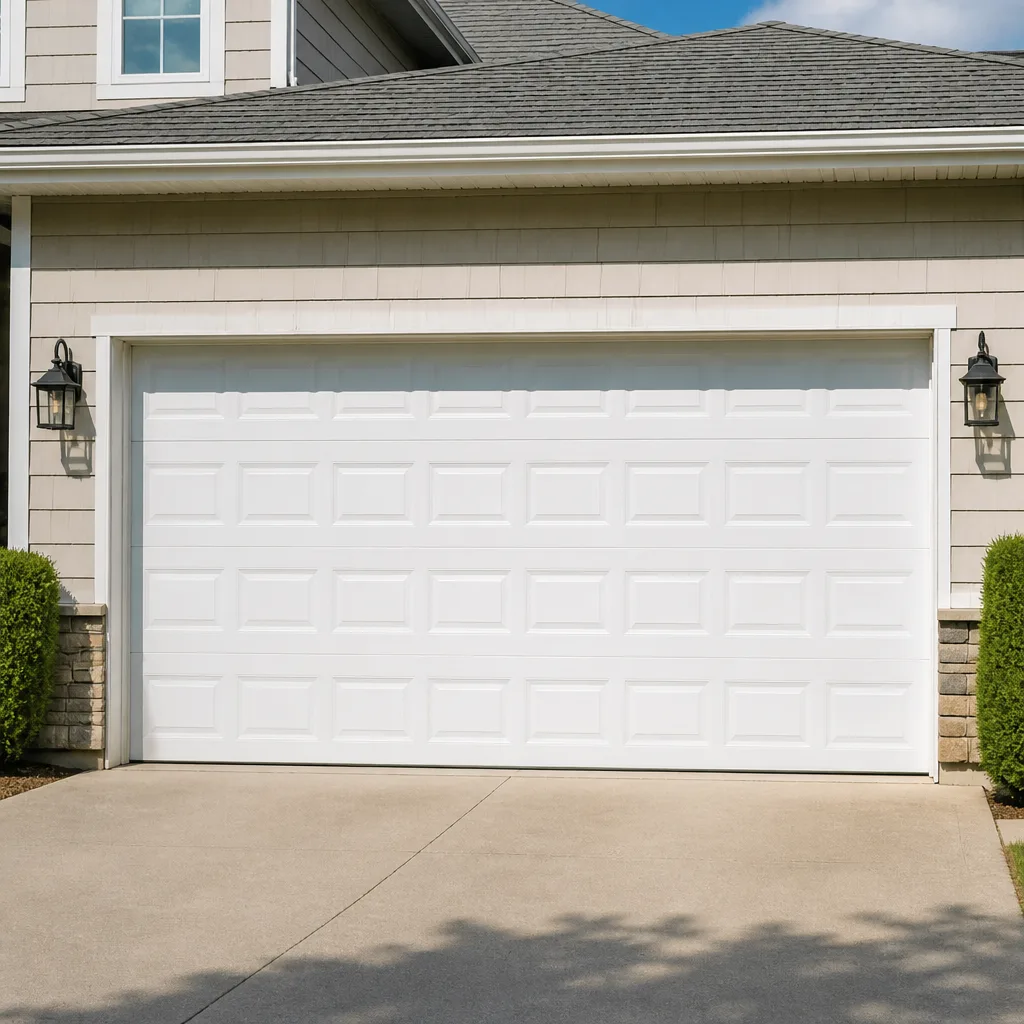 Raised-panel steel
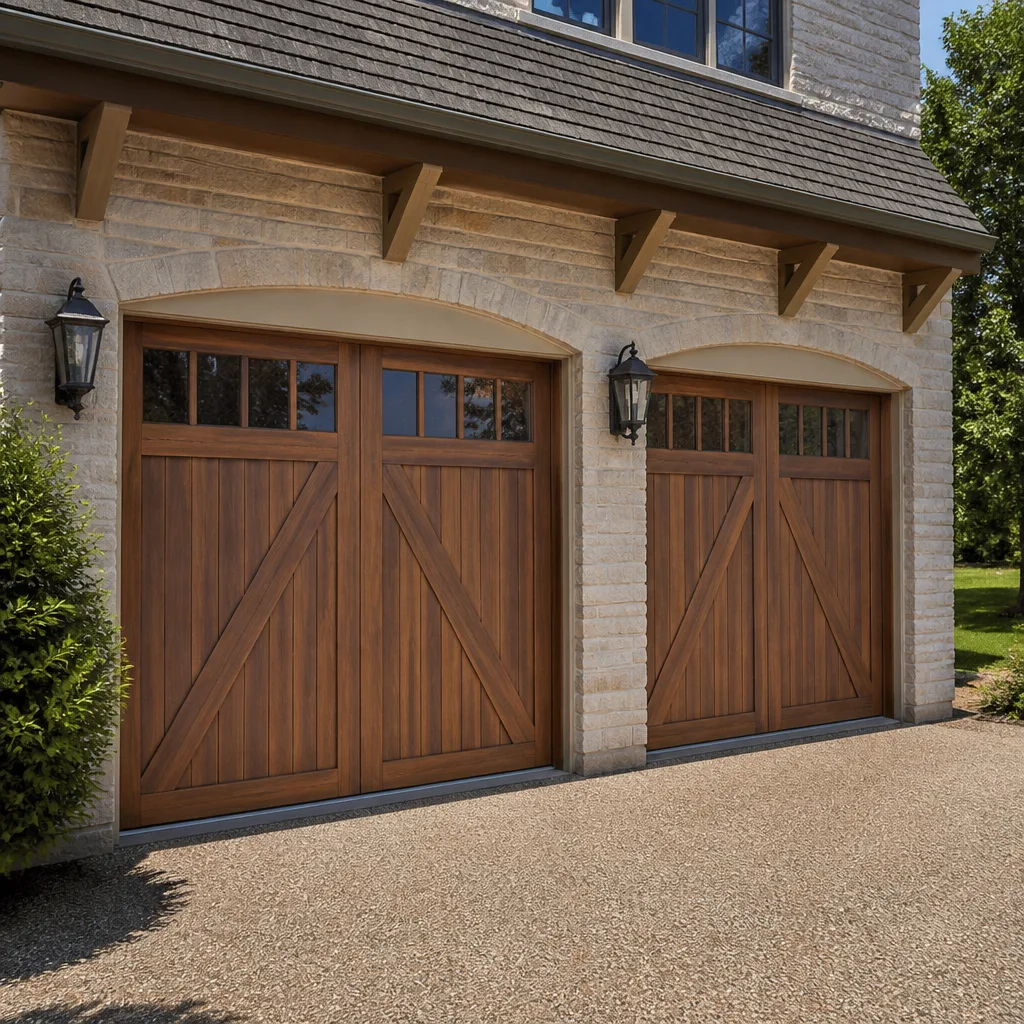 Carriage house
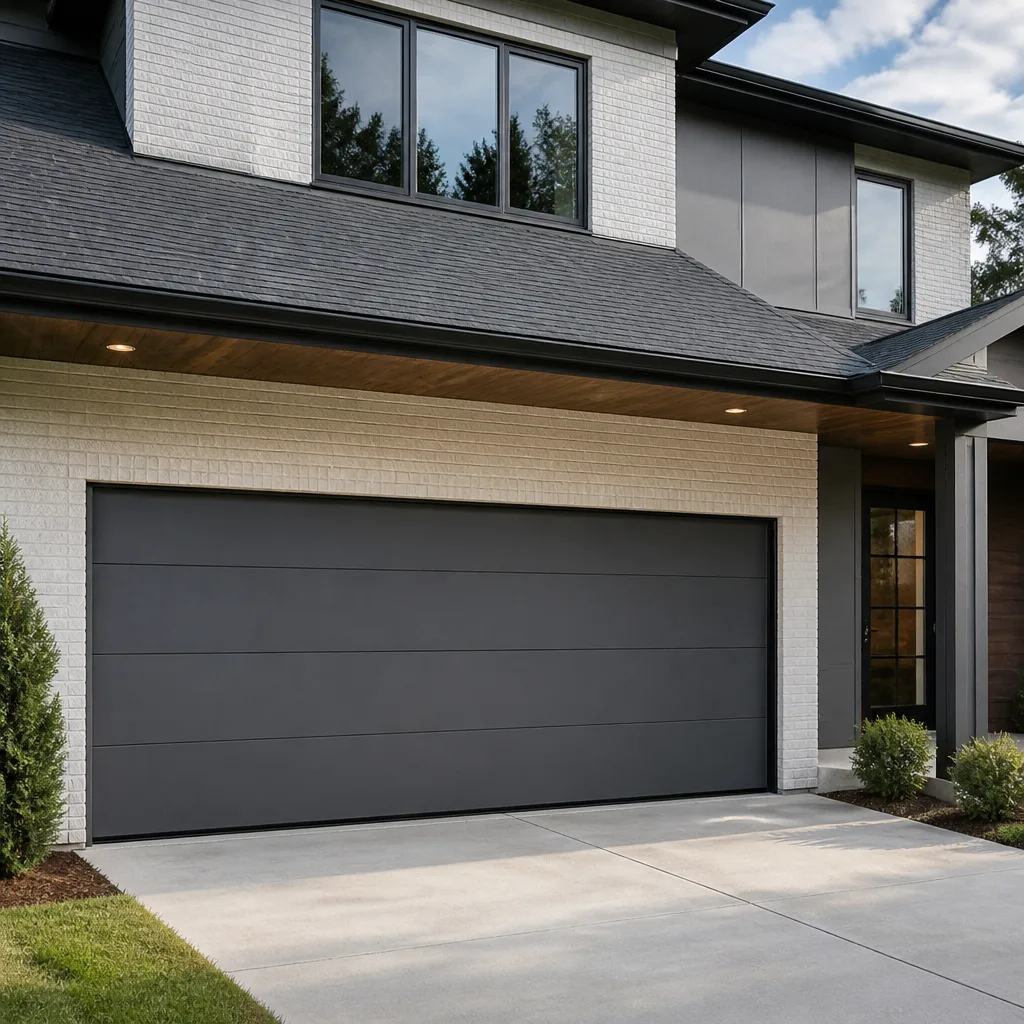 Modern flush
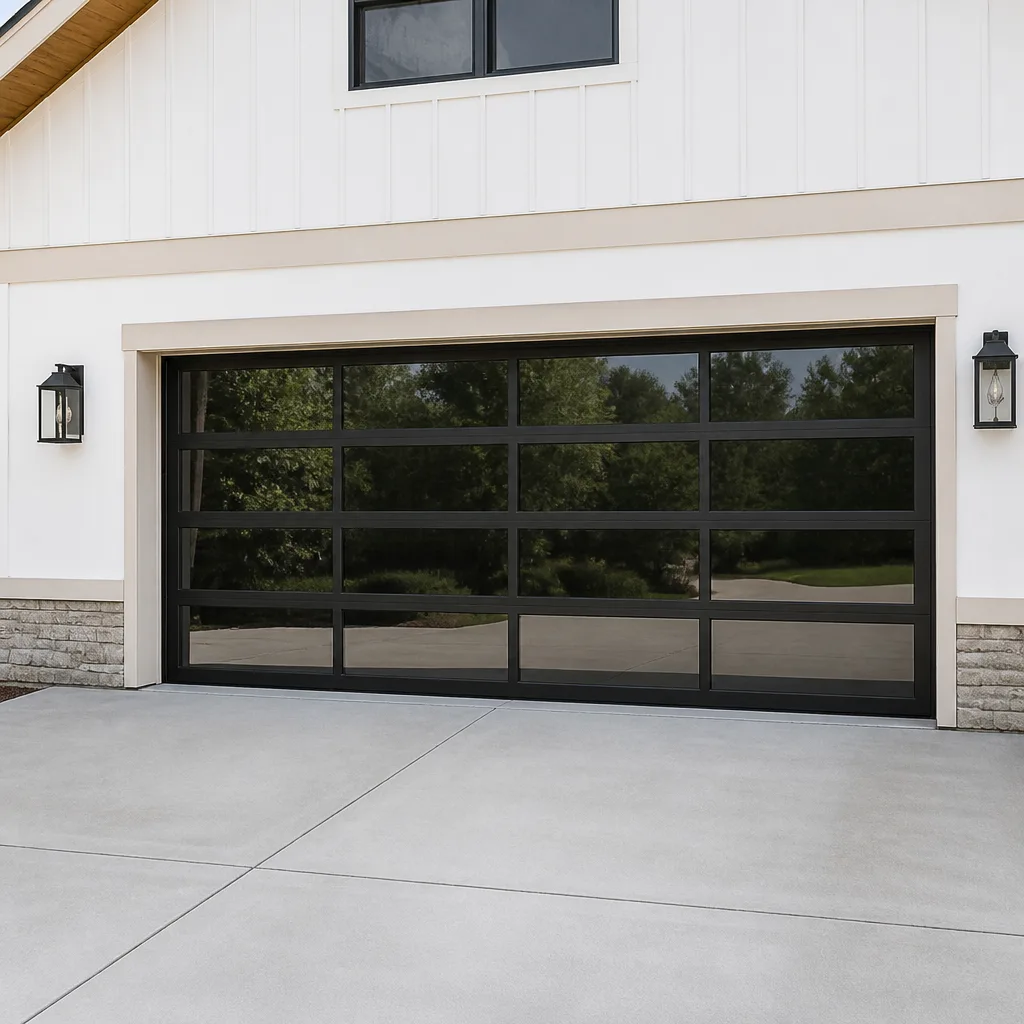 Full-view glass
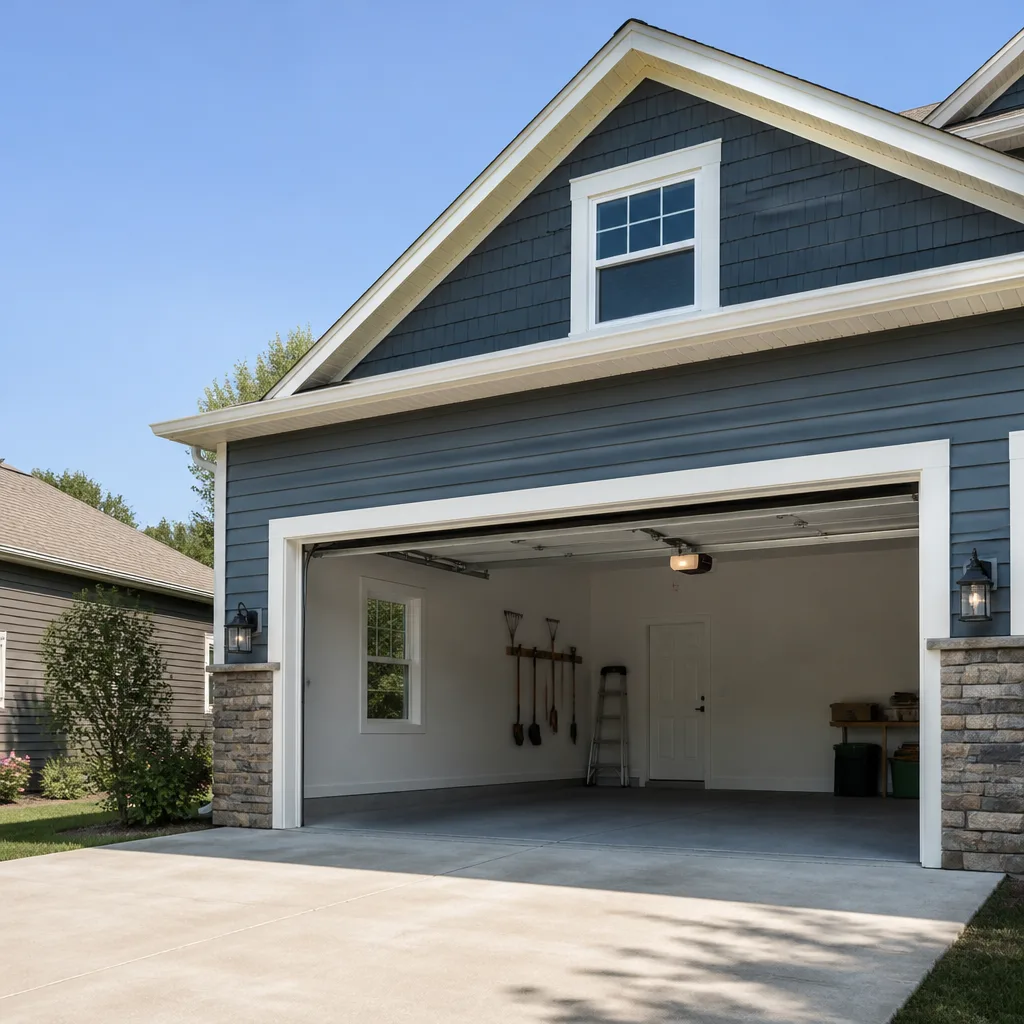 LiftMaster openers
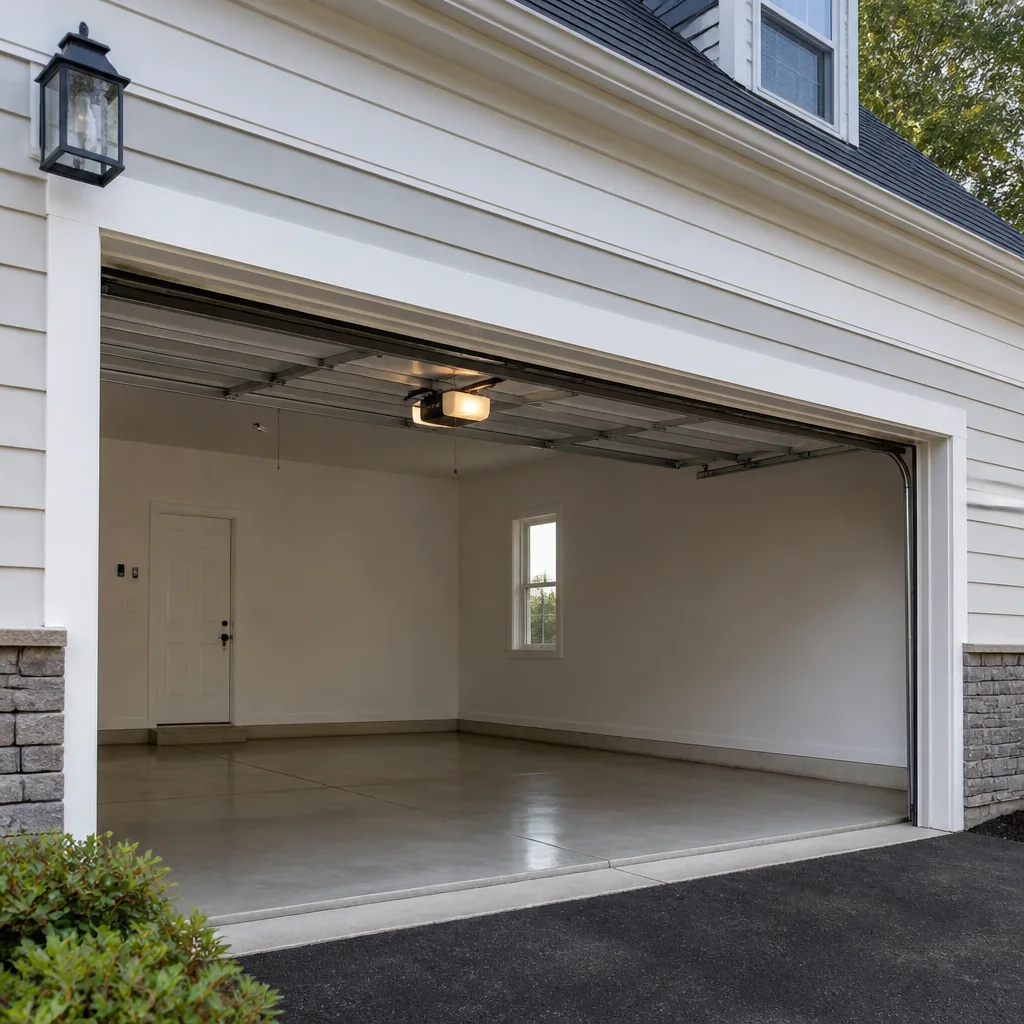 Chamberlain openers
Full 25-point door and opener safety check with every visit - springs, cables, rollers, tracks, and your LiftMaster or Chamberlain opener included
You get a price before we start. It does not change when the pro arrives.
Get your free estimateDIY vs Professional Garage Door: The Evanston Homeowner’s Decision Guide
The hardest question about garage door work isn’t whether you’re handy enough. It’s which specific tasks carry genuine injury risk and which ones are just inconvenient if you get them wrong. That distinction is clearer than most guides admit. A torsion spring can store enough energy to break a wrist or take out an eye. That’s not a scare tactic, it’s physics. Yet swapping a bottom bracket or reconnecting a photo-eye is something a careful homeowner can do safely in an afternoon. This guide draws that line task by task, explains where DIY quietly voids your warranty, and shows what DIY really saves once you count tools and time. If you live in Evanston, the geography and housing stock matter too; older alleys, tight single-car garages, and lake-effect damp all change how a door behaves.
Quick Answer
Most garage door repairs are safe to attempt yourself only if they involve no spring tension and no cable under load. Torsion springs, extension springs, and the cables they pull are professional-only work because a single slip can cause serious injury. Everything else, from track alignment to opener diagnostics to weather seals, is fair game for a careful homeowner. When you’re unsure, get a free estimate and let a trained technician make the call.
Styles & brands we work with
- Raised-panel steel
- Carriage house
- Modern flush
- Full-view glass
- LiftMaster openers
- Chamberlain openers
Table of Contents
- Where the DIY Line Actually Falls
- The Jobs That Are Genuinely Dangerous
- The Jobs That Are Just Fiddly
- How DIY Voids Your Opener and Door Warranty
- When a Permit Rules Out DIY
- How to DIY the Diagnostics and Prep Work
- The Honest Cost Comparison
- What’s Different About a Garage Door in Evanston
Where the DIY Line Actually Falls
The line is about stored energy, not about your confidence. Anything that holds a structure in tension, or that releases that tension when a part fails, belongs to a trained technician. A garage door is a balance machine: springs pull up, gravity pulls down, cables keep both in sync. Break the balance at the wrong moment and the released force goes wherever the nearest hand or face happens to be. In our experience, this is the single fact that separates a safe home repair from a trip to the emergency room.
Here’s the working rule we use: if a task requires you to release, adjust, or replace a component that is under spring or cable tension, stop and call a professional. If a task only involves fasteners, electrical low-voltage wiring, alignment, or cleaning, it’s usually within reach of a homeowner with the right tools.
- Professional only: torsion springs, extension springs, cables under tension, drum and cone assemblies, cable-gripping brackets.
- Homeowner-safe: track bolts and hinges, roller replacement, photo-eye alignment, limit and force adjustments on the opener, weather stripping, bottom seals, decals, and general lubrication.
- Gray area: bottom bracket replacement, bearing plate work, and panel swaps on a door that isn’t counterbalanced properly.
The gray area is where most Evanston homeowners get stuck. A door that’s out of balance is dangerous even for a simple bracket swap, because once you loosen a bottom bracket the tension can shift to a corner you didn’t expect. Get a technician to check balance before you touch anything load-bearing.
The Jobs That Are Genuinely Dangerous
A garage door spring is the most dangerous component in the entire assembly, and it’s not close. A torsion spring sitting above the door holds hundreds of pounds of tension at rest. The moment it’s under load or being adjusted, any slip transfers that energy into tools, cables, or whatever is nearby. Extension springs running alongside the tracks carry the same risk. Cables stretched across either type hold equal tension, and a snapped cable can whip unpredictably.
We strongly advise against any of the following as DIY work:
- Replacing a torsion spring. This requires winding bars, correct wire size, and a controlled release of stored energy.
- Replacing an extension spring. Undoing the safety cable and end fittings is a two-person job with the wrong equipment in a home garage.
- Swapping a cable. The cable holds the door’s weight while the spring holds the tension; both need to be handled together.
- Adjusting spring tension. Even a quarter-turn changes the balance across the entire door and can snap hardware on the next open cycle.
- Removing a bottom bracket or bearing plate while the door is still under load.
We work on quite a few Evanston homes where a homeowner has already tried step one of a spring repair and stopped. The call that follows is usually fast once the door is stable, but the near-misses we hear about are the reason this section exists. For torsion and extension work specifically, a trained technician with the right winding tools is the only sensible option – this is garage door spring repair at its core.
The Jobs That Are Just Fiddly
Plenty of garage door problems are annoying, not dangerous. A door that screeches, a remote that won’t pair, a safety sensor that blinks amber, or a track that’s been knocked slightly out of line by a car bumper – these are all fair game for a homeowner with a socket set and an hour to spare. They don’t involve releasing spring tension, and if something goes wrong you can stop without risk of injury.
Safe DIY tasks include:
- Lubricating rollers, hinges, and tracks with a garage-door-rated lubricant (not cooking spray, not grease).
- Replacing nylon rollers on a door that’s already down and stable.
- Aligning or replacing photo-eye sensors so the safety reverse works again.
- Adjusting the opener’s limit and force dials per the manual for a door that stops too early or reverses for no reason.
- Replacing a bottom weather seal – a low-risk job that makes a real difference to a garage that shares a wall with living space.
- Reprogramming remotes and keypads, including Wi-Fi-connected LiftMaster and Chamberlain units tied to the myQ app.
- Replacing a battery in the opener’s backup or a wall console.
Beyond that, the safe DIY list drops off fast. Once you’re into bearings, panels, or opener boards, the risk-to-reward shifts toward calling a technician. If you’ve reached that point on the opener side, garage door opener repair is where trained diagnosis saves the most time.
How DIY Voids Your Opener and Door Warranty
Manufacturer warranties on garage doors and openers are narrower than most homeowners expect. The door warranty usually covers the sections, hardware, and finish; the opener warranty covers the motor and electronics. Both typically have exclusions for “unauthorized” repairs, incorrect spring tension, and work done without approved parts. A single DIY spring replacement on a door under warranty can void the spring warranty and, in some cases, the door’s structural coverage for anything that fails after the imbalance.
The pattern we see in the field is predictable:
- Opener warranty: adjusting force settings beyond the manufacturer’s range, or splicing wires to a smart module incorrectly, is usually outside coverage.
- Door warranty: wrong spring size, wrong cable gauge, or an untensioned install will often be flagged as “improper installation.”
- Finish warranty: painting over a factory finish can void the surface coverage on some brands.
What makes this worth caring about in Evanston specifically is that the local housing stock skews older. A garage door that was installed a decade or two ago may still be under a long-term finish or hardware warranty, and the paperwork often lives with the title. Before you take a wrench to a warrantied door, find the original install documents and read the exclusions. For a quick warranty check on a specific brand, Raynor, LiftMaster, Chamberlain, and Genie all publish their coverage terms directly.
When a Permit Rules Out DIY
Most cities require a permit for a full door replacement or a structural change to the opening, and that permit usually requires a licensed contractor. That requirement alone functionally eliminates DIY as an option on major jobs, regardless of how skilled the homeowner is. It’s not a commentary on your ability to swing a hammer; it’s about liability, inspection, and accountability if something goes wrong later.
Typical cases where a permit is likely to come up:
- Replacing the entire door and tracks with a different size or weight class.
- Changing the opening – widening or lowering the header.
- Adding an opener to a door that has never had one (electrical and mounting considerations).
- Structural repair to the wall above the opening where the door is anchored.
Minor repair work – a spring replacement, a cable swap, a new set of rollers – usually does not need a permit, but the rules vary by municipality. In Evanston, always ask the city’s building department before assuming a repair is exempt. The answer determines whether DIY is a legitimate option or a technical violation of the local code. Installation handled by a licensed professional also means the inspection documentation comes with the job, which is a quiet benefit if you ever sell the home.
How to DIY the Diagnostics and Prep Work
The most valuable DIY work on a garage door isn’t the repair itself – it’s the diagnosis you do before calling. Clear information on what’s failing and when gets a technician to a fix faster, and often at a lower cost because the inspection phase is shorter. This is the prep work we recommend every Evanston homeowner do before a service call.
- Test the balance. With the door closed, pull the opener’s manual release. Lift the door halfway by hand. If it stays put, the balance is good. If it drops or rises on its own, the springs are the problem.
- Listen for the failure point. A loud bang followed by a door that won’t open usually means a snapped spring. A grinding noise throughout the cycle usually points to rollers or the opener gear.
- Check the safety reverse. Place a 2×4 flat under the door and press the close button. The door should reverse on contact. If it doesn’t, the photo-eye or force setting needs attention.
- Verify the photo-eyes are lit. Both sensors should glow steady, not blink. A blinking amber light usually means misalignment; no light means a wire or sensor.
- Write down the make and model of both the door and the opener. If you can, take a photo of the specs plate on the opener head.
- Note the door style and layout. Single-car vs double-car, torsion vs extension springs, and whether the door has windows.
That information turns a vague service call into a fast one. Brands vary a lot in how their internals are laid out, and knowing whether you’re dealing with a LiftMaster or a Genie means the technician walks in with the right parts on hand. If you want an overview of what we handle, our Evanston Garage Door Repair Pros page lays out the full scope from single roller swaps to full door installation.
The Honest Cost Comparison
The DIY saving on most garage door repairs is smaller than it looks. Tool cost alone – winding bars, proper cables, safety glasses, a good socket set – can run more than the labor on a simple repair. Then add the time, the risk of a callback if the fix doesn’t hold, and the probability that a warranty claim gets denied if anything goes wrong. When you count all of that, the DIY route makes sense on the fiddly jobs and rarely makes sense on anything tension-related.
Here’s how the two routes break down in practice for typical jobs:
- Rollers and hinges: DIY $30-$60 in parts and an hour of your time; professional $180-$320 for a full set. DIY usually wins here.
- Bottom weather seal: DIY $25-$60; professional $150-$280 including wear inspection. DIY wins if the door is otherwise healthy.
- Opener diagnostics and repair: DIY is unlikely unless you already know electronics; professional $150-$450 depending on the part.
- Single torsion spring replacement: DIY cost is not worth quoting – the tools alone are specialized and the injury risk is real. Professional $180-$340 per spring; a matched pair is replaced together and costs roughly twice that.
- Opener replacement (LiftMaster, Chamberlain, Genie): DIY $180-$400 in parts plus wiring and safety setup; professional $450-$900 installed with warranty coverage.
None of these are exact figures, and they move with which brand, model, and door setup you have. The written estimate sets the final price on any professional job, which is why the comparison works better once you have both numbers in front of you. For a straight quote on anything on the list, garage door repair is where the estimate starts.
What’s Different About a Garage Door in Evanston
A garage door here lives a slightly harder life than in most of the country. Evanston’s lake-effect humidity works into seals, hinges, and the interior of older wooden doors for months of the year. Winters swing hard enough that metal tracks contract and springs take a load spike every time the temperature drops into single digits. A spring that would limp along for another year in a dry climate can snap here on the first truly cold morning, which is why we flag balance and spring health to Evanston homeowners heading into late fall.
Housing stock shapes the rest. The neighborhoods closer to the lake – around the Dempster and Main Street corridors, and up through the streets near Northwestern – carry a lot of single-car detached garages, many built decades before openers were standard. Those openings are often tight, which makes track alignment and door panel swaps more delicate than they look. Narrower doors leave less margin for a slightly bent track to bind against the panel, and aftermarket parts that fit a standard double door often don’t fit a fifty-year-old single.
What we see on Evanston calls:
- Frozen or seized rollers after a wet autumn – a lubrication issue that a homeowner can catch early.
- Cracked or warped panels on older wooden doors that drink up lake humidity and never quite dry out.
- Smart opener setups in renovated homes where a LiftMaster or Chamberlain unit ties into a Wi-Fi network the original installer never tested.
- Track knock-outs from alley maneuvering in the tight rear-access garages common across the west side of Evanston.
None of these are unique to Evanston, but the combination of older garages, tight access, and lake weather does mean the average door here needs more attention than one in a newer subdivision. When the writing is on the wall for a full replacement, the same local logic applies: measure, order, and schedule with a written price, not a same-day emergency fix. If you’re weighing a full door replacement against a repair, garage door installation walks through what that looks like end to end.
Common Mistakes to Avoid
- Cutting a spring’s tension with the door still attached to the opener. The opener needs to be disconnected and the door fully closed before any spring contact; otherwise the motor can catch the door mid-release and trap hardware.
- Using the wrong spring size to “make it work.” Springs are matched to door weight and height. An oversized spring adds strain to the opener; an undersized one causes constant limit trips.
- Prying a bent track back into shape by eye. Track alignment is measured in fractions of an inch. Eyeballing a rear access garage in Evanston usually bends the door panel on the next full cycle.
- Ignoring a warranty to save a hundred dollars. On a newer LiftMaster or Chamberlain opener, a single unauthorized repair can void coverage on parts you haven’t touched yet.
- Painting an older wooden door without checking the seal first. Lake-humidity wood traps moisture under fresh paint and warps from the inside on Evanston’s older single-car garages.
- Replacing the opener to fix a door that just needs a spring. Balance problems masquerade as opener failures all the time; diagnose the door before you spend on electronics.
- Letting a small panel crack go through a hard freeze. A hairline in October turns into a full panel split by January in Evanston, and panels are cheaper than doors.
See the difference
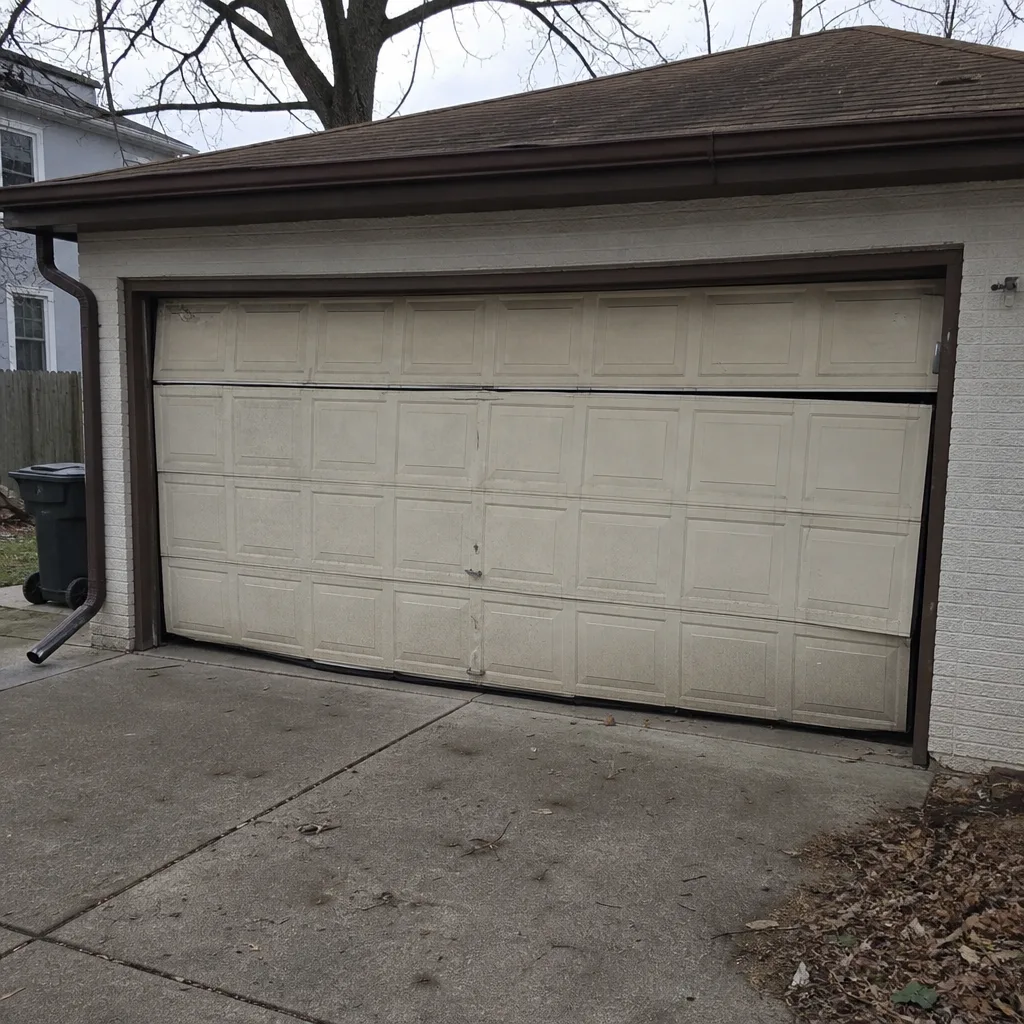 Before
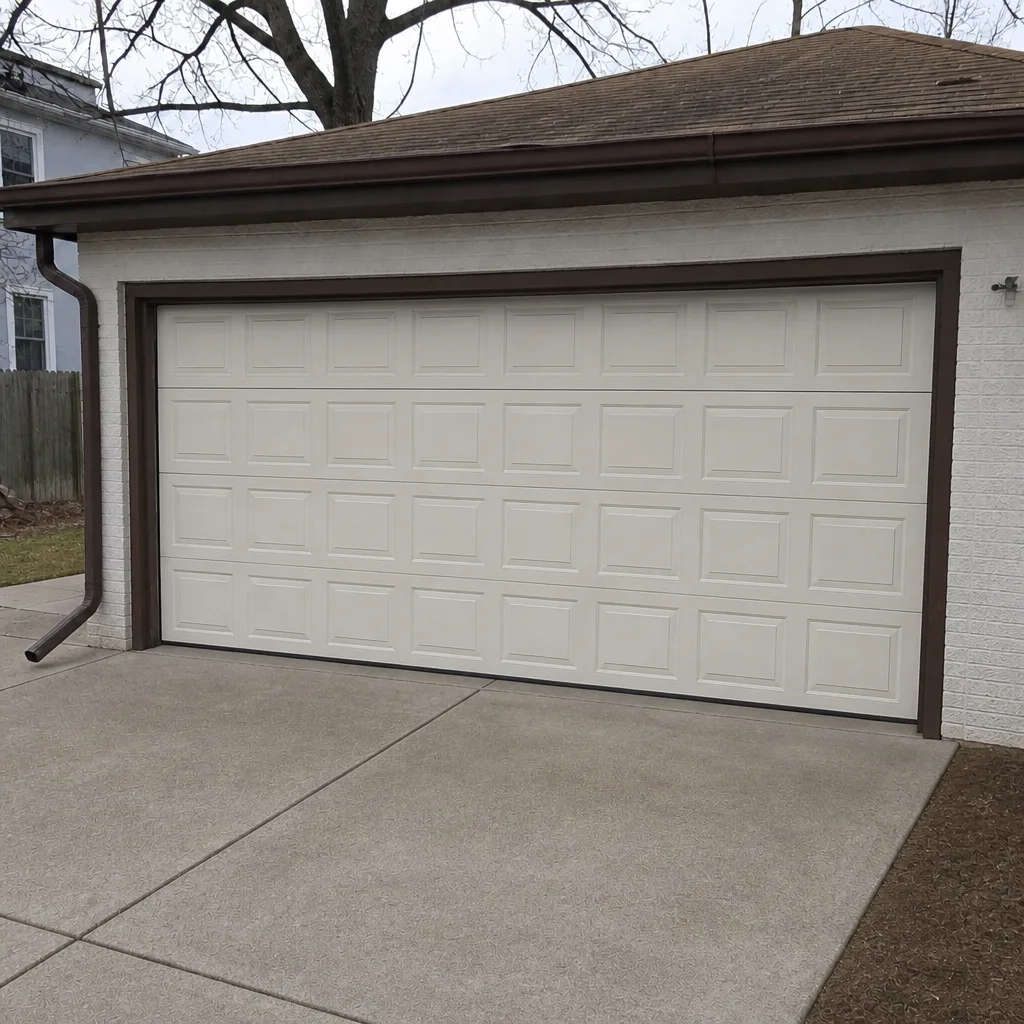 After
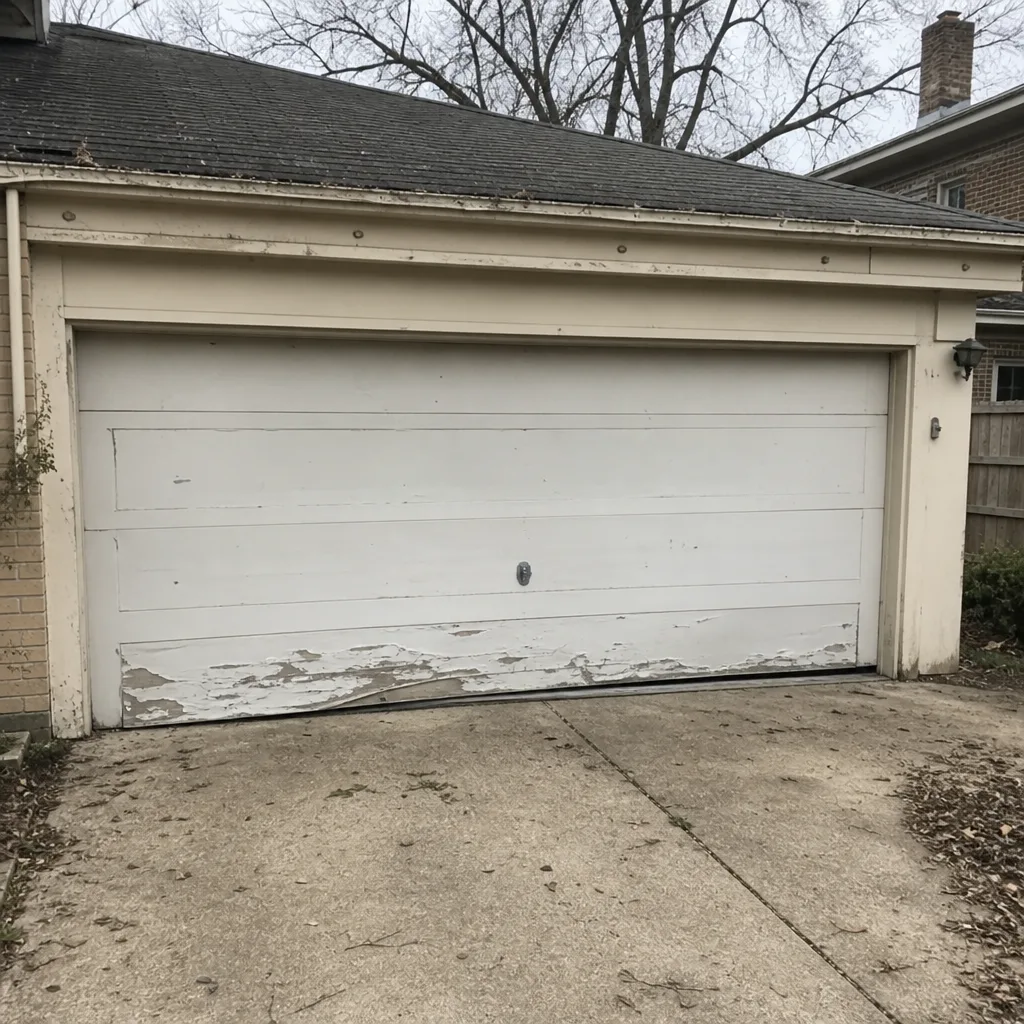 Before
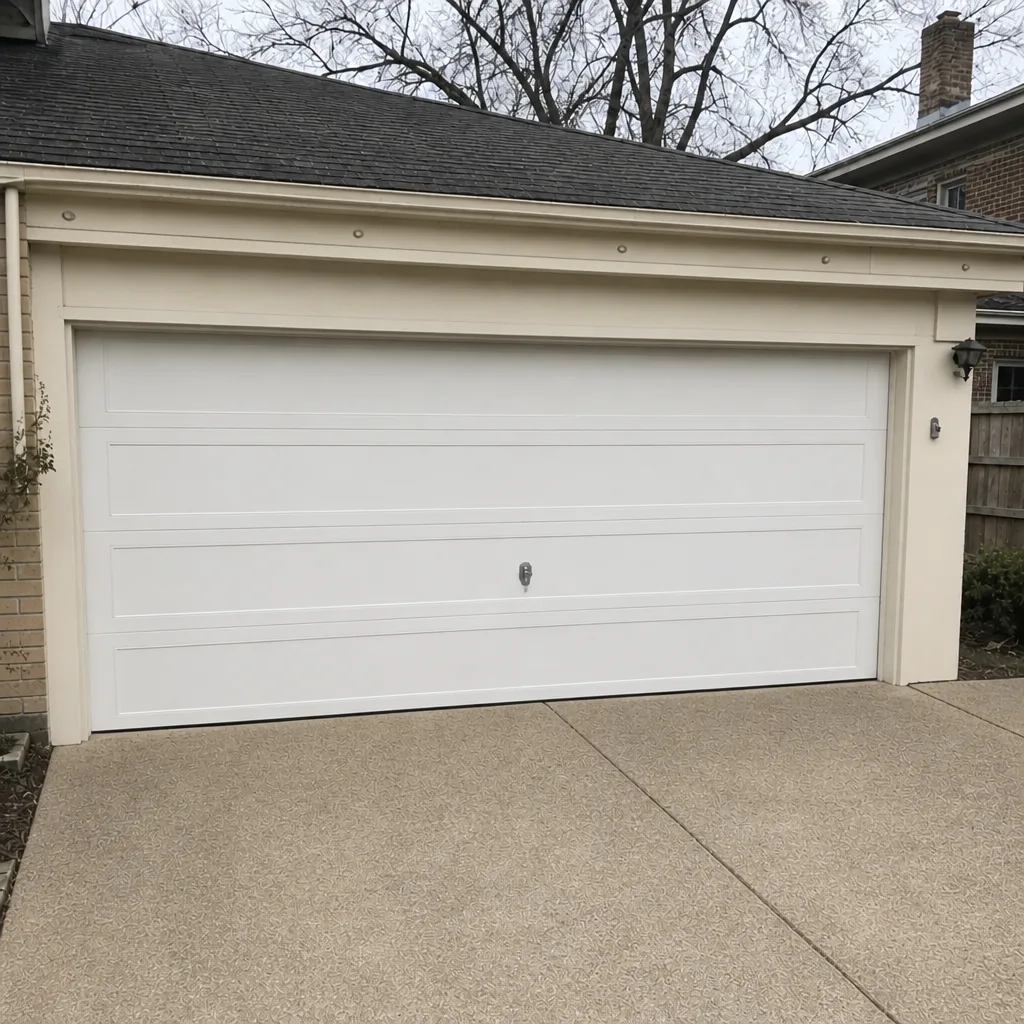 After
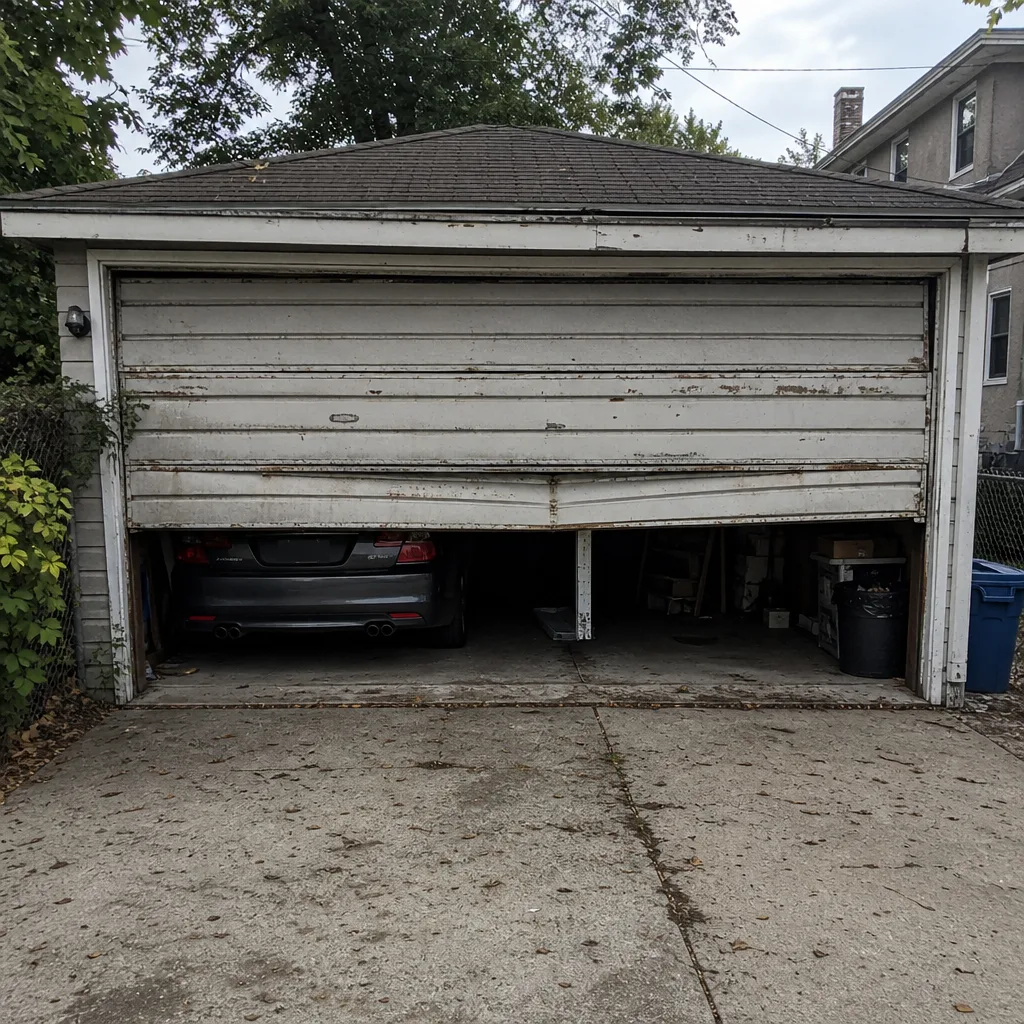 Before
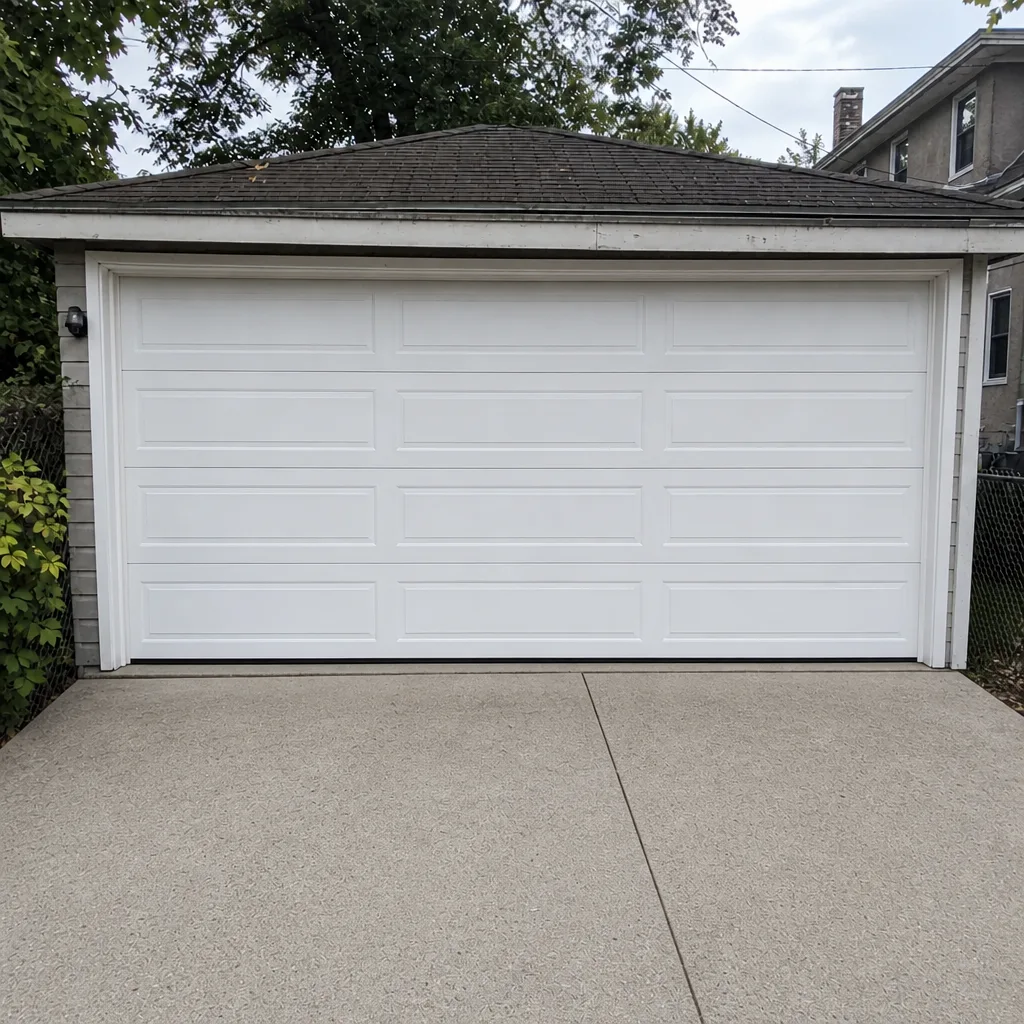 After
When to Call a Professional
Call a professional whenever the job involves springs, cables, bottom brackets under load, or anything you can’t confidently identify. Call immediately when the door is stuck open in a way that leaves the home exposed, when a snapped spring has left the door misaligned on the tracks, or when the opener keeps tripping or reversing without explanation. Those are the situations where a small fix turns into a bigger repair if it’s left a few days. Any work on the electrical side of an opener, or on a panel that mounts to your home’s frame, is better handed off. If the door is under warranty, that too changes the calculus toward a professional.
Evanston Garage Door Repair Pros offers free estimates in Evanston – call (855) 305-8770. We answer 24/7. Fast dispatch from 7am to 7pm, Sunday through Friday. Our technicians have up to 15 years of experience, and we work on the brand already in your garage – LiftMaster, Chamberlain, Genie, Raynor, and more by name, not by guesswork.
Frequently Asked Questions
No. Torsion and extension springs hold hundreds of pounds of stored tension, and releasing that tension incorrectly can cause serious injury. Spring repair is the one job on a garage door that we recommend against DIY in every case, even for a homeowner with strong mechanical skills. Call (855) 305-8770 for a free estimate on spring repair – our technicians handle this with the proper winding tools and training.
Often, yes. Most door and opener warranties exclude unauthorized repairs, incorrect spring tension, and work done with unapproved parts. A DIY spring replacement, opener board swap, or cable change can void coverage on parts beyond the one you touched. Before any DIY work on a warrantied door, read the exclusions in the original paperwork, or ask us to check the coverage when we’re on site.
If the problem involves springs, cables, or door balance, call a professional. If it’s a noise, a remote that won’t pair, a misaligned photo-eye, or a worn weather seal, a careful homeowner can usually handle it. When you’re not sure, do the balance test with the door disconnected: if it drops or rises on its own, the springs are involved and it’s a professional job.
Most cities require a permit for a full door replacement or any structural change to the opening, and a permit usually requires a licensed contractor. Ask the city of Evanston’s building department for the exact rules on your address before booking a replacement. Spring, cable, and roller repairs typically do not need a permit, but the rule depends on your municipality.
For a single torsion spring, expect a typical range of $180 to $340; a matched pair is replaced together and runs roughly twice that. Rollers and hinges land around $180-$320, bottom seals $150-$280, and opener diagnostics between $150-$450 depending on the part. Every job is quoted in writing before work starts, and the written estimate sets the final price. Call (855) 305-8770 for a free estimate on your specific door.
Yes, for repair calls. Same-day service is available for most repair scenarios, and when your door is stuck open or a spring has snapped and left the home exposed, speed matters. Call (855) 305-8770. We answer 24/7. Fast dispatch from 7am to 7pm, Sunday through Friday. A call outside dispatch hours is booked into the next opening.
The Bottom Line
The DIY-versus-pro question for garage doors comes down to which jobs carry real injury risk and which ones just take patience. Springs, cables, and anything under tension should go to a trained technician, full stop. Rollers, seals, sensors, opener programming, and track bolts are safe for a careful homeowner with the right tools. Weigh the true cost of DIY against a written estimate before deciding, and remember that on a warrantied or permitted job the DIY route is often closed anyway. When the work crosses the line, the fastest path is a free estimate and a fixed written price.
Call (855) 305-8770 for a free estimate. We answer 24/7. Fast dispatch from 7am to 7pm, Sunday through Friday. We’ll tell you exactly what the job involves, quote it in writing before any work starts, and get your Evanston garage door working again.
Written by the team at Evanston Garage Door Repair Pros.