
Last updated November 23, 2026
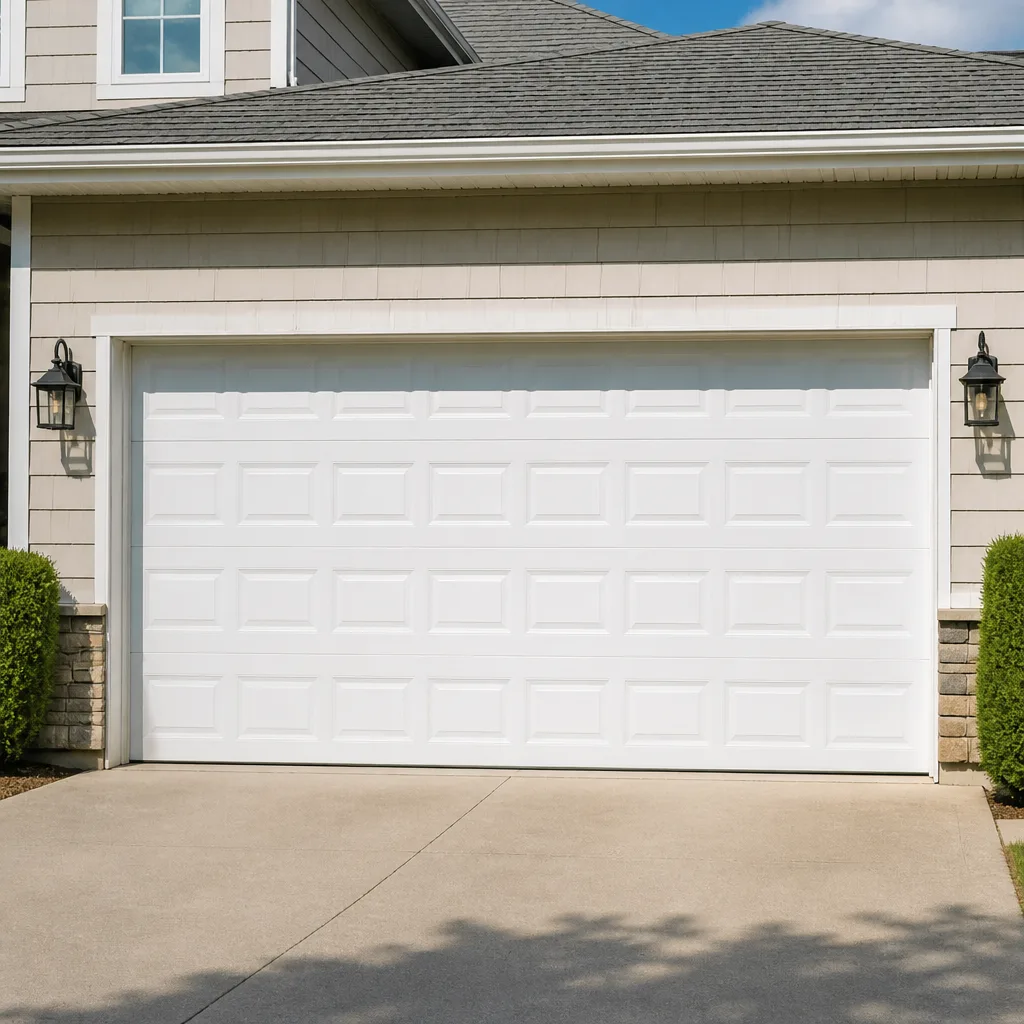 Raised-panel steel
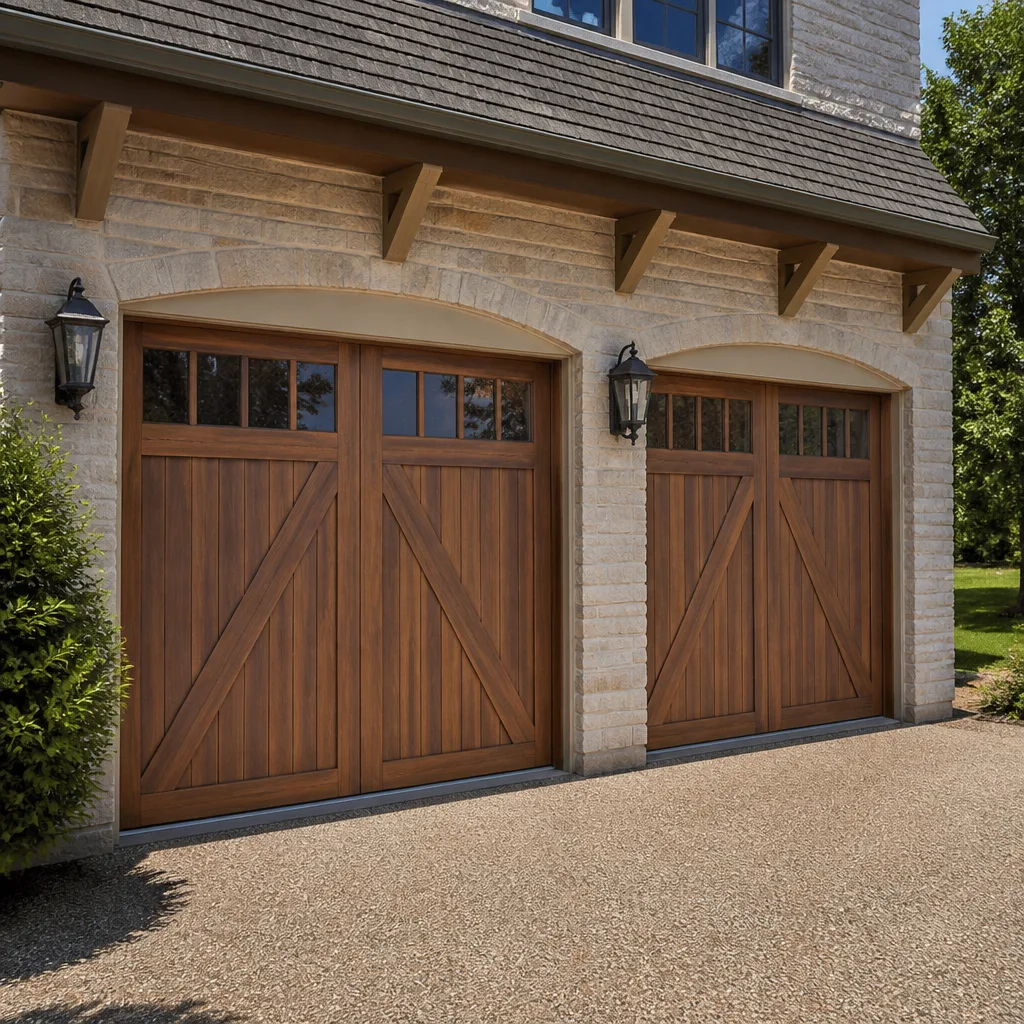 Carriage house
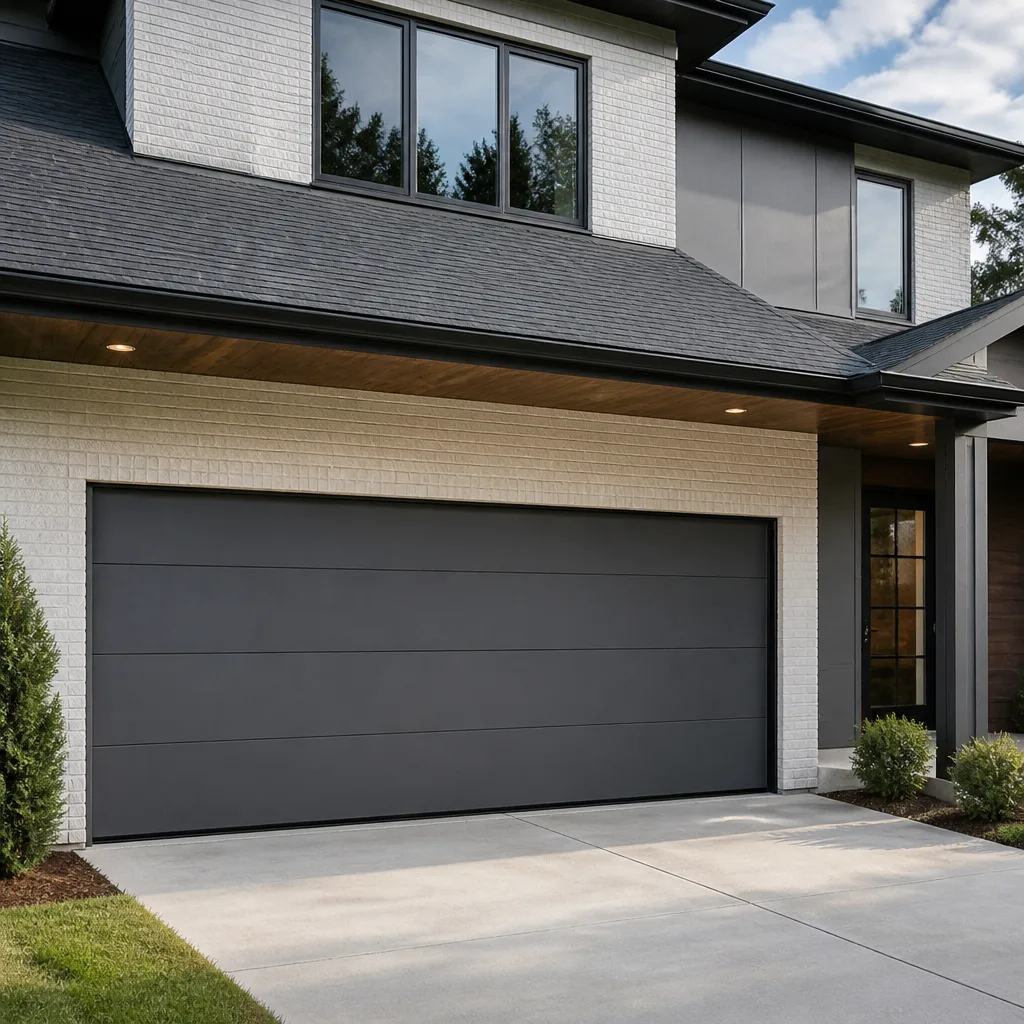 Modern flush
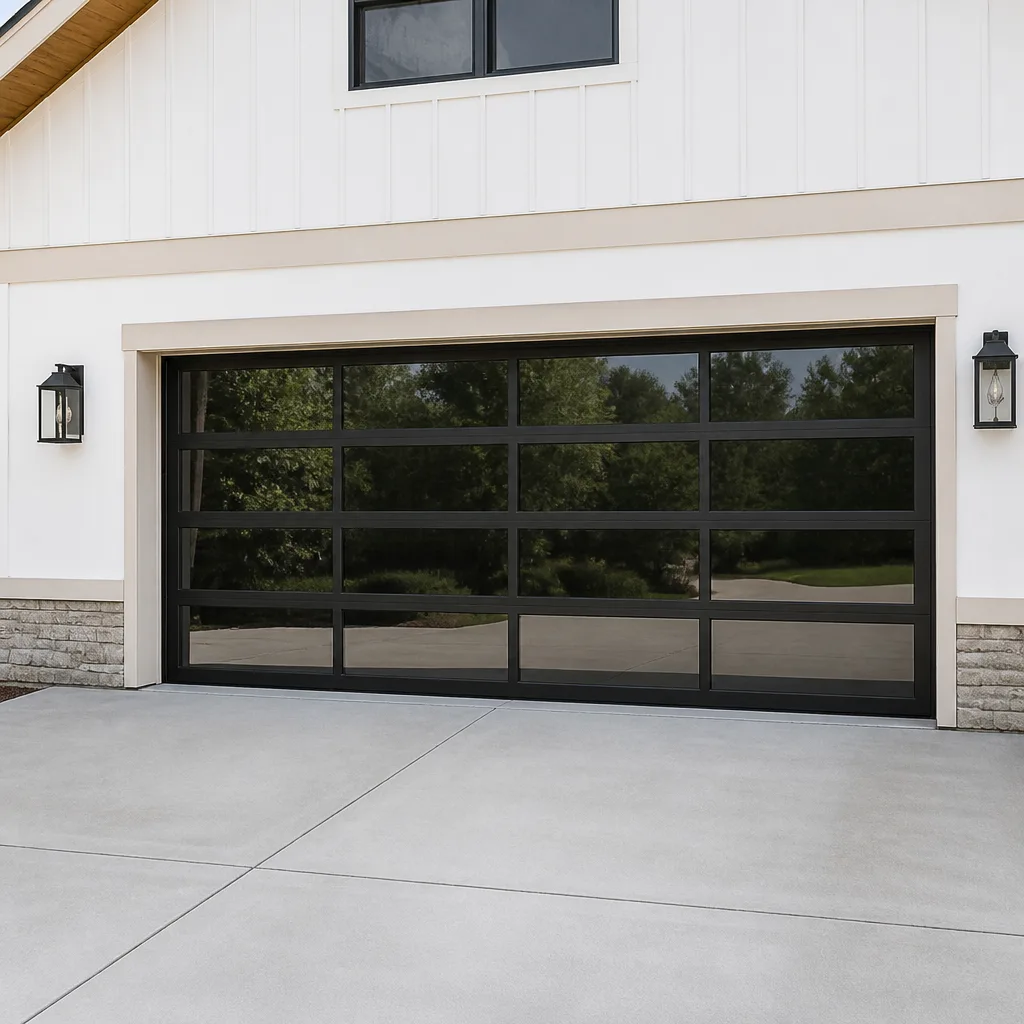 Full-view glass
 LiftMaster openers
 Chamberlain openers
Full 25-point door and opener safety check with every visit - springs, cables, rollers, tracks, and your LiftMaster or Chamberlain opener included
You get a price before we start. It does not change when the pro arrives.
Get your free estimateGarage Door Emergency Preparedness Guide for Evanston Homes
Most garage door emergencies don’t start with the door. They start with the homeowner standing in a cold garage, phone in one hand, pulling on a release cord that doesn’t do what they expected. The spring snapped, the door is stuck half-open, the car is inside, and the temperature is dropping. The failure itself is usually a 30-second event. The two hours that follow are where the real damage happens: a door forced by hand, a cable that whips loose, a house left open to the weather overnight. This guide is about those two hours. You’ll learn how each major opener brand releases manually, how to secure a door that won’t close, what to do in the first minutes after a vehicle impact, exactly what to tell a dispatcher so the right technician arrives, and what belongs in a garage emergency kit you’ll actually use. It’s written for Evanston homes and Evanston winters.
Quick Answer
A garage door emergency in Evanston usually means one of four things: a broken spring, a snapped cable, an opener that won’t respond, or a door that won’t close and leaves the house exposed. For all four, the first move is the same: stop operating the door, don’t force it, and call for trained help. Springs and cables store serious tension and are not a DIY repair. Call (855) 305-8770. We answer 24/7, and fast dispatch runs from 7am to 7pm, Sunday through Friday.
Styles & brands we work with
- Raised-panel steel
- Carriage house
- Modern flush
- Full-view glass
- LiftMaster openers
- Chamberlain openers
Table of Contents
- How Do You Open a Garage Door by Hand When the Power Is Out?
- What Do You Do When the Door Won’t Close and the House Is Exposed?
- What Should You Do Right After a Vehicle Hits the Garage Door?
- Manual Release by Opener Brand: LiftMaster, Chamberlain, Genie, and More
- How Do You Reach Evanston Emergency Repair at Night, and What Should You Say?
- What Belongs in an Evanston Garage Emergency Kit?
- Why Do So Many Evanston Garage Door Failures Happen in January?
- When to Call a Professional
How Do You Open a Garage Door by Hand When the Power Is Out?
You pull the manual release cord, disconnecting the opener carriage from the door, then lift the door by hand. On a healthy door this works in seconds. On a door with a broken spring, it doesn’t work at all, and pulling harder is how people get hurt.
Here’s the protocol, in order:
- Confirm the door is fully closed before you pull anything. Releasing a door that’s partway up can drop it. If the door is open and the opener has failed, hold the door or have someone steady it before you release the carriage.
- Find the release cord. It hangs from the trolley on the opener rail, usually a red handle on a short rope. On most LiftMaster and Chamberlain units it’s a red T-handle; on Genie and Craftsman openers it’s often a red or black handle on a cord.
- Pull straight down, firmly, once. You should feel the carriage disengage. If it won’t release, don’t yank. Some older Wayne Dalton and Raynor trolleys have a lever you flip rather than a cord you pull.
- Lift the door slowly with both hands, from the bottom panel, keeping your body clear of the door’s path. A balanced door with working springs should lift with maybe 10 to 15 pounds of effort. If it feels like you’re deadlifting, the springs are gone. Stop.
- Prop the door fully open before you move the car. Use a clamp, a C-clamp on the track above a roller, or a sturdy prop. Never leave a manual-mode door partway up with a car underneath.
- Re-engage the carriage when power returns. Run the opener once and the trolley should reconnect on its own; if not, pull the release again and cycle the opener until it catches.
If your car is trapped inside and the door won’t lift by hand because a spring has failed, that’s the moment to stop and call. A technician can get the door open safely. Forcing it can bend panels, pop the cable off its drum, and turn a spring repair into a full door replacement. Our garage door repair team handles this exact situation regularly in Evanston, and we’d rather talk you through it on the phone than have you learn the hard way.
What Do You Do When the Door Won’t Close and the House Is Exposed?
First, get the door down by hand if it will go down, then secure it so it can’t be lifted from outside. A door stuck open is a security problem within minutes and a frozen-pipe problem by morning.
Work through this in order:
- Disconnect the opener using the manual release so the opener doesn’t fight you.
- Lower the door by hand, slowly, and let it rest fully closed. If one spring is broken but the other is intact, the door may come down with resistance. Keep your hands on the bottom section and your feet clear.
- Lock it down. Most doors have manual locking bars that slide into the track from inside. If yours doesn’t, a C-clamp clamped onto the track just above a roller on each side will keep the door from being raised.
- Don’t jam a screwdriver or board under the bottom panel. It bends the bottom section seal and the panel itself, and a bent bottom panel often can’t be repaired, only replaced.
- If the door won’t come down at all because a cable has snapped and jammed the track, don’t force it. Secure the opening another way: park a vehicle close to the door, or block the interior with something solid, and call for help.
A snapped cable is not a door you can safely improvise around. The cable is under tension from the spring, and a loose cable can whip. The right move is to keep everyone, especially kids and pets, away from the door and call. Our garage door spring repair service exists almost entirely for this scenario. Springs store hundreds of pounds of tension. This is not a DIY repair, and any video that suggests otherwise is showing you how people end up in the emergency room.
What Should You Do Right After a Vehicle Hits the Garage Door?
Stop the car, set the parking brake, and don’t touch the door until you’ve checked three things: the door’s position, the tracks, and the ceiling attachment. Vehicle impact is one of the few garage door emergencies where the visible damage is rarely the whole story.
Do these checks before you think about repair:
- Look at the door’s square. Is it still parallel to the opening, or is one corner pushed in? A door that’s out of square can drop suddenly when the opener next runs.
- Check the vertical tracks where they meet the wall. Impact often pulls the track brackets loose from the framing. If a track is bowed or separated, the door is not safe to operate.
- Look up at the springs and the ceiling. A hard hit can dislodge a spring, a center bearing plate, or the opener’s rail attachment. Anything hanging loose overhead means keep clear.
- Don’t run the opener to “test” it. This is the most common way a repairable door becomes a total loss, and it’s how people get hurt by a door that comes off its track.
- Photograph everything for your insurer before anything is moved, and note the door’s brand if you can see it. Knowing whether you have a Clopay, an Amarr, or a Wayne Dalton door helps the technician bring the right panels and hardware on the first visit.
After that, call. A door that’s been hit needs a technician to check the torsion system, the track alignment, and the opener’s mounting before anyone operates it again. We work on the brand already in your garage, and we’ll tell you honestly whether the door is repairable or needs replacement. From opener diagnostics to full door replacement, one call covers it all.
Manual Release by Opener Brand: LiftMaster, Chamberlain, Genie, and More
Every major opener uses the same basic principle, a trolley that disengages from the door arm, but the release mechanism varies enough by brand that knowing yours matters at 11 PM. Here’s what we look for on the brands we service most.
- LiftMaster and Chamberlain: A red T-handle on a cord hanging from the trolley. Pull straight down and it releases. On newer myQ-connected models, the handle is still manual. The app will tell you the door is offline, but the release is physical.
- Genie: Usually a cord with a red or black handle. Some Genie models use a lever-style release on the carriage instead of a cord. Look for a small arm on top of the trolley.
- Craftsman: Nearly identical to Chamberlain designs since they share the same lineage. Red cord handle, pull down. On older chain-drive Craftsman units, the trolley can be stiff. One firm pull, not a series of tugs.
- Wayne Dalton: Varies by opener generation. Some use a cord, some use a flip lever on the trolley. If you don’t see a cord, look for a small metal arm on top of the carriage.
- Raynor: Generally a cord-and-handle release. On some Raynor operators the release is shorter and tucked closer to the rail, so you may need to reach further than you’d expect.
If you can’t find the release on your opener, look at the owner’s manual, or take a photo of the opener head and text it to us. We know LiftMaster, Chamberlain, Genie, Clopay, and more by name, not by guesswork, and we can tell you what to pull over the phone. If the opener itself has failed, not just lost power, our garage door opener repair team can diagnose it. We service both legacy and modern Wi-Fi-connected systems, including LiftMaster and Chamberlain myQ units.
How Do You Reach Evanston Emergency Repair at Night, and What Should You Say?
Call (855) 305-8770. We answer 24/7, and fast dispatch runs from 7am to 7pm, Sunday through Friday. A call outside dispatch hours gets booked into the next opening.
When you call, have these details ready. The more you give the dispatcher upfront, the faster the right technician gets to you:
- The door’s current position: fully closed, fully open, halfway, or off the track.
- What failed first: did you hear a bang from the springs, did the opener stop, did the door come down hard, or did something hit it?
- The opener brand and model if you can see it on the head unit. LiftMaster, Chamberlain, Genie, and Craftsman cover most of what we see in Evanston homes.
- The door brand if visible: Clopay, Amarr, Wayne Dalton, and Raynor doors are common here, and knowing the brand helps us anticipate the hardware.
- Whether a car is trapped inside. This changes the priority order.
- Whether the garage is attached and the house is currently open to the outside.
- Your address and the closest cross street. Evanston’s street grid is easy to navigate, but knowing whether you’re off Central Street, near Dempster, or down by Main helps with routing.
Be direct about the severity. If your car is trapped and the door won’t budge, say so first. If the door is closed and secure and the opener just won’t respond, say that. Either way, you’ll get an honest answer about timing, and if it can wait for the next dispatch window, we’ll tell you.
What Belongs in an Evanston Garage Emergency Kit?
A small kit on a shelf near the garage door covers 90% of what you’ll actually need during a garage door failure. It takes thirty minutes to assemble and you’ll be glad it’s there.
- A pair of sturdy leather gloves. Springs, cables, and bent tracks cut hands. Gloves let you lower or secure a door without shredding your palms.
- A flashlight with fresh batteries, plus a headlamp. Garage lighting is often on the same circuit as the opener, so a power outage means a dark garage.
- Two medium C-clamps. Clamp them on the vertical track above the bottom roller on each side to lock the door in place when the opener won’t.
- A short length of 2×4. Used as a prop under a partially open door when you need both hands, not jammed into the bottom seal.
- The opener’s owner’s manual, or a photo of the model plate on the head unit. This is the single most useful thing you can have when you’re on the phone with a dispatcher.
- Your garage door company’s number, written down and taped inside the garage door jamb. Not just saved in your phone. When the phone is dead or you’re handing it to a family member, paper works.
- A tube of silicone lubricant for routine maintenance of hinges, rollers, and tracks. It prevents a lot of the failures you’d otherwise be calling about.
- A weather-sealed door bottom seal in reserve if your door is older. A failed seal lets in cold air and, in Evanston winters, moisture that freezes the door to the floor.
Our technicians have up to 15 years of experience and they all carry proper tooling for spring work. Your kit is for the first hours, not the repair itself. Springs and cables belong to trained hands.
Why Do So Many Evanston Garage Door Failures Happen in January?
Cold is hard on garage doors. Steel contracts, lubricant thickens, and a torsion spring that’s been holding steady through a mild December is suddenly the part that fails on the coldest night of the year. Evanston’s lake-effect cold snaps hit the door from two directions at once.
Here’s what’s happening mechanically:
- Metal contracts. A torsion spring’s coils tighten and the steel becomes more brittle. That’s why spring failures cluster in the deep cold rather than in summer.
- Lubricant thickens. Cold grease in hinges and rollers makes the door harder to move, which increases strain on the opener and the springs.
- Moisture freezes under the door. A door that sat on wet pavement the night before can freeze to the floor. The opener pulls, the door doesn’t move, and something gives.
- Snow and ice jam the tracks. Especially on north-facing doors, packed snow in the vertical track is enough to knock the door off alignment.
The fix isn’t dramatic. A few minutes of maintenance in the fall prevents a lot of January calls in Evanston. Wipe the tracks clean, apply a silicone-based lubricant to hinges, rollers, and springs, and check that the door closes flat against the weather seal. If your garage sits under a bedroom, you’ll also want to check the opener’s safety reversal before the cold settles in.
When the failure does happen, remember what matters: don’t force the door, don’t try to release a door that’s jammed, and call. When your garage door won’t move, every hour matters, and the right call gets you a trained technician instead of a bigger problem.
Common Mistakes to Avoid
- Pulling the manual release while the door is open and unsupported. The door can slam down. Always confirm the door is closed or held before you pull the cord.
- Forcing a door with a broken spring. This bends panels, tears the bottom section, and pops cables. What was a spring repair becomes a door replacement.
- Running the opener “just to see.” After any impact, spring failure, or cable snap, running the opener is the fastest way to turn a repairable door into a total loss, and to get someone hurt.
- Jamming a screwdriver or board under a door that won’t close. It bends the bottom panel and seal. Use a C-clamp on the track instead.
- Leaving a door stuck open through the night in a cold snap. In Evanston, an open garage in January is a frozen-pipe risk for any plumbing in that wall. Secure the door before you go to bed, even if the repair waits until morning.
- Calling with no information. “My garage door is broken” tells a dispatcher almost nothing. The opener brand, the door’s current position, and whether a car is trapped change the whole call.
- Not knowing the neighbor’s repair story. A neighbor’s quick fix is not a diagnosis of your door. Different brands, different springs, different conditions. Trust the technician who can see your door.
See the difference
 Before
 After
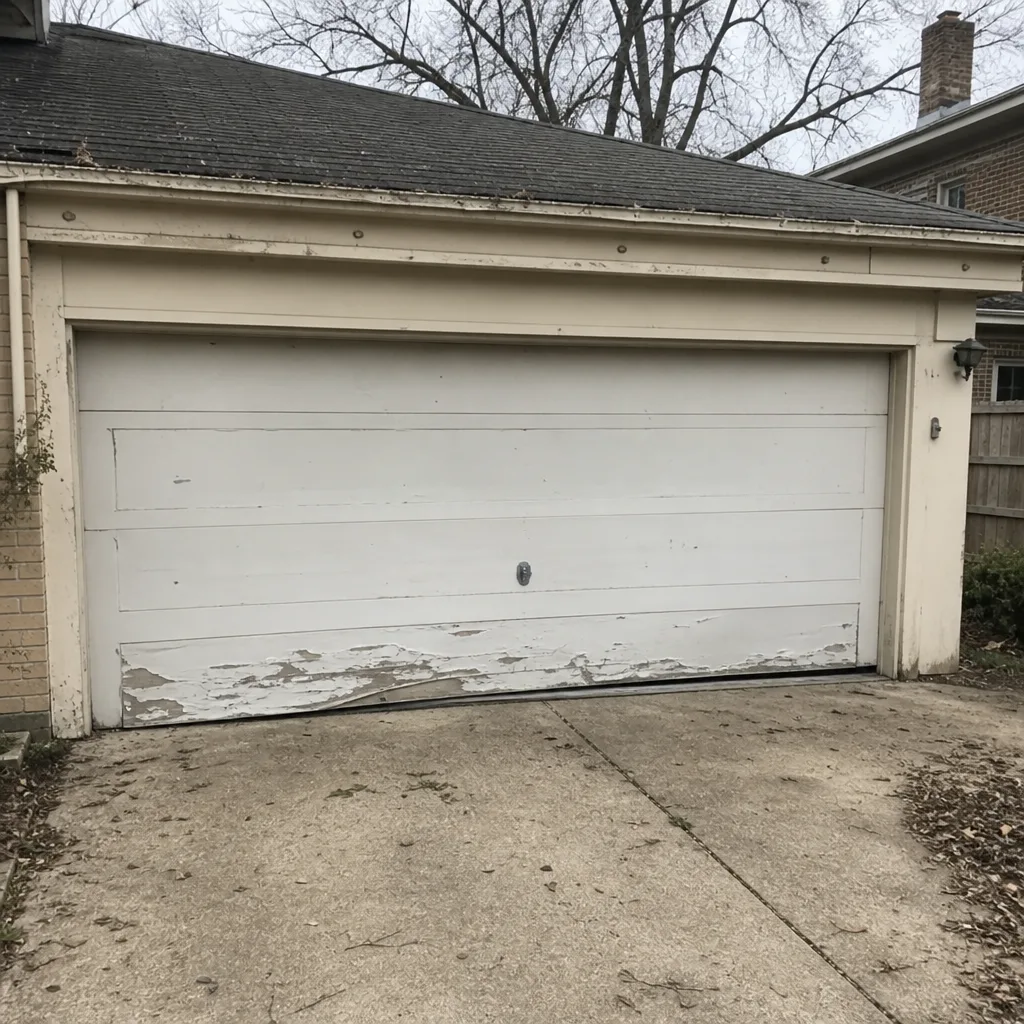 Before
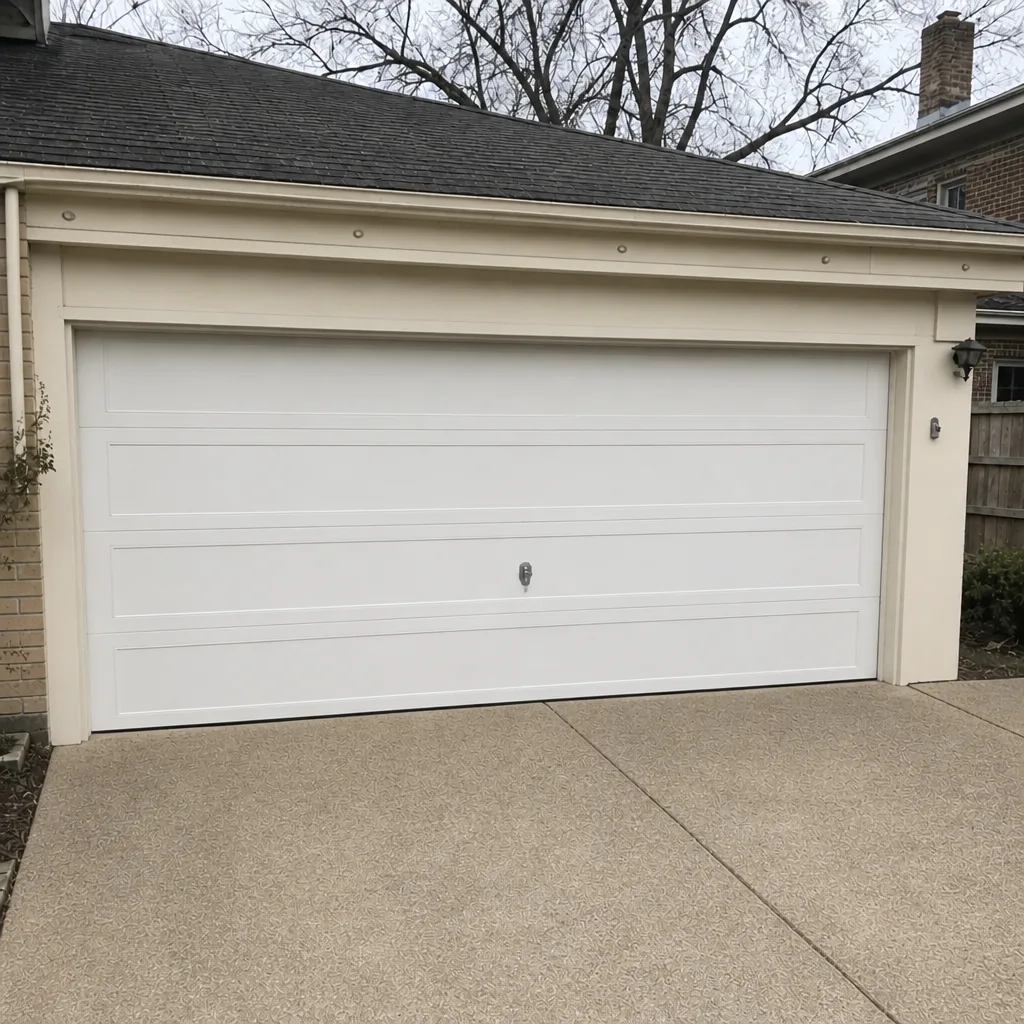 After
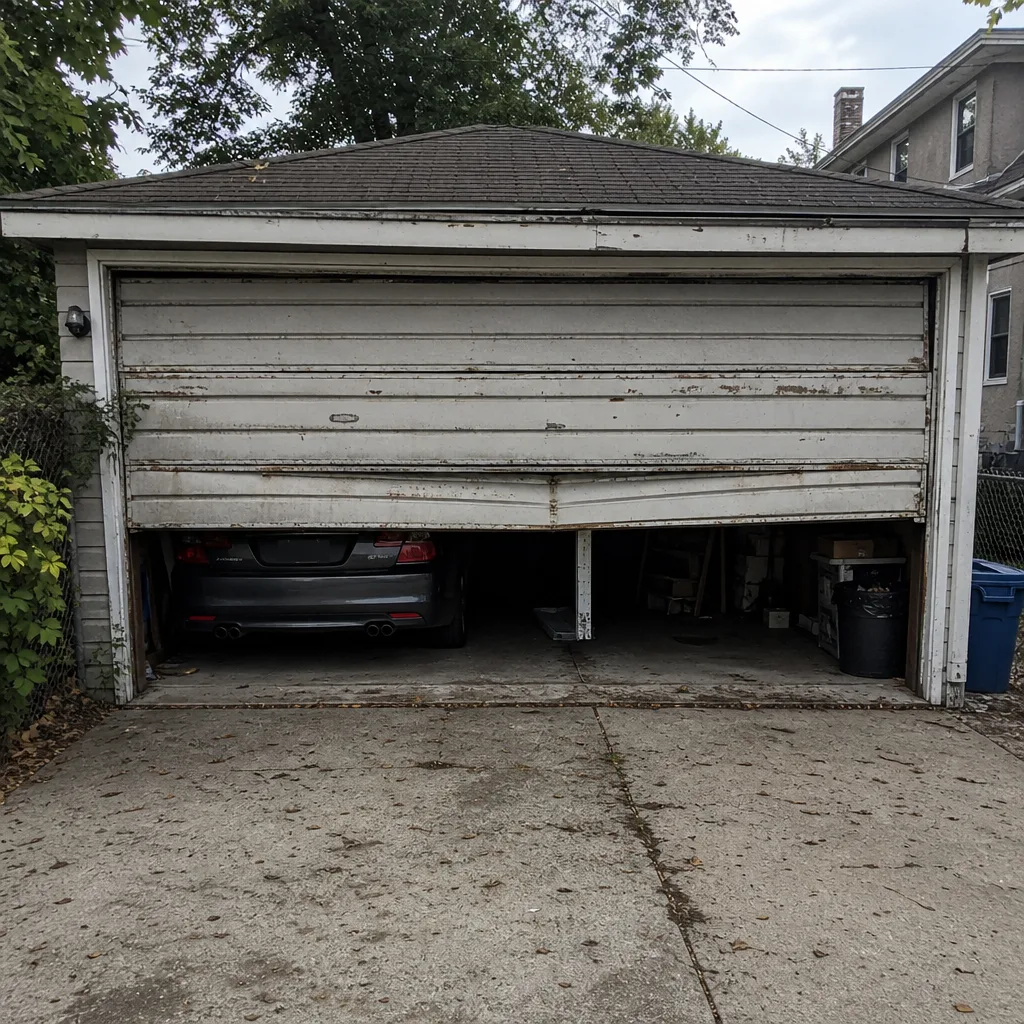 Before
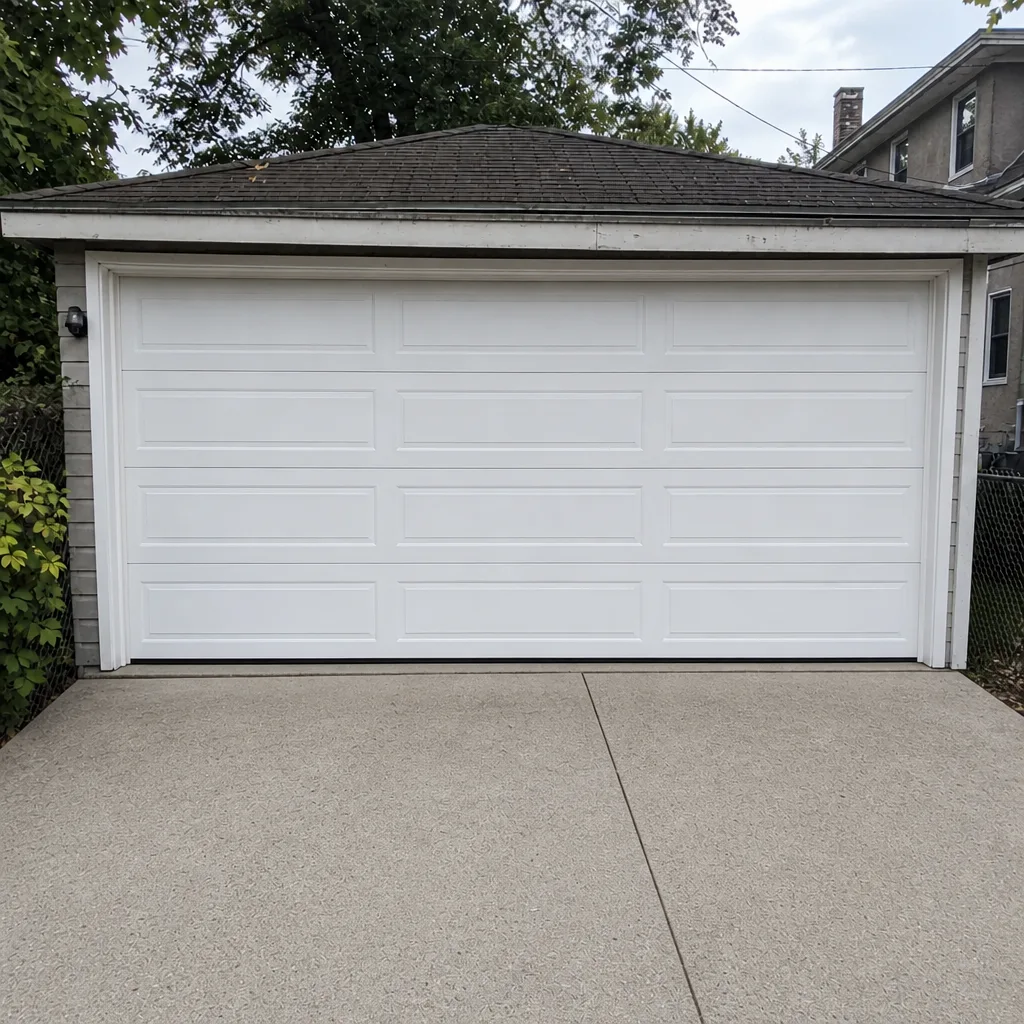 After
When to Call a Professional
Call a professional for any spring or cable failure, any door that won’t operate safely by hand, any vehicle impact, any door that won’t close after a break-in attempt, and any opener that’s failed but left the door in a dangerous position. Those situations carry real injury risk or leave the house exposed. For a door that’s closed and secure and just needs diagnosis, a call still beats guessing, and it beats a video tutorial that shows a different brand than yours. We service LiftMaster, Chamberlain, Genie, Clopay, Amarr, Wayne Dalton, Craftsman, and Raynor equipment, so the technician who arrives already knows the hardware. Evanston Garage Door Repair Pros offers free estimates in Evanston, call (855) 305-8770. We answer 24/7, and fast dispatch from 7am to 7pm gets a trained technician to your door.
Frequently Asked Questions
Fast dispatch runs from 7am to 7pm, Sunday through Friday, and we answer the phone 24/7. A call outside those dispatch hours is booked into the next opening. When your door is stuck open or your car is trapped, say so on the call and we’ll prioritize accordingly. Call (855) 305-8770 for an exact quote, estimates are free.
The price is set per job by the written estimate, and we quote and agree on that number before any work starts. What you see on the estimate is what you’ll be billed, short of something you ask us to add. Call (855) 305-8770 for a free estimate, and you’ll have the number in writing before we touch the door.
The local pro we connect you with is licensed and insured as their state requires. Our technicians have up to 15 years of experience and carry proper tooling for high-tension spring work, which is not a DIY repair under any circumstances. Call (855) 305-8770 for a free estimate.
Don’t force the door. Pull the manual release on the opener, but if the door won’t lift with about 10 to 15 pounds of effort from both hands, a spring has probably failed and lifting harder can drop the door or pop a cable. Keep people clear of the door and call (855) 305-8770. We answer 24/7, and a technician can get the door open safely.
Often it can be repaired, sometimes it can’t, and the difference is usually whether the tracks and torsion system are still aligned. That’s a job for a technician on site, not a decision to make by looking at it. Don’t run the opener to test it. Call (855) 305-8770 and we’ll get a trained eye on the door before anyone operates it.
Only if the door is secure. A C-clamp on each vertical track above the bottom roller will lock most doors in place. If the door won’t come down at all, block the opening from inside and call. In Evanston, an open garage in winter is a plumbing and security concern, so it’s worth the call even when the repair itself waits for the next dispatch window. Call (855) 305-8770.
The Bottom Line
Garage door emergencies in Evanston are predictable: cold-snap spring failures, power outages that trap cars, doors that won’t close after a break-in attempt, and impacts that look minor but aren’t. What separates a small inconvenience from a security or weather problem is whether you know the protocol before the door fails. Learn where your manual release is. Keep two C-clamps and a flashlight near the garage door. Write down our number and tape it to the door jamb. And remember the one rule that covers almost every situation: don’t force the door, and don’t run the opener after a failure. Springs store serious tension, and the money you save on a repair isn’t worth an injury. From opener diagnostics to full door replacement, one call covers it all at Evanston Garage Door Repair Pros.
If your garage door is stuck, secure, or simply not working the way it should, call (855) 305-8770 for a free estimate. We answer 24/7, and fast dispatch from 7am to 7pm, Sunday through Friday, will get a trained technician to your door.
Written by the team at Evanston Garage Door Repair Pros.