
Last updated November 23, 2026
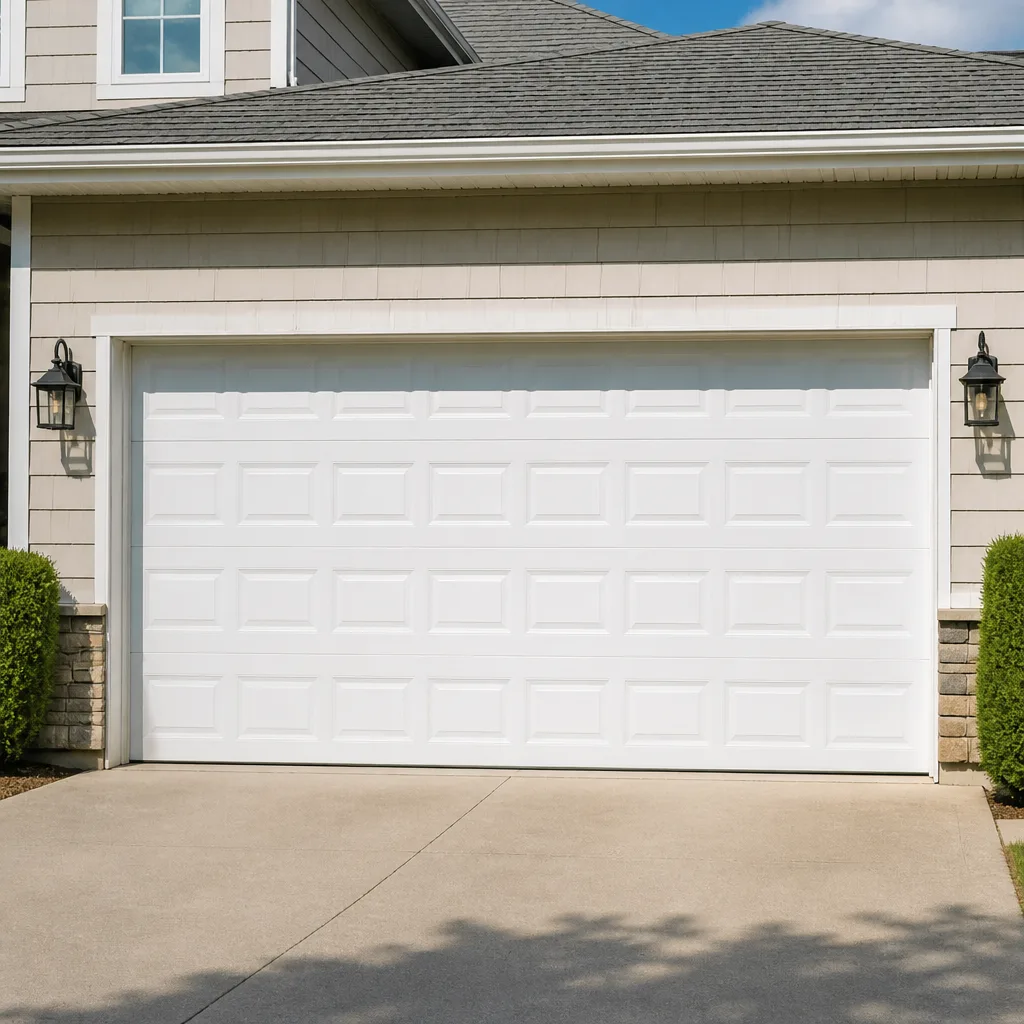 Raised-panel steel
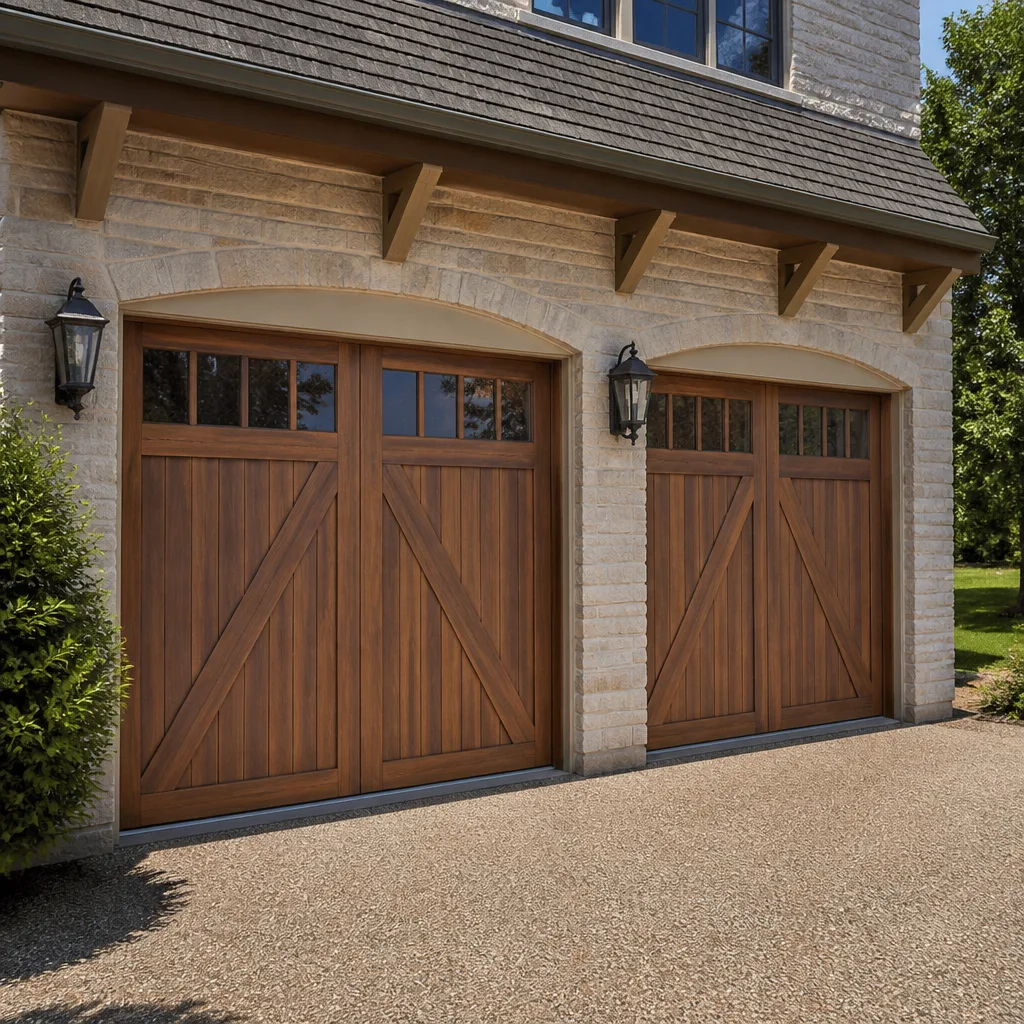 Carriage house
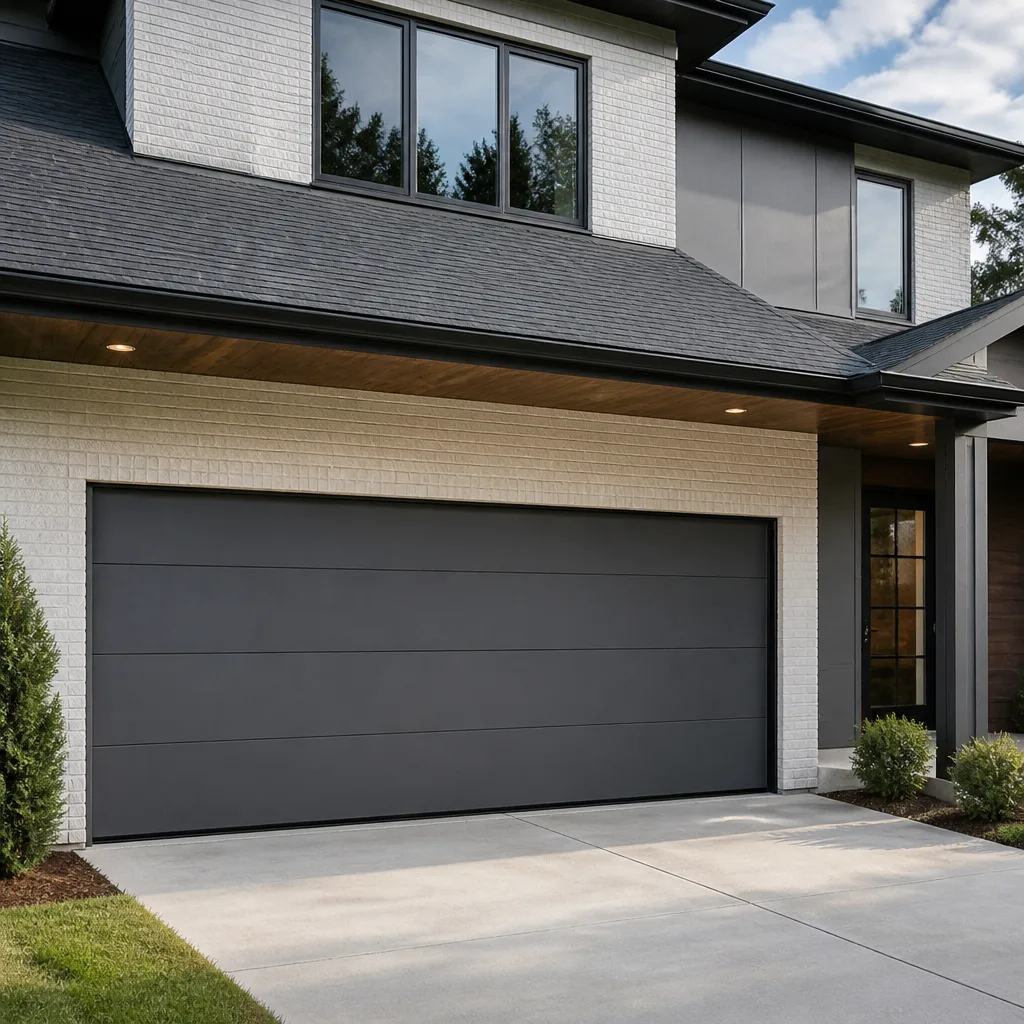 Modern flush
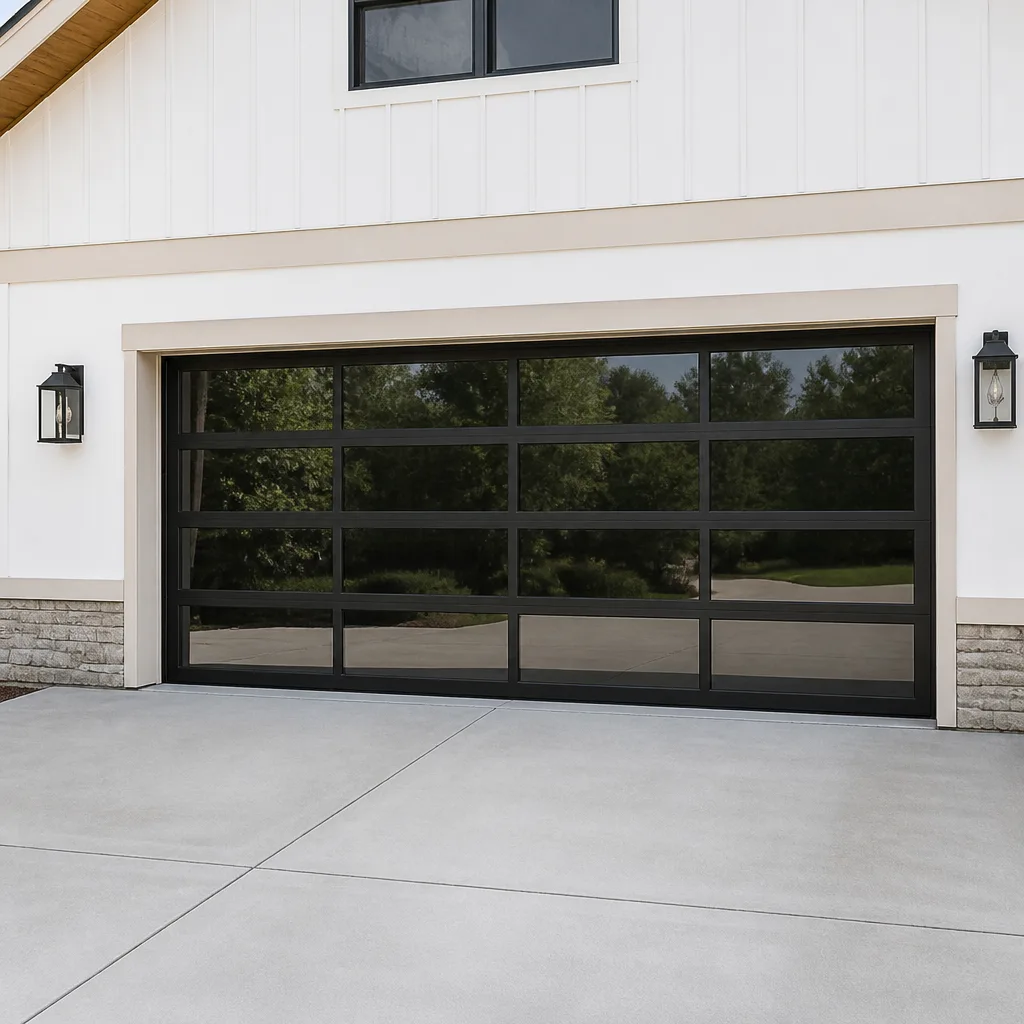 Full-view glass
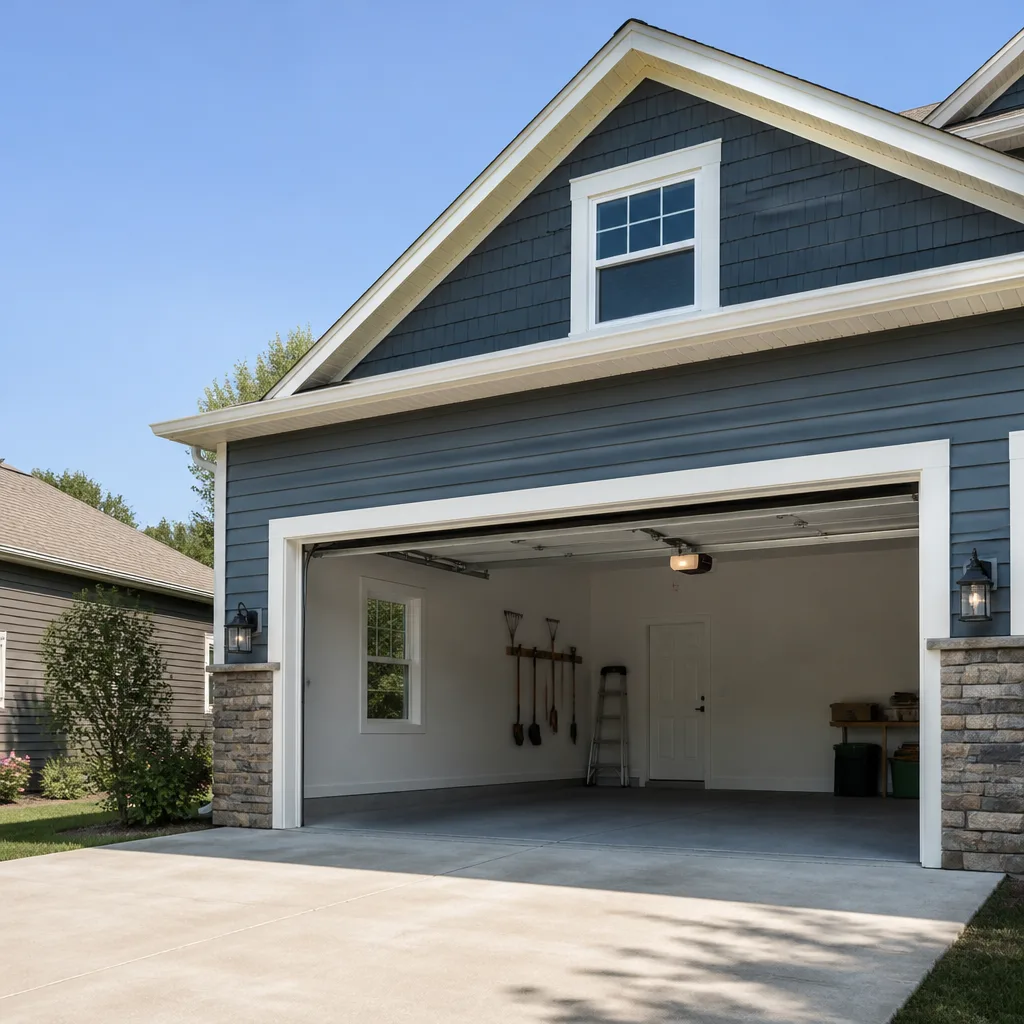 LiftMaster openers
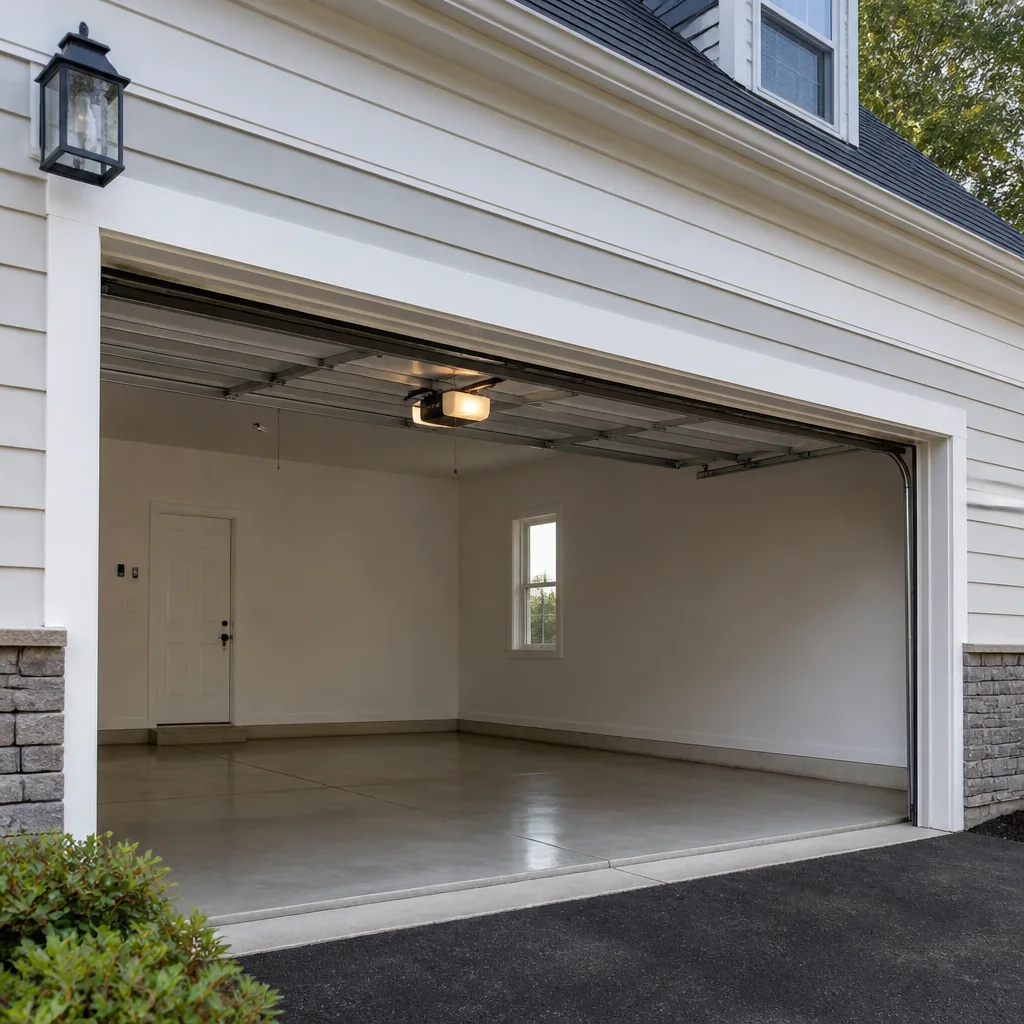 Chamberlain openers
Full 25-point door and opener safety check with every visit - springs, cables, rollers, tracks, and your LiftMaster or Chamberlain opener included
You get a price before we start. It does not change when the pro arrives.
Get your free estimateSeasonal Garage Door Care for Evanston: Year-Round Homeowner’s Guide
Most homeowners assume the coldest day of the year is what breaks a garage door. It usually isn’t. In Evanston, February is the month we see the most failed torsion springs, and it’s rarely one brutal cold snap that does it. It’s the accumulation of months of thermal cycling: metal expanding on mild afternoons and contracting again overnight, thousands of small movements that quietly fatigue the steel until one cold morning it finally gives. That pattern repeats across the whole year, just with different components under stress each season. This guide walks through how Evanston’s freeze-thaw swings, lake-effect moisture, and summer humidity each wear on a different part of your door, and what to check before each one arrives so you’re not caught with a car trapped inside.
Quick Answer
Seasonal garage door care in Evanston means matching your maintenance to the local climate pattern, not the calendar alone: check the bottom seal and roller stems before the first hard freeze, watch spring tension closely from late February through March when fatigue failures peak, control humidity around wood panels in summer, and inspect cables in October before road salt starts working into them. A quick inspection at each seasonal turn catches most failures before they leave you stuck.
Styles & brands we work with
- Raised-panel steel
- Carriage house
- Modern flush
- Full-view glass
- LiftMaster openers
- Chamberlain openers
Table of Contents
- Why Evanston’s Climate Wears on Garage Doors Differently
- Pre-Winter Prep: The Components That Fail First
- Late February Through March: The Highest-Risk Window for Springs
- Summer Humidity and Wood Door Panels
- Fall Cable Inspection: Why October Matters
- Alley-Facing vs. Attached Garages: Two Different Risk Profiles
- Your Evanston Seasonal Checklist
- When to Call a Professional
- Frequently Asked Questions
Why Evanston’s Climate Wears on Garage Doors Differently
A garage door in Evanston doesn’t face one kind of weather. It faces a rotating set of stresses that change roughly every three months, and each one attacks a different part of the assembly. That’s what makes a generic “check your door twice a year” reminder so useless here. The door that survives a Chicago winter without complaint can develop a completely different problem by August.
Here’s the pattern that matters:
- Freeze-thaw cycling is the big one. Evanston swings above and below freezing repeatedly through winter, and every swing moves the metal in your springs, tracks, and hinges a little. That repeated expansion and contraction is what fatigues torsion springs over time.
- Lake-effect moisture keeps humidity elevated well into spring and returns in summer. It works into wood panels, lubricant, and any exposed steel, especially on doors that face the weather.
- Summer heat and humidity swell wood and soften grease, changing how smoothly rollers travel and how well the door seals.
- Road salt from plowed alleys and streets starts accumulating on cables and bottom hardware as early as late fall and keeps corroding through the cold months.
The practical takeaway: a door that’s fine in July can be a spring failure waiting to happen in February, because the wear happened silently over months of temperature swings. Knowing which component is under stress right now is how you get ahead of it. If something already looks or sounds wrong, garage door repair is the place to start rather than waiting for the next season to expose it.
Pre-Winter Prep: The Components That Fail First
Before the first hard freeze settles in, focus on the parts that Evanston’s freeze-thaw cycling punishes hardest. These are the components that turn a small nuisance into a door that won’t close all the way or won’t move at all once temperatures drop.
The bottom seal is where most people start, and for good reason. A worn or cracked seal lets cold air, moisture, and salt-laden slush under the door, and once water gets in and freezes, it can lift the door slightly off its seal or jam the bottom edge. Run your hand along it and look for cracks, brittleness, or gaps at the corners. If it’s hard and crusty rather than flexible, it’s past its useful life.
Next, look at the roller stems. These are the small shafts that hold each roller in its hinge. Over years of temperature swings they wear and loosen, and a wobbly stem makes the door travel rough and noisy. It also puts uneven stress on the tracks. A door that rattles more than it used to in cold weather is telling you the rollers or stems need attention.
Spring tension is the third piece, and the one to treat with the most caution. Don’t try to adjust torsion springs yourself. Springs store hundreds of pounds of tension, and a mistake can cause serious injury. What you can do is listen and look: a door that feels noticeably heavier to lift by hand, or one that slams down instead of lowering smoothly, is a signal to have a technician check the springs before winter.
One more pre-winter step that pays off: clear leaves, grit, and debris from the tracks and lubricate the moving metal parts. Grit that freezes into the track is a common cause of a door that binds on the coldest mornings.
Late February Through March: The Highest-Risk Window for Springs
If there’s one stretch of the year to be alert, it’s late February into March. This is when we field the most spring failure calls in Evanston, and the reason isn’t a mystery. By that point in the season, the springs have been through months of daily thermal cycling. The metal fatigue has been building quietly, and the coldest mornings are exactly when the accumulated stress crosses the threshold and the spring snaps.
The confusing part is that it often feels sudden to the homeowner. The door worked fine yesterday. But the failure was a long time coming, and the warning signs were there if anyone had been watching for them. Here’s what to watch:
- A loud bang from the garage. A failing torsion spring usually announces itself with a sharp snap or bang that you’ll hear from inside the house. If you hear it, stop using the door.
- The door won’t lift, or lifts only a few inches. If the opener runs but the door barely moves or won’t budge, a spring has likely broken.
- A visible gap in the spring coil. Look at the torsion spring above the door. A clean break shows as a gap in the winding.
- A door that feels unusually heavy. If you can safely and gently test the balance (with the opener disengaged, lifting by hand), a door that feels far heavier than it used to points to weakening springs.
- The door slams down. Loss of spring tension means the door has nothing cushioning its descent.
One safety note that matters more than any of the above: if you suspect a broken spring, don’t run the opener and don’t try to fix it yourself. The opener will strain against a door it can’t lift, and the spring itself is under dangerous tension. This is the exact situation behind garage door spring repair, and it’s work for a trained technician with the right tooling. In Evanston, late winter is the time to schedule a professional look even if nothing has failed yet, because that’s when the fatigue catches up.
Summer Humidity and Wood Door Panels
Summer brings a different kind of stress: humidity. For homes with wood garage doors, the warm, moist air that settles over Evanston in summer makes wood panels swell. That swelling is normal, but unmanaged it causes sticking sections, panels that rub against the frame, and paint that cracks as the wood moves underneath it.
The goal isn’t to stop the wood from moving, because that’s the nature of wood and moisture. The goal is to manage it so the door still operates smoothly and the finish stays intact. A few things help:
- Keep the door’s finish sealed. A sound coat of paint or stain slows how much moisture the wood absorbs. Check for peeling or cracking in late spring and touch up before summer humidity peaks.
- Watch for panels that stick or rub. If the door sounds like it’s dragging in July, the panels may have swelled enough to bind. That’s often manageable without replacing the door.
- Keep the tracks clear and the hardware lubricated. Humidity softens grease, so a door that ran smoothly in spring can feel sluggish in August. A quick clean and re-lube helps.
- Check ventilation in the garage. A garage that traps humid air holds moisture against the door longer. Good airflow lets the panels dry out between humid stretches.
If your door is wood and the panels have swollen enough to bind, or the finish is failing badly, that’s worth an inspection before the swelling causes more expensive damage. A Clopay or Amarr wood-look door can often be adjusted rather than replaced if the issue is caught early in the season. A stiff door that’s been binding all summer is also harder on your opener, so it’s worth watching that system too. If the opener starts struggling, that’s a sign to look into garage door opener repair rather than let it burn out.
Fall Cable Inspection: Why October Matters
October is the right month to look at your cables, and it’s a piece of maintenance most homeowners skip. As plows start moving snow and the streets and alleys get salted, salt-laden slush and spray collect on the bottom hardware of your door. Cables, and the drums and brackets they run through, sit low enough to catch the brunt of it. Once corrosion starts, cables weaken and fray, and a frayed cable is a serious safety issue.
Cables are under heavy tension and they wear silently. A cable that looks fine can have broken strands hidden inside. In fall, do a visual inspection from a safe distance:
- Look for fraying, kinks, or broken strands along the length of the cables.
- Check for rust or corrosion, especially near the bottom corners where salt spray collects.
- Watch the door in motion: uneven travel or a door that seems to tilt to one side can point to a cable problem.
- Look for slack. A cable that’s gone slack or come off its drum needs professional attention right away.
Don’t touch the cables to test them. Like springs, they hold serious tension, and a hand near a snapped cable can be badly hurt. If anything looks wrong, have a technician check it. Cleaning the bottom hardware periodically through winter and rinsing off salt buildup where you can helps slow the corrosion, but the fall inspection is where you catch the damage before it becomes a failure. For an attached Evanston garage where the door faces the alley, the salt exposure is real and worth taking seriously.
Alley-Facing vs. Attached Garages: Two Different Risk Profiles
Not every Evanston garage faces the same conditions, and where your garage sits changes which seasons you should worry about most. Two common setups here have very different seasonal risk profiles, and it’s worth knowing which one you have.
Alley-facing garages with no tree canopy take the weather head-on. With no trees or overhang to block it, these doors get full sun in summer, full exposure to wind-driven rain and snow, and direct salt spray from plowed alleys in winter. For these doors, the fall cable inspection and the pre-winter seal check matter most, because salt and moisture reach the hardware fast. In summer, UV exposure can also break down seals and finishes faster than on a shaded door. If your alley-facing door gets no shade, check its seals and finish more often than the calendar might suggest.
Attached garages with an overhang or tree cover get some protection from direct precipitation, but that protection comes with a trade-off. Shade and overhang trap moisture, so these doors dry out more slowly after rain or snowmelt. That makes summer humidity swelling on wood doors and hidden corrosion on cables more of a slow-burn concern here. Under-tree garages also catch leaves and debris, which collect in tracks and along the bottom seal. For an attached Evanston garage, the seasonal watch is more about moisture management and keeping debris clear than about direct weather exposure.
Neither setup is better or worse. They just fail differently, and matching your seasonal checks to your actual garage setup keeps you from missing the problems most likely to hit your door.
Your Evanston Seasonal Checklist
Here’s the whole year in one place, organized by season. Use it as a starting point, adjusting the timing to how your door is actually behaving.
- Before the first freeze: Inspect the bottom seal for cracks and brittleness. Check roller stems for wobble. Clear debris from tracks and lubricate moving metal. Have spring tension checked professionally if the door feels heavy or slams.
- Late February through March: Listen for bang or snap sounds. Watch for a door that won’t lift or a visible gap in the spring coil. Schedule a spring inspection if anything seems off, and never run the opener against a suspected broken spring.
- Late spring into summer: Check wood door panel finish and touch up peeling paint or stain. Watch for swelling panels that stick or rub. Clean and re-lubricate tracks and hardware as humidity rises.
- October: Do a visual cable inspection for fraying, rust, and slack. Look for salt corrosion on bottom hardware. Watch for uneven door travel.
- Year-round: Note any change in how the door sounds or moves. New rattles, grinding, or uneven travel almost always point to a developing problem instead of a passing quirk.
If you’d rather have a professional walk through the whole checklist once a year, our team can do it. From opener diagnostics to full door replacement, one call covers it all.
See the difference
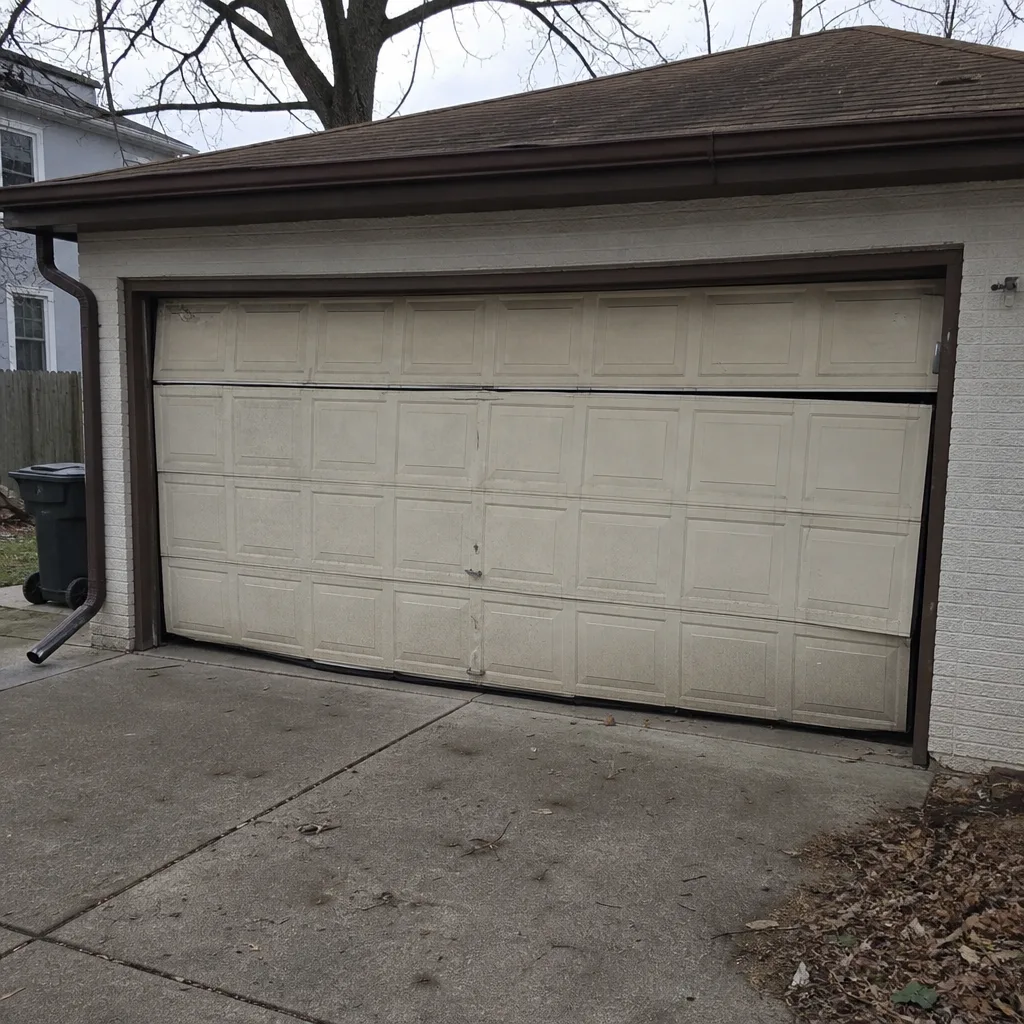 Before
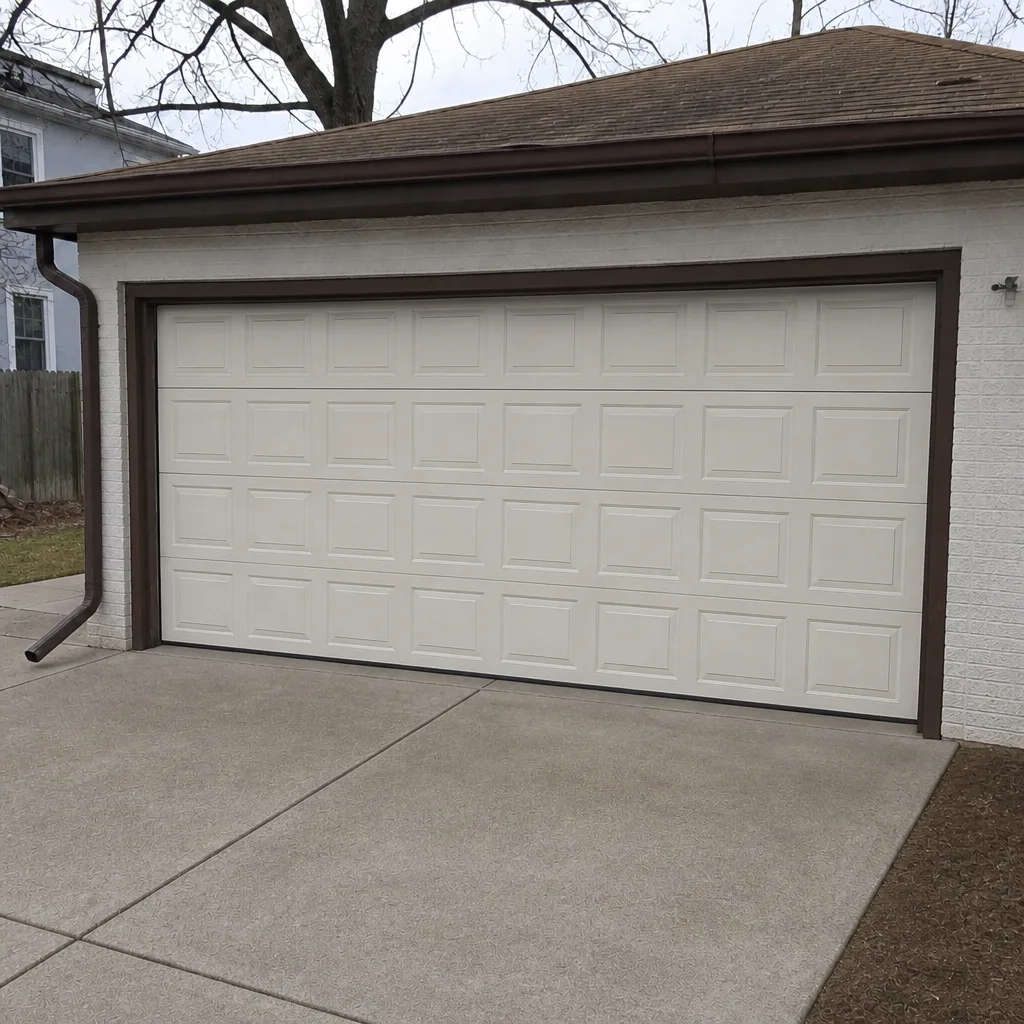 After
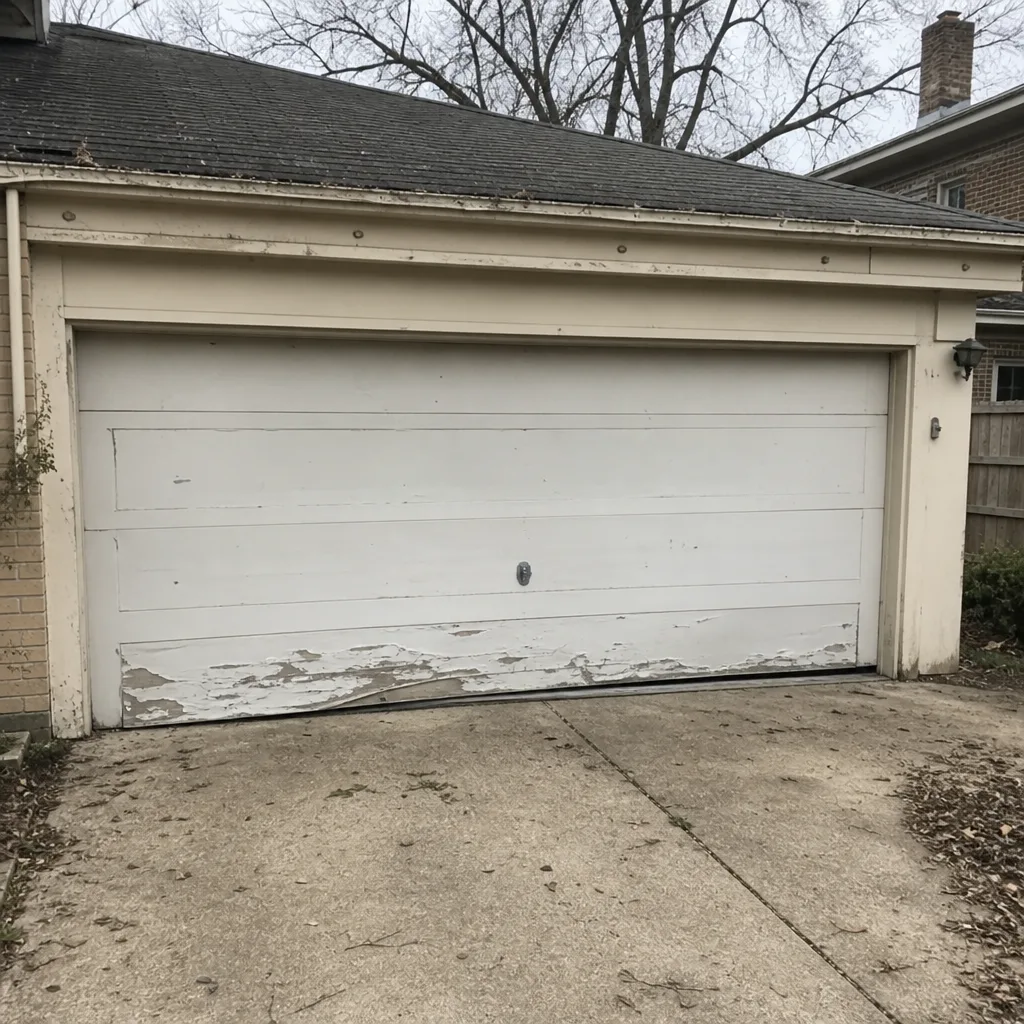 Before
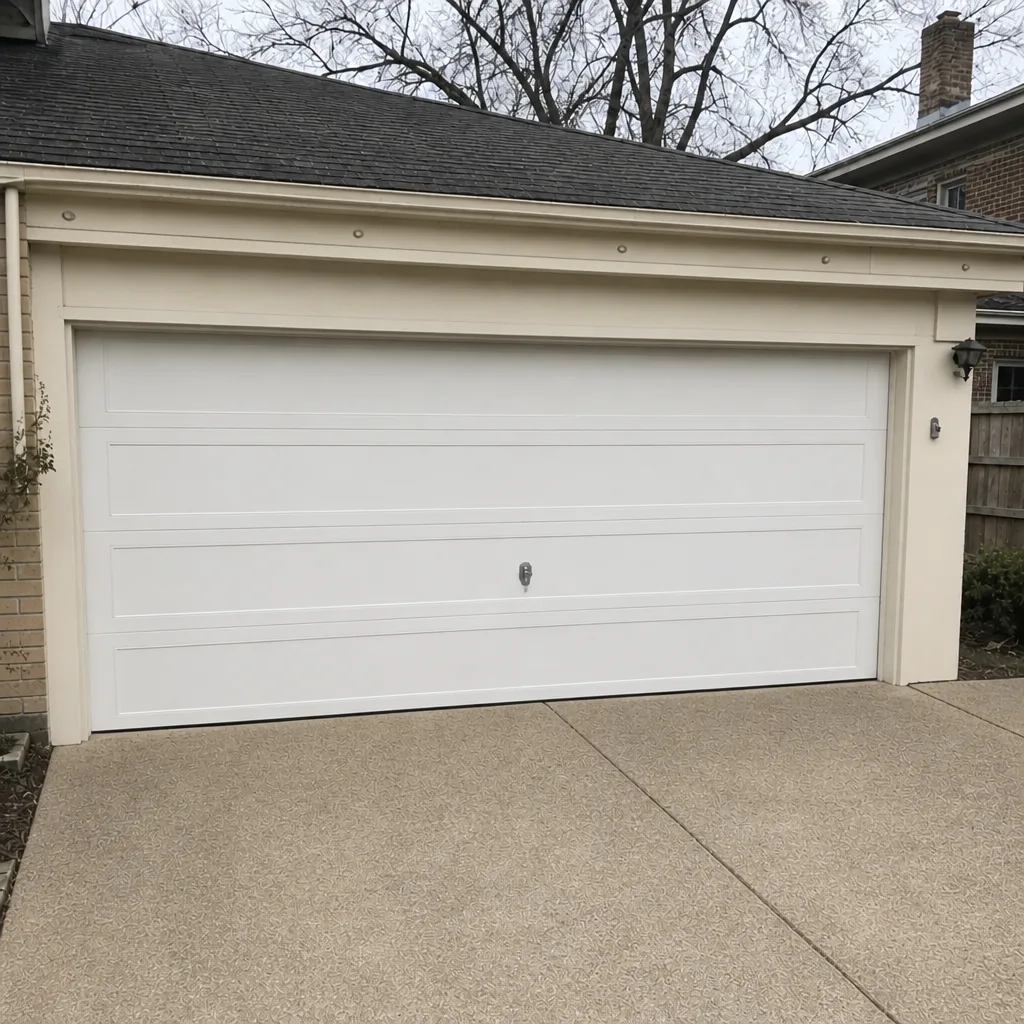 After
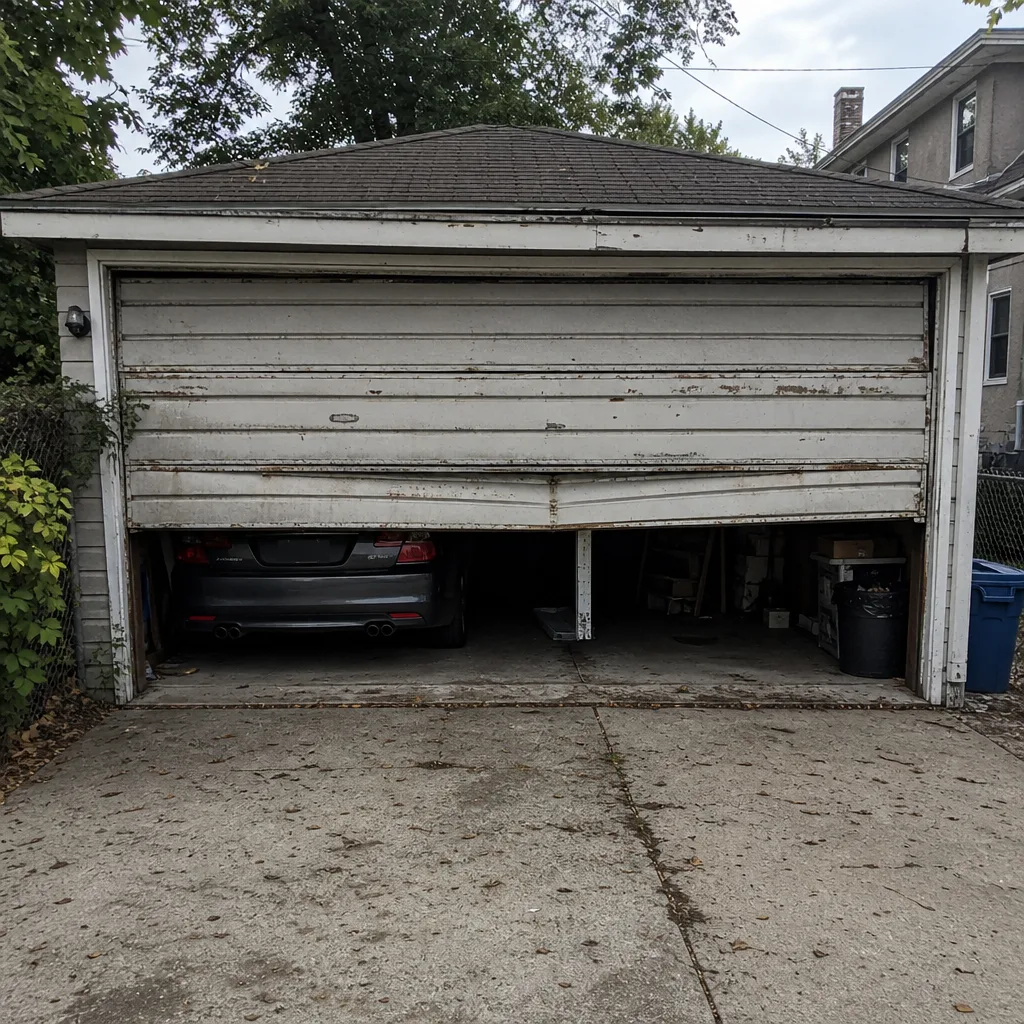 Before
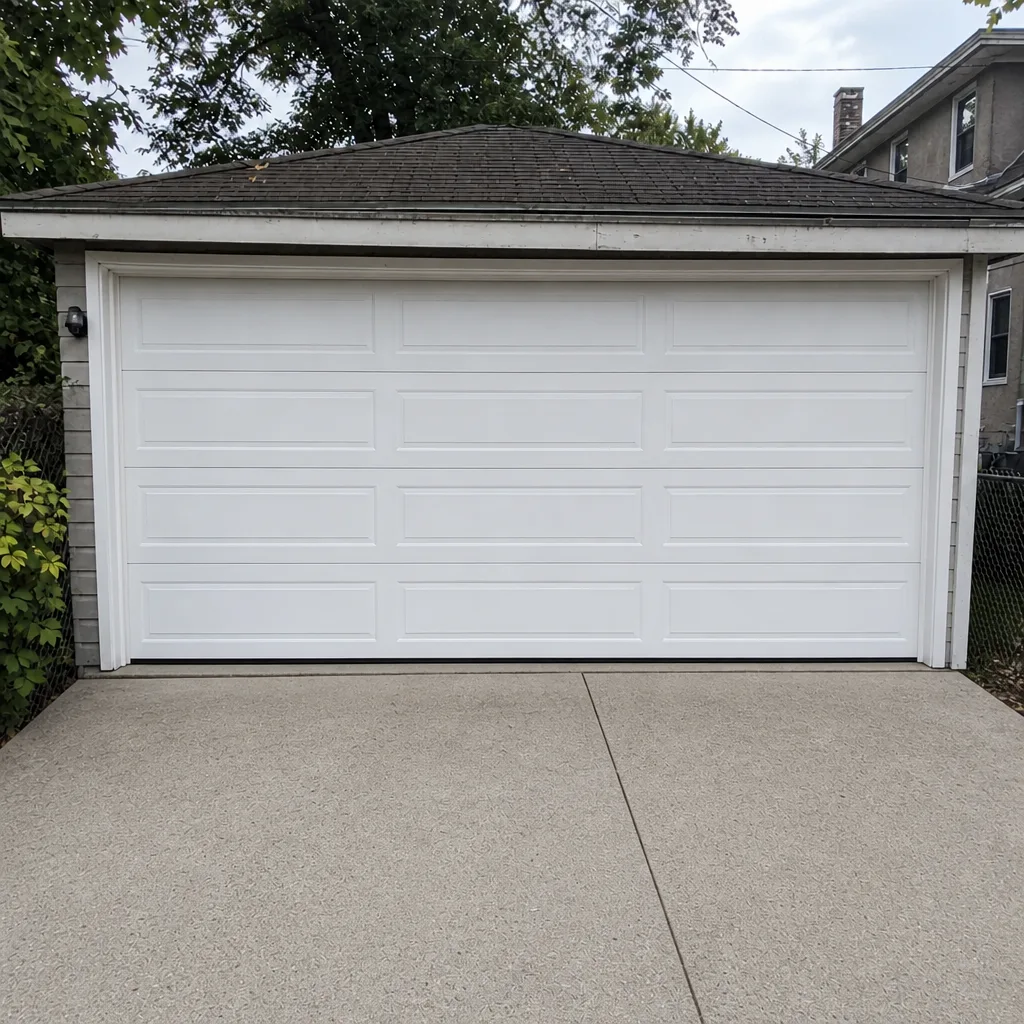 After
Common Mistakes to Avoid
- Treating spring care as a cold-weather-only concern. Spring failure builds up over months of temperature swings, so by the time it fails in February, the warning signs were there all fall and winter. Watch the springs year-round, not just when it gets cold.
- Ignoring the bottom seal. A cracked seal lets cold air, slush, and salt under the door, which makes freeze-thaw damage worse and lets water into the garage. Replacing a worn seal is a small job that prevents bigger ones.
- Adjusting torsion springs yourself. Springs store hundreds of pounds of tension, and this is not a DIY repair. A mistake can cause serious injury, so leave spring work to a trained technician with the proper tooling.
- Letting summer humidity ruin a wood door. Wood swelling that goes unmanaged leads to binding panels and cracked finishes. A little attention in late spring keeps a Clopay or Amarr wood door working smoothly all summer instead of needing panels replaced.
- Skipping the fall cable check. Road salt starts working into cables in October, and a frayed cable is a safety concern, not just a maintenance item. Inspect from a distance and call a technician for anything that looks wrong.
- Assuming one maintenance schedule fits every garage. An alley-facing door with no tree cover faces different seasonal stress than an attached, shaded garage. Match your checks to your actual setup, not a generic calendar.
- Running the opener against a stuck or broken door. When an opener strains against a door it can’t lift, it wears out the motor and gear. If the door won’t move smoothly, stop and have it looked at instead of forcing it.
When to Call a Professional
Some seasonal care is homeowner-level: clearing debris from the tracks, cleaning the bottom seal, checking paint on a wood door. But certain signs mean it’s time to call in a trained technician. A broken torsion spring that snapped with a bang, a door that feels unusually heavy or slams down, a visible gap in the spring coil, or a cable that looks frayed or rusted all warrant professional service. The same goes for an opener that strains, grinds, or stops moving the door, and for wood panels swollen enough to bind.
Our technicians have up to 15 years of experience and work across the major brands, including Chamberlain, Genie, Clopay, and Amarr, so we know the hardware already in your garage rather than guessing. Evanston Garage Door Repair Pros offers free estimates in Evanston, so call (855) 305-8770 to schedule a look. When your garage door won’t move, every hour matters, and springs store hundreds of pounds of tension, so please don’t test them by hand.
Frequently Asked Questions
The highest-value check is the pre-winter inspection of the bottom seal, roller stems, and spring tension, followed by a spring check in late February through March. Those two points in the year catch most of the failures Evanston’s freeze-thaw pattern causes. Clearing tracks and lubricating moving parts before winter also prevents a lot of cold-morning problems. If you want it done properly, call (855) 305-8770 for a free estimate.
Torsion springs fail more often from late February through March because months of freeze-thaw temperature swings fatigue the metal, and the coldest mornings push that accumulated stress past its limit. The failure looks sudden, but it builds up over the whole winter. A loud bang or a door that won’t lift is the usual sign. Have springs checked by a trained technician rather than adjusting them yourself. Call (855) 305-8770.
A broken torsion spring usually announces itself with a loud bang, and afterward the door won’t lift or lifts only a few inches while the opener runs. A visible gap in the spring coil above the door is a clear sign. If you suspect a broken spring, don’t run the opener and don’t try to fix it. Call (855) 305-8770 for a free estimate.
We are closed Saturday and open Sunday through Friday, 7am to 7pm, so a door that fails over the weekend can be booked for the next opening. Call (855) 305-8770. We answer 24/7, and a call outside dispatch hours is booked into the next opening, Sunday through Friday, 7am to 7pm.
Yes, summer humidity causes wood panels to swell, which can make sections stick, rub against the frame, and crack the finish as the wood moves. Keeping the finish sealed and watching for binding panels catches most of it. A Clopay or Amarr wood door can often be adjusted rather than replaced if the swelling is caught early. Call (855) 305-8770 for an inspection.
Fall matters because road salt from plowed streets and alleys starts working into door cables as early as October, and that corrosion weakens them through the winter. A frayed or rusted cable is a safety concern, so inspect from a distance and call a technician for anything that looks off. Call (855) 305-8770 for a free estimate.
The Bottom Line
Evanston’s climate doesn’t wear on a garage door in one way. Freeze-thaw cycling fatigues springs through winter, lake-effect moisture and humidity swell wood panels in summer, and road salt starts eating into cables each fall. The fix isn’t a single annual check but a rotating one that matches each season’s biggest threat: seals and roller stems before the freeze, spring awareness from late February through March, humidity control on wood doors in summer, and a cable inspection in October. Match the checks to whether your garage faces the alley or sits attached under cover, and you’ll catch most failures before they leave you stuck.
Contact
If you’d rather have a trained technician walk through the whole seasonal checklist, or something looks wrong right now, we can help. From spring and cable checks to opener diagnostics and full door replacement, Evanston Garage Door Repair Pros covers repair, opener work, springs, and installation in one place, and we work on the brand already in your garage. Call (855) 305-8770 for a free estimate. We answer 24/7. Fast dispatch from 7am to 7pm, Sunday through Friday. The price is quoted and agreed before any work starts.
Written by the team at Evanston Garage Door Repair Pros.