
Last updated November 23, 2026
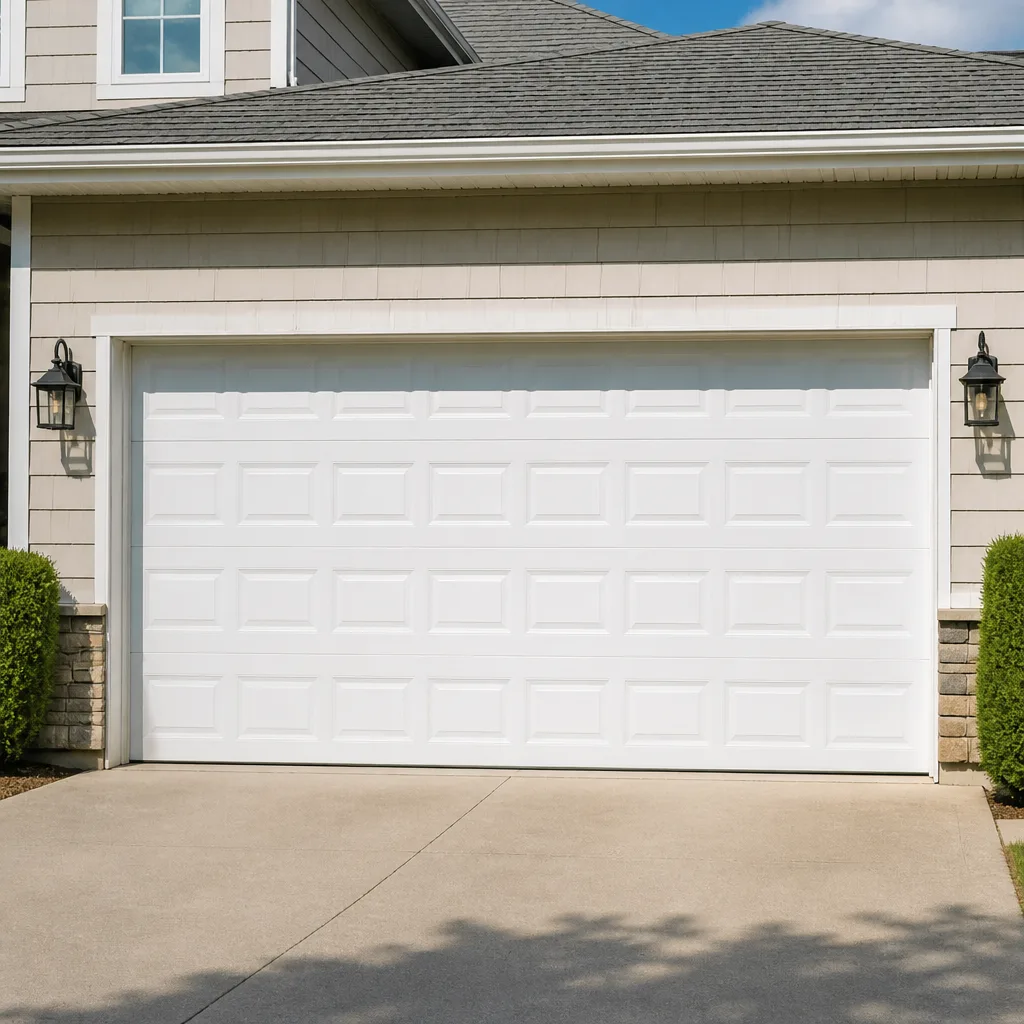 Raised-panel steel
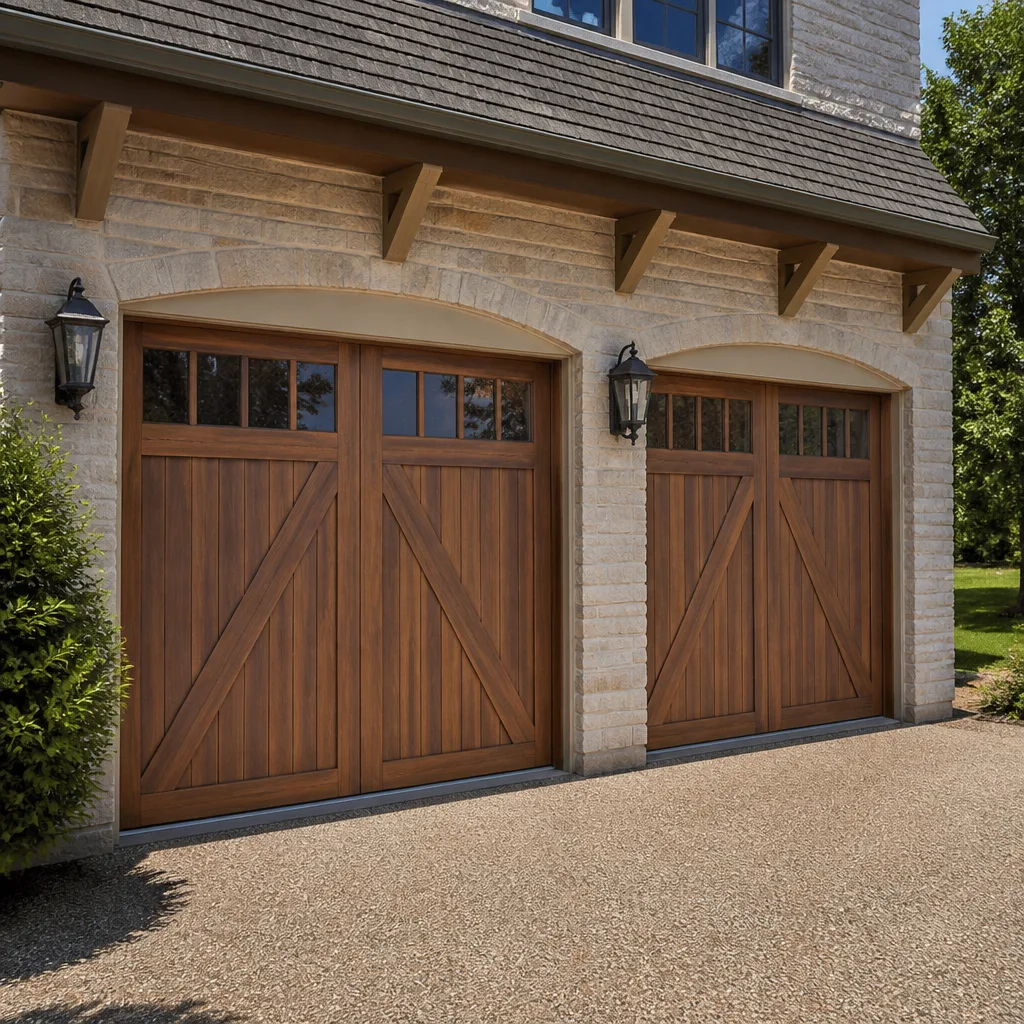 Carriage house
 Modern flush
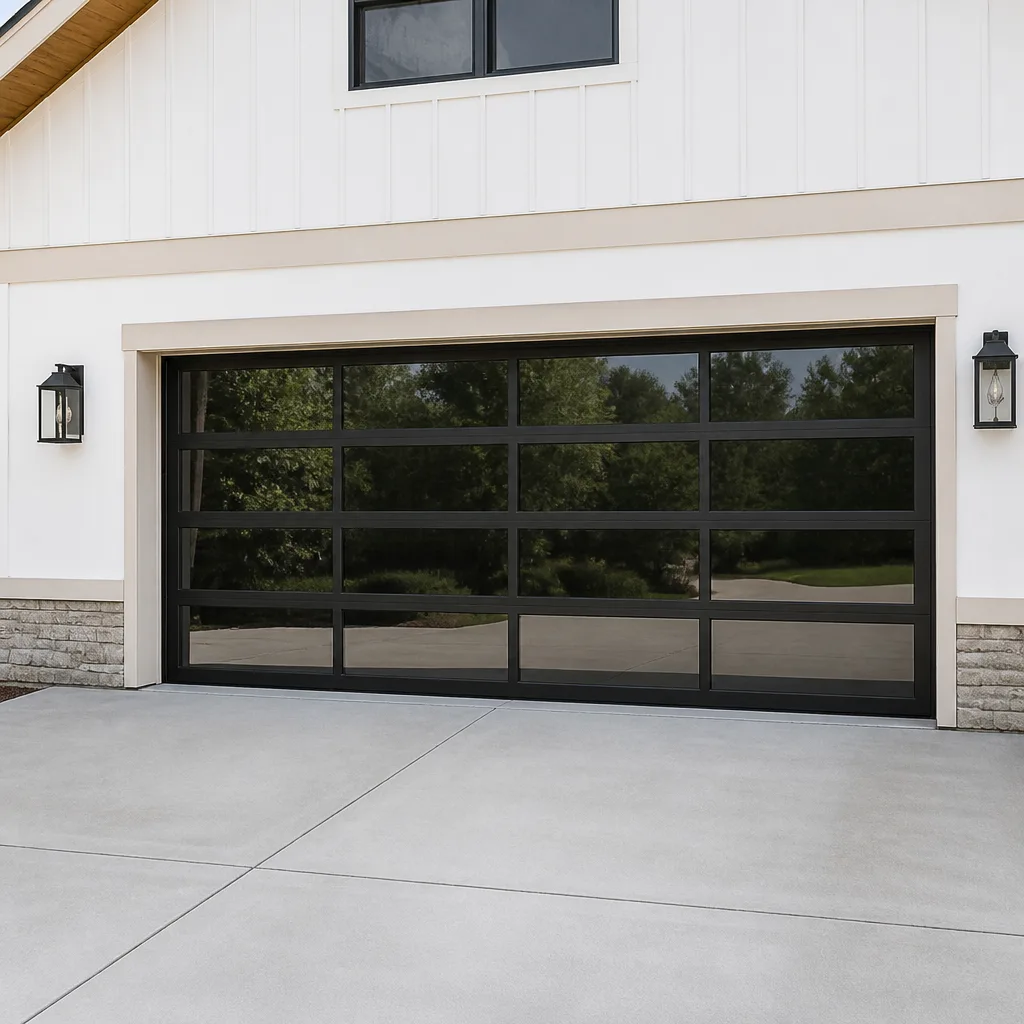 Full-view glass
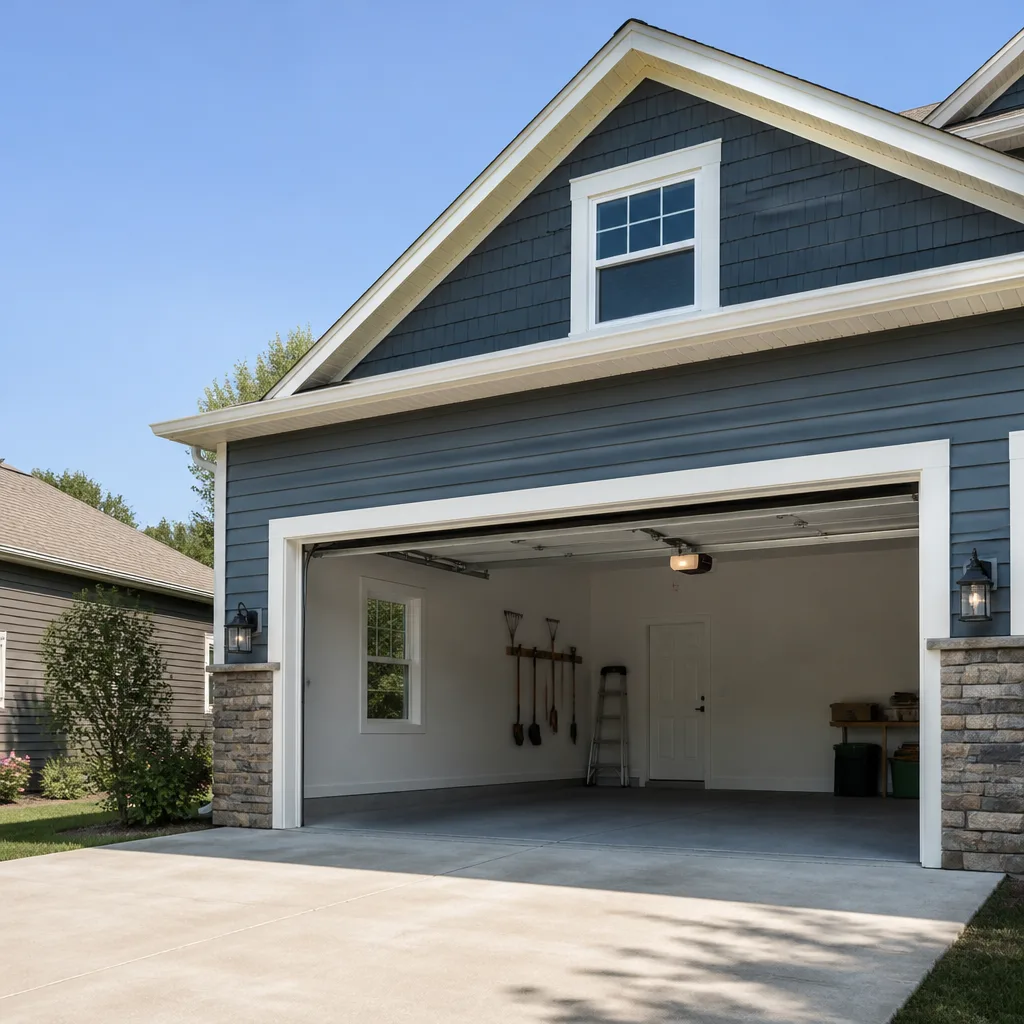 LiftMaster openers
 Chamberlain openers
Full 25-point door and opener safety check with every visit - springs, cables, rollers, tracks, and your LiftMaster or Chamberlain opener included
You get a price before we start. It does not change when the pro arrives.
Get your free estimateGarage Door Permits, Codes & Inspections in Evanston, IL: What You Need to Know
A garage door replacement in Evanston can be a permit-required structural project or a no-permit hardware swap – and the difference isn’t the door itself, it’s what you’re touching around it. Most homeowners assume the permit question is about the door panel, or they assume their contractor handled the paperwork. Both assumptions cause trouble later, usually at resale or during an insurance claim. This guide walks through exactly when a permit is legally required, how Evanston’s historic preservation rules change the picture, what an inspection actually checks, and how to verify permit status on work a previous owner did. You’ll finish knowing which projects are paperwork-heavy and which ones are simple hardware work.
Quick Answer
In Evanston, IL, a garage door project needs a permit when it involves structural work – altering or replacing a header, modifying framing, or adding a new electrical circuit for an opener. A straight swap of a door into existing, unchanged hardware usually doesn’t require one, but you should confirm with the city’s building department because the rules depend on the specific scope. Visible exterior door changes on a property in a historic district may also trigger preservation review. The only reliable way to know for your address is to ask the city directly before work starts.
Styles & brands we work with
- Raised-panel steel
- Carriage house
- Modern flush
- Full-view glass
- LiftMaster openers
- Chamberlain openers
Table of Contents
- What Triggers a Permit for Garage Door Work in Evanston?
- How Do Evanston’s Historic Preservation Rules Affect a Door Replacement?
- What Does a Garage Door Inspection Actually Check?
- What Happens If an Inspection Fails?
- How Do You Confirm Permit Status on Previous Owner’s Work?
- What’s the Risk of Unpermitted Work When You File an Insurance Claim?
- Permit-Required vs. No-Permit Projects: A Side-by-Side Guide
- Step-by-Step: How to Run a Compliant Garage Door Project in Evanston
What Triggers a Permit for Garage Door Work in Evanston?
The presence of a door doesn’t trigger a permit. What triggers one is structural or electrical work alongside the door. That’s the distinction that confuses most homeowners, and it’s the one worth committing to memory before you schedule anything.
Here’s what usually means you’ll be pulling a permit through Evanston’s building department:
- Header or framing changes. If the opening has to be enlarged, reduced, or reinforced because the old doorway was undersized or the framing is damaged, that’s structural work. It’s inspected.
- New electrical for an opener circuit. Adding a dedicated outlet or circuit where none exists requires an electrical permit, even when the garage door itself is a straight replacement.
- Track and reinforcement changes when the structural attachment shifts. If the new door is significantly heavier and the head reinforcement needs to change, that falls into structural territory.
- Visible exterior changes on a historic property. We cover this below, but a door visible from the street on a designated property may need preservation review in addition to the building permit.
- Converting a manual door to an opener-driven system. Sometimes the electrical side of this crosses the permit line; sometimes it doesn’t. It depends on whether the wiring already exists.
What usually doesn’t require a permit: replacing a door opener with the same type in the same location, swapping torsion springs, replacing a panel with an identical model, or repairing rollers, cables, and hinges. That’s hardware work on an existing assembly. It’s still best practice to check, because Evanston’s building department is the authority, not us and not a contractor’s memory of the last job.
If you’re not certain which category your project falls into, a look at the existing hardware tells you a lot. Our Evanston Garage Door Repair Pros team can walk through the scope with you and tell you where the boundary sits. For the repair side of this picture, our garage door repair work is almost always permit-free because we’re working with what’s already installed.
How Do Evanston’s Historic Preservation Rules Affect a Door Replacement?
Evanston has a significant stock of older homes, and several neighborhoods have properties under preservation review. If your address is in a historic district or is a designated landmark, a visible garage door change is more than a building department question – it may also go through a preservation review process.
What that means in practice:
- Visibility matters. A door facing an alley and hidden behind a fence is treated differently than a door that faces the street and defines the home’s front elevation.
- Material matters. Steel doors on a visible elevation of a historic property may need design review. Preservation review is about appearance, not function, but it can affect what you’re allowed to install.
- Timeline matters. Preservation review adds time before installation, and installation can’t begin until it clears. This is one of the reasons we tell homeowners to start the paperwork well before the door is ordered, not after.
If you live in a neighborhood with older housing stock – blocks around the lakefront, much of the area near downtown, and older residential stretches on the west side – it’s worth asking the city whether your address is flagged. A quick phone call to the building department saves weeks. Nobody wants to be the homeowner who orders a door in a specific model and color, only to find out it doesn’t clear review.
Preservation review isn’t an obstacle, and it isn’t the same as a building permit. It’s a parallel process that runs alongside. Ask about both before you place an order. The city’s building department is the source of truth here, and it’s not a judgment on the quality of your project – it’s a check on what belongs on a historic street.
What Does a Garage Door Inspection Actually Check?
The inspection that follows a permitted garage door project is narrower than most people expect. It’s not a full door diagnostics session. It’s a check that the work matches the permit and meets structural and safety requirements. In our experience, homeowners often expect the inspector to test their opener and adjust their springs. That’s not what the inspection is for.
Here’s what a typical inspection looks like, though specifics vary by permit type:
- Verifies the scope matches the permit. The work done has to match what was applied for. If the application said “replace door, existing opening” and the job grew into a header rebuild, that’s a mismatch.
- Checks structural attachment. The tracks, brackets, and reinforcement must be attached correctly to the framing. The inspector looks at how the assembly is secured to the structure.
- Reviews electrical work where applicable. If a new circuit was added for the opener, the electrical portion gets inspected for code compliance – proper box, grounding, and connections.
- Confirms safety devices on opener-driven doors. Doors operated by a powered opener need their safety reverse and photo-eye components in working order. This is a safety check, not a performance check.
- Confirms the door is fully functional at the time of inspection. Inspectors generally expect the door to open and close cleanly. A door that’s binding, off-track, or making contact with the frame won’t clear.
What the inspector typically won’t do: test your remote range, evaluate your opener’s smart-home integration, tune your spring balance, or check whether your LiftMaster or Chamberlain opener is running the latest firmware. Those are things a trained technician does. If you have an opener showing symptoms, our garage door opener repair service handles the electronics side of the job – and getting the opener sorted before the inspection is a smart sequence.
Timing matters. Inspections are scheduled and can be rescheduled if the work isn’t ready. Have the door fully installed, tested by the installer, and free of binding before the inspector arrives. A door that won’t travel cleanly on inspection day is a wasted window.
What Happens If an Inspection Fails?
A failed inspection doesn’t void your project. It pauses it. The inspector documents the deficiency, and the work has to be corrected and re-inspected before the permit closes. There’s no hidden penalty for a failed inspection other than the time cost of the correction and the follow-up visit.
Where things go wrong:
- Scope mismatch. The most common failure mode. The work grew beyond what the permit described, or the permit described work that wasn’t done. Both cases require a correction – either additional work or an amended permit.
- Safety reverse or photo-eye not functioning. Easy to fix, easy to overlook. If the door has an opener, those components must work when the inspector tests them. If your opener is one of the older Craftsman units that often needs a photo-eye reset, this is the single most common inspection-day snag we hear about.
- Electrical code issues. An outlet added in a spot that doesn’t meet clearance requirements, or a junction box without a proper cover. Small, correctable, but it fails the inspection.
- Structural attachment that doesn’t match what was approved. If the installer reinforced differently than the application described, the inspector will flag it.
For the homeowner, the practical impact is timeline: another inspection window, another day of waiting. The door isn’t unsafe to use in the meantime, provided the deficiency is the electrical or documentation type rather than a physical one. If the deficiency is a physical one – track shimmy, binding, an opener that doesn’t reverse – keep the door closed until a technician has fixed it. Springs store hundreds of pounds of tension, and a door under load shouldn’t be forced.
If you’ve had a garage door spring repair in Evanston done and then a permit-required project is scheduled afterward, make sure the spring work is complete and the door travels smoothly first. Clearing a balancing or travel issue before inspection avoids the common snag. Our garage door spring repair service takes care of that side of things.
How Do You Confirm Permit Status on Previous Owner’s Work?
This is the question most buyers ask a year too late. If the garage door you’re looking at was installed by the seller – or by the seller before that – you may have no idea whether the structural work or electrical additions were permitted and inspected. The practical answer is that it’s checkable, and it’s worth checking before a purchase closes.
Here’s how to look into it:
- Start with the city’s building department permit records. Evanston’s building department maintains permit records by address. Ask them to pull the file for your address and confirm what permits were issued and whether each one shows a final inspection.
- Compare what’s on record to what’s physically there. If the record shows no permit for a door that was clearly replaced – bolt patterns, hardware, header work – that’s worth flagging.
- Ask for disclosure from the seller. A seller is generally required to disclose known unpermitted work. Not all of them know, and not all of them tell. But asking the question is the first step.
- Have an inspector look at the structural attachment. If a door was hung on a header that’s not what’s on record, or the reinforcement looks nonstandard, a professional can spot it. This is where a brand-savvy technician helps – we know Clopay, Amarr, Wayne Dalton, and Raynor installation patterns well enough to spot when a retrofit doesn’t match the door’s original design.
- Get it in writing. Whatever the building department tells you, and whatever your inspector sees, get it on paper before closing. Verbal confirmation disappears when the seller does.
The stakes are real. Unpermitted structural work becomes your problem when you sell the house, and it can complicate an insurance claim if a door-related incident traces back to work that was never inspected. It’s not always a deal-breaker. It’s a known factor you want to price in before you buy, not discover later.
What’s the Risk of Unpermitted Work When You File an Insurance Claim?
Insurance claims on garage doors are usually about two things: damage from a vehicle or storm, and injury or property damage caused by a door failure. The permit question matters most in the second case. If a door fails and the investigation traces back to work that wasn’t permitted or wasn’t inspected, an insurer can push back on the claim. Not every time, and not necessarily as a full denial, but the exposure is real and it runs against you.
The specific exposure:
- Coverage disputes. Some policies exclude coverage for damage caused by work that didn’t comply with local codes. If the work was structural and unpermitted, and a failure traces to that work, you may get pushed toward a partial or contested settlement.
- Liability exposure. If a door falls and injures someone, unpermitted structural work shifts more of the burden toward you, not the installer whose work wasn’t inspected.
- Resale complications. A future buyer’s inspector will flag the same things. An unpermitted door project becomes a closing delay or a price reduction, and that’s if it’s caught before the purchase.
We don’t advise on insurance policies – that’s a conversation for your insurer and a good agent. What we do advise is that if you’re planning a permitted garage door project, get the permit and the final inspection on record. The paperwork is part of the job, and having the final inspection documented makes any future claim about the door much simpler to resolve.
For repair work – springs, openers, panels – most jobs don’t need a permit and the insurance picture is simpler. The permit question mostly lives around structural and electrical scope, and that’s where you want documentation.
Permit-Required vs. No-Permit Projects: A Side-by-Side Guide
This is the section to bookmark. It’s the fastest way to sort your project into the right category before you call the city, and it reflects the pattern we see across Evanston jobs.
- Full door replacement into unchanged hardware: Usually no structural permit required. Confirm with the building department if exterior visibility or a historic district is involved.
- Door replacement with header enlargement or repair: Permit required. Structural scope. Inspection follows.
- New opener installation with new electrical circuit: Electrical permit required. Building permit may or may not be required depending on scope. Ask.
- Opener swap into existing outlet and existing wiring: Usually no permit required.
- Torsion or extension spring replacement: No permit. This is maintenance of an existing assembly.
- Panel replacement with an identical model: Usually no permit.
- Panel replacement that requires reinforcement changes: May require a permit. This is where a heavier replacement panel can trigger structural scope.
- New construction of a garage opening or enlargement of an existing one: Permit required. Inspected.
A note on the hardware-only category: even a permit-free job has risk, and that’s especially true of springs. Springs store hundreds of pounds of tension – this is not a DIY repair, and the injury risk is severe. Our technicians have up to 15 years of experience and the proper tooling for this work. If your project is hardware-side, the permit question is simpler than the mechanics question.
For full door replacements and installation work, our garage door installation work starts with a measure and a written scope – and we’ll tell you clearly whether the scope you’re describing usually crosses into permit territory in Evanston. Free estimate, no pressure, and we answer 24/7.
Step-by-Step: How to Run a Compliant Garage Door Project in Evanston
Here’s the sequence that keeps a permitted project on track, from first phone call to closing the file.
- Define the scope. Is this a door swap into existing hardware, or does the structure or electrical system change? Write it down before you call anyone. Vague scope is the most common reason a project drifts outside its permit.
- Call Evanston’s building department. Give them your address and your scope. Ask three questions: Does this need a permit? If so, what type? Is my property in a historic district or a preservation review area?
- Ask about preservation review if applicable. Same phone call. If your property is in a historic district, ask what the review process covers and how long it typically takes.
- Get a written scope and estimate from your contractor. A written scope before work starts is not just protection for you – it’s the document that lets the permit application match the actual job. We do this on every job, and the price is quoted and agreed before any work starts.
- Submit the permit application. The permit should be pulled before work starts, not after. If a contractor suggests otherwise, that’s a warning sign.
- Do the work in scope. If the job needs to grow mid-project – an unexpected header issue, a wiring problem – stop and amend the permit. Growing scope without amending is the path to a failed inspection.
- Self-check before inspection. Door travels cleanly. Safety reverse works. Photo-eye works. Track and brackets secure. If anything is off, fix it before the scheduled inspection window.
- Pass inspection and close the permit. Get the final inspection on record. That record is what protects you at resale and during an insurance claim.
Most of the friction in a permitted project comes from steps one, two, and six. Vague scope, uninformed application, and unamended growth. Nail those three and the rest is procedural.
Common Mistakes to Avoid
- Assuming the contractor handled the permit. Ask directly, and ask for the permit number. A permit should be filed at your address, and the building department can confirm whether it was pulled. If a contractor says “we don’t need one,” ask the city, not just the contractor.
- Missing the historic district question. Homeowners focus on the building permit and forget preservation review. If you’re in a preservation area and you install before review clears, you may be required to change what you installed. Ask the city up front – it’s one phone call.
- Letting the scope grow mid-job. A door swap becomes a header rebuild because the framing is worse than expected. Stop when that happens. Amend the permit. A wider scope on a narrow permit fails inspection.
- Skipping the pre-inspection self-check. A door that binds, an opener that doesn’t reverse on contact, a photo-eye that’s misaligned. These aren’t structural failures, but they’ll fail the inspection and cost you a scheduling window. Test everything the day before.
- Never confirming prior permits at purchase. Buyers ask about the roof and the furnace and skip the garage. Pull the permit record on the address before you close – it’s a few minutes and it eliminates a major unknown.
- Treating springs like a permit-free DIY project. Springs are permit-free and dangerous. Two things can be true at once. A snapped spring is a trained-technician job, full stop.
- Ignoring the final inspection on file. Even after a job passes, confirming the final inspection shows up on the record is a separate step. Ask the building department to confirm the file is closed. An open permit file can sit on a property for years and complicate a sale.
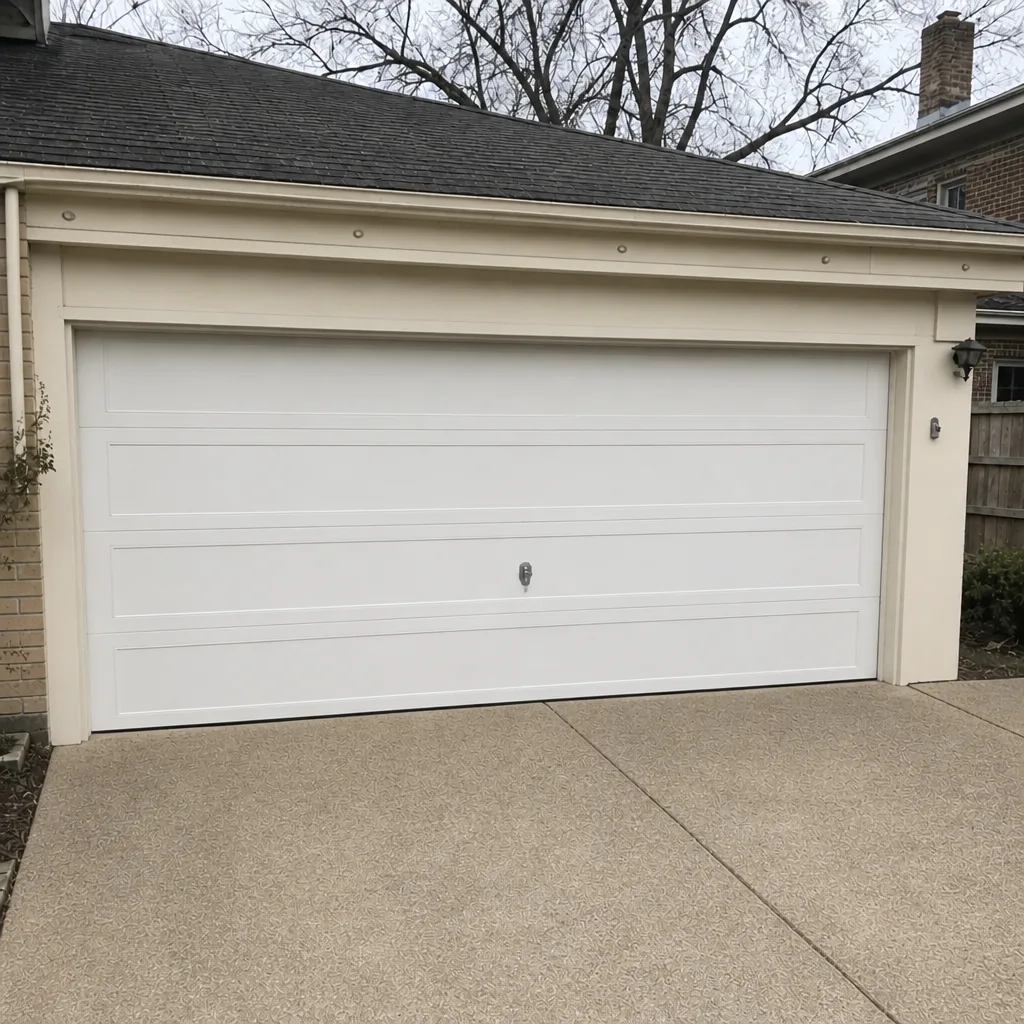
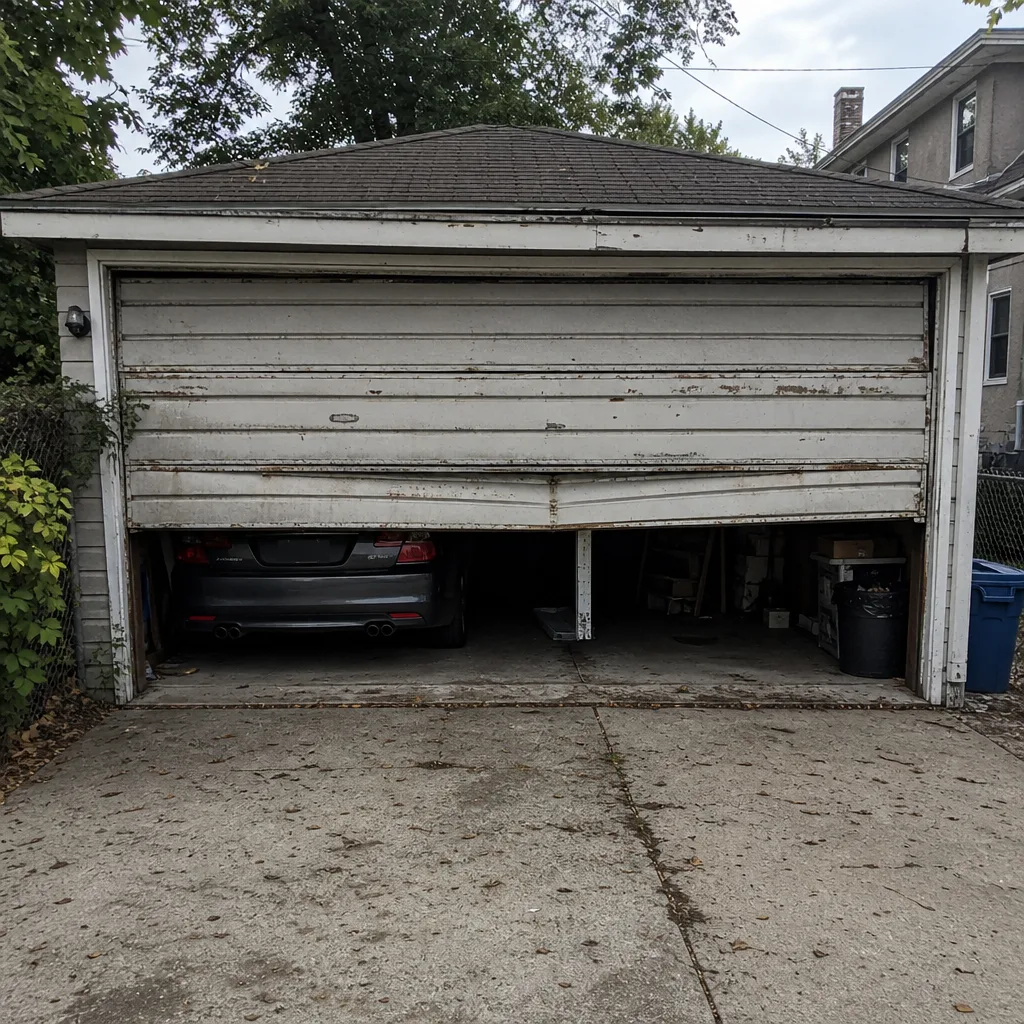
See the difference
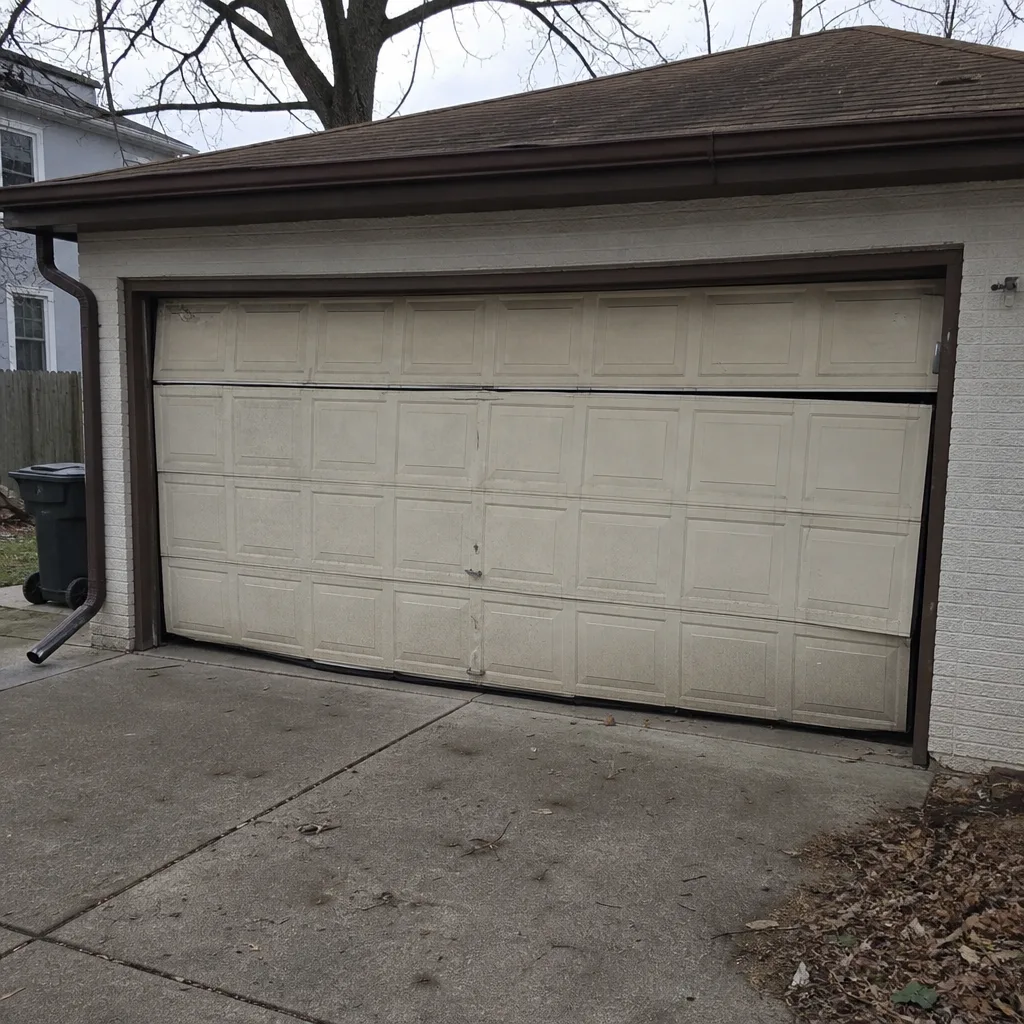 Before
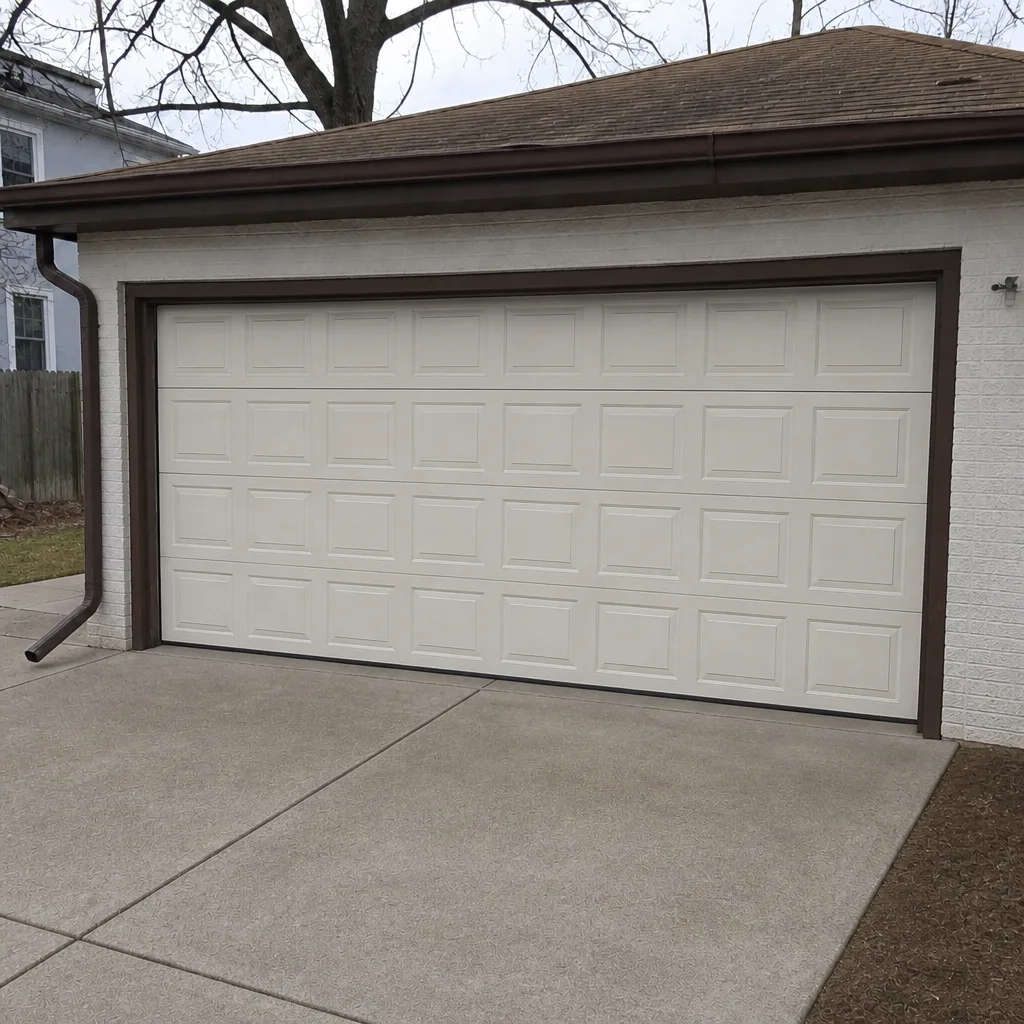 After
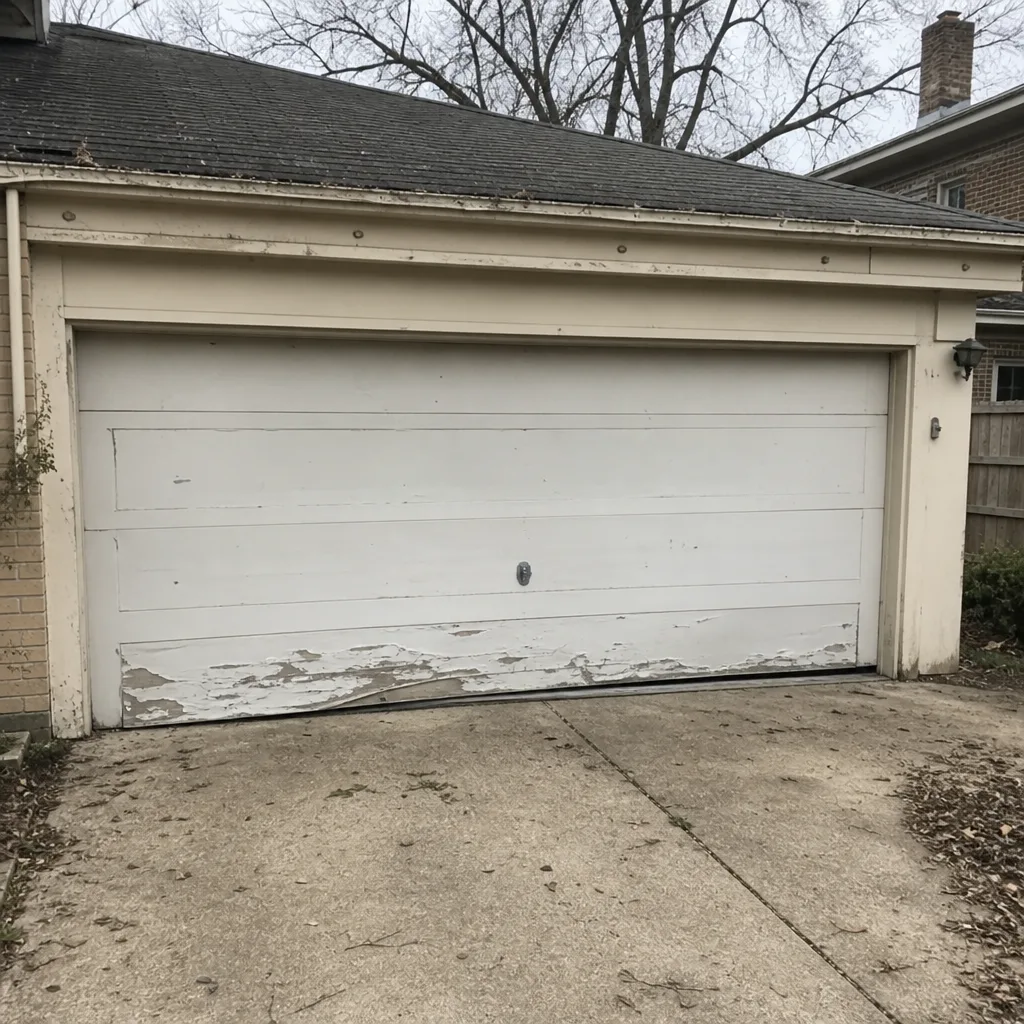 Before
 After
 Before
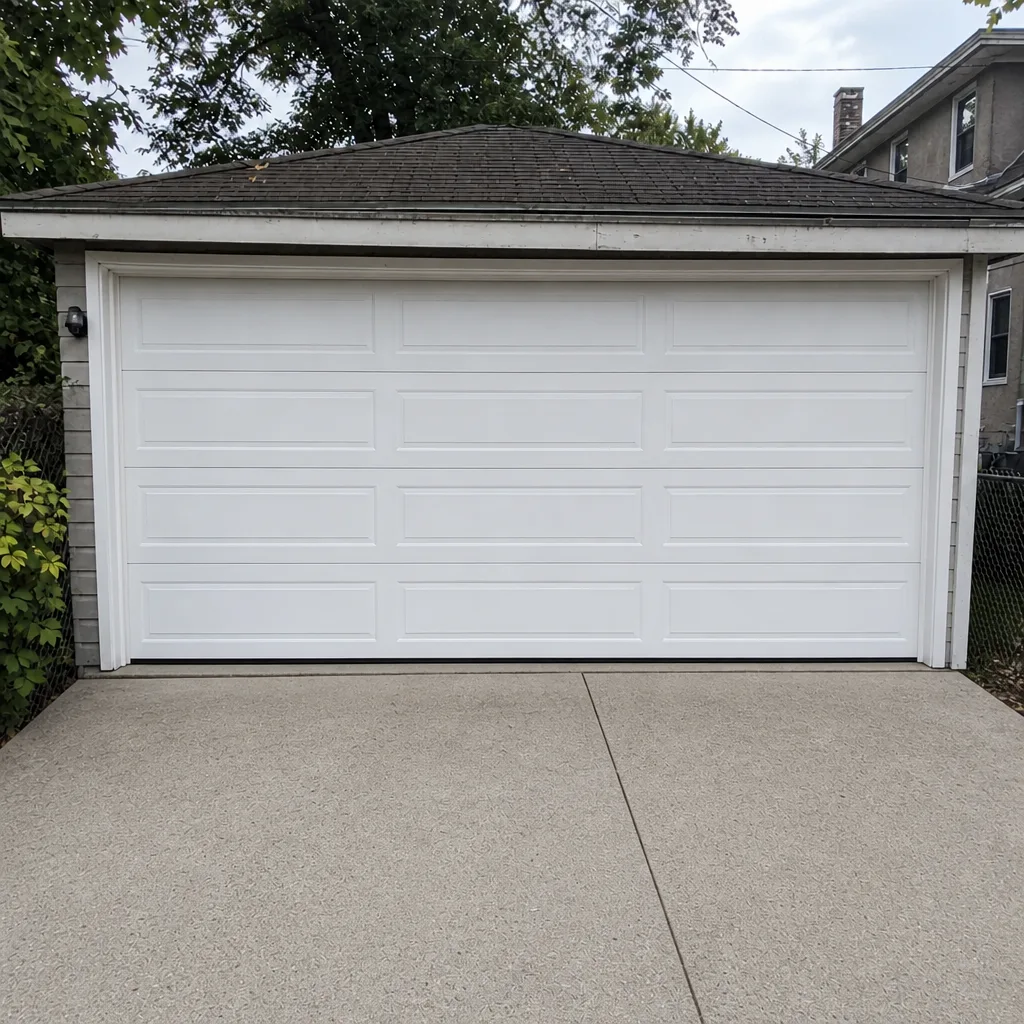 After
When to Call a Professional
Some garage door work is permit territory. Some of it is dangerous territory. Some is both. Call a professional when a spring has snapped or is visibly stretched, when the door won’t travel evenly or comes off track, when an opener stops reversing on contact or the photo-eye won’t hold alignment, when a panel is cracked or a cable is frayed, or when you’re planning any structural change and want the scope defined before you start the permit process. Springs and cables carry the highest injury risk, and a door hanging on a compromised spring is a door that shouldn’t be operated. For everything else, if the permit question is unclear or the scope is bigger than a swap, get the answer before you order parts or a door.
Evanston Garage Door Repair Pros offers free estimates in Evanston – call (855) 305-8770. We answer 24/7. Fast dispatch from 7am to 7pm, Sunday through Friday.
Frequently Asked Questions
It depends on the scope, not the door. A straight door swap into existing, unchanged hardware usually doesn’t require a permit in Evanston. Structural work – altering a header, repairing framing, or enlarging the opening – does, and so does adding new electrical for an opener circuit. The right move is a quick call to the city’s building department with your address and your scope. Call (855) 305-8770 for an exact quote on the door work – estimates are free.
Only if the opener installation involves new electrical work. Swapping an opener into an existing outlet and existing wiring is usually permit-free. Adding a dedicated circuit where none exists is an electrical permit situation. If you’re replacing a LiftMaster or Chamberlain unit with a similar model in the same location using the existing wiring, that’s typically hardware work. Ask the building department to confirm for your address. Call (855) 305-8770 – we can talk through the electrical side and give you a written estimate.
The inspection verifies the work matches the permit, the structural attachment is correct, any electrical work meets code, and the opener’s safety reverse and photo-eye function properly. It also confirms the door operates cleanly at inspection time. It’s a scope-and-safety check, not a full diagnostics session. If your opener is showing issues before an inspection, sort them first. Call (855) 305-8770 for a free estimate on getting the opener right before the inspector arrives.
The project pauses, not ends. The inspector documents the deficiency, and you correct the work and schedule a re-inspection. Common causes are a scope mismatch between the permit and the work done, a non-functioning safety reverse or photo-eye, or an electrical code issue. Fix the deficiency, then re-inspect. Call (855) 305-8770 if the deficiency is mechanical – a binding door or an opener that won’t reverse needs a technician before the re-inspection.
Yes, through Evanston’s building department permit records by address. Ask them to pull the file and confirm permits issued and whether each one shows a final inspection. Compare the record to the physical door and hardware. If the door was replaced but no permit appears for structural or electrical work, flag it before closing. Call (855) 305-8770 if you want a professional to look at the door and tell you what was likely changed.
They can. If a door failure traces back to structural work that wasn’t permitted or inspected, an insurer can push back on coverage or hold you to a partial settlement. The exposure is highest on structural and electrical scope. On repair-only work – springs, openers, panels – the permit question mostly doesn’t apply. Talk to your insurer about your specific policy, and get the final inspection on record for any permitted project. Call (855) 305-8770 for a free estimate on repair or replacement work.
The Bottom Line
The garage door permit question in Evanston comes down to scope, not the door itself. Straight swaps into existing hardware usually skip the permit. Structural changes, new electrical, and visible work on a historic district property do not. Ask the city’s building department about your address before you order a door – one phone call eliminates weeks of uncertainty. If a project does require a permit, pull it before work starts, amend it if the scope grows, and confirm the final inspection is on record. That record protects you at resale and during an insurance claim. And if the work is mechanical – springs, cables, openers – get a trained technician, because permit-free doesn’t mean risk-free.
We work on the brand already in your garage, from Craftsman and Raynor to LiftMaster and Chamberlain, and we know the permit boundary on every kind of garage door project. Call (855) 305-8770 for a free estimate. We answer 24/7. Fast dispatch from 7am to 7pm, Sunday through Friday.
Written by the team at Evanston Garage Door Repair Pros.