
Last updated November 23, 2026
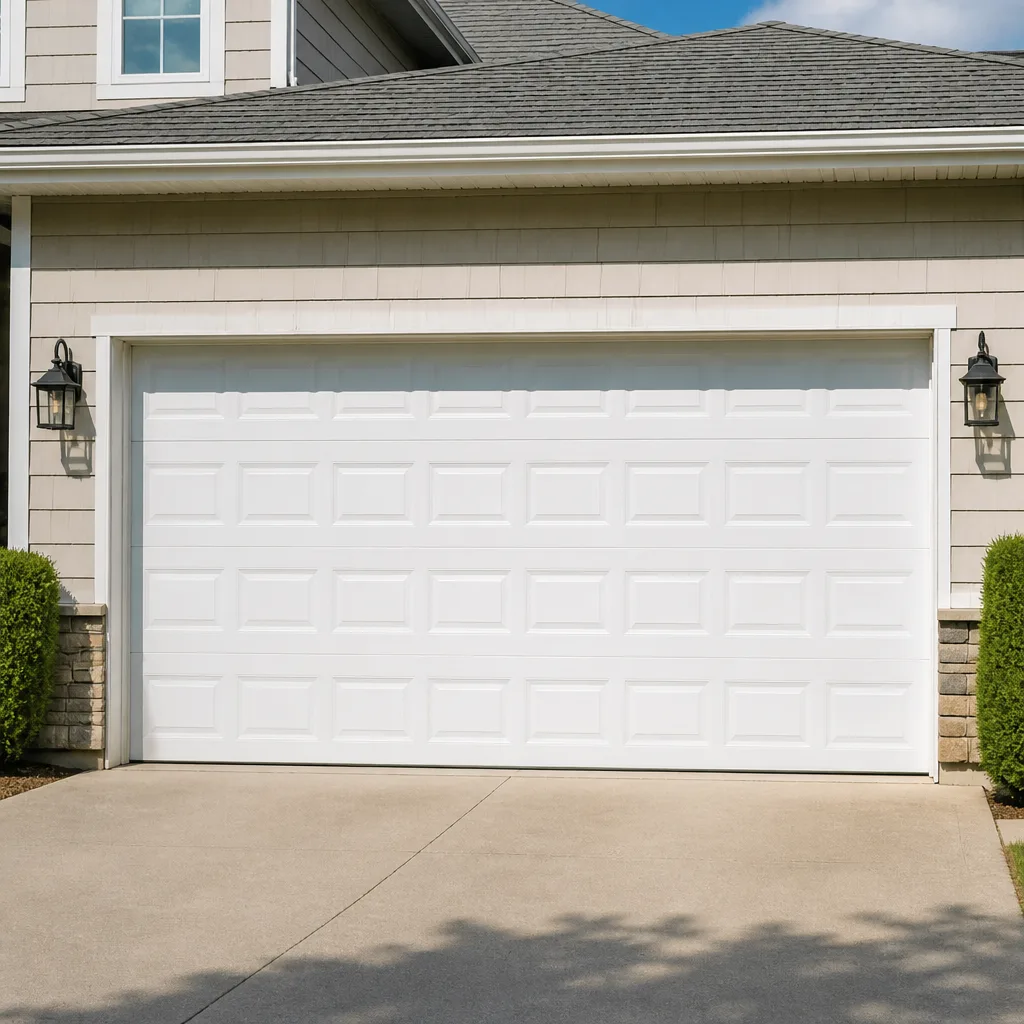 Raised-panel steel
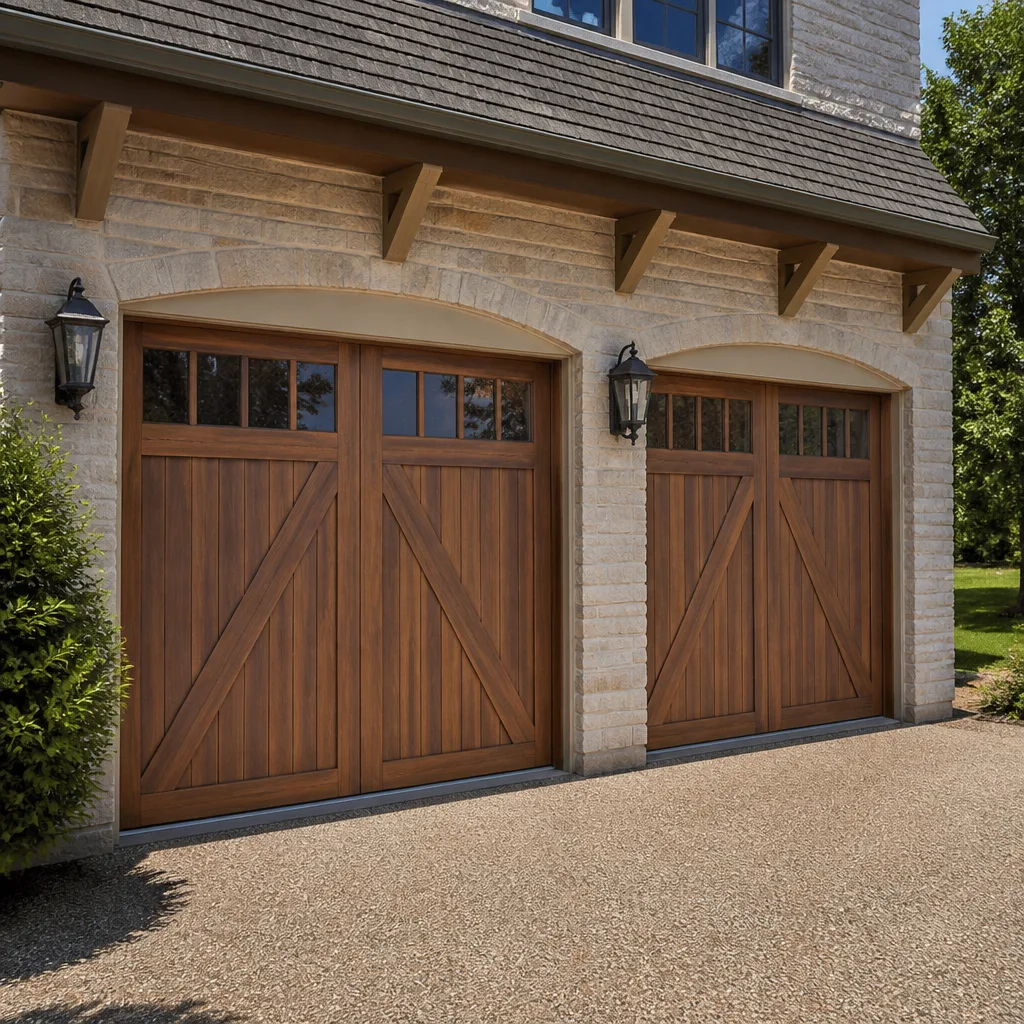 Carriage house
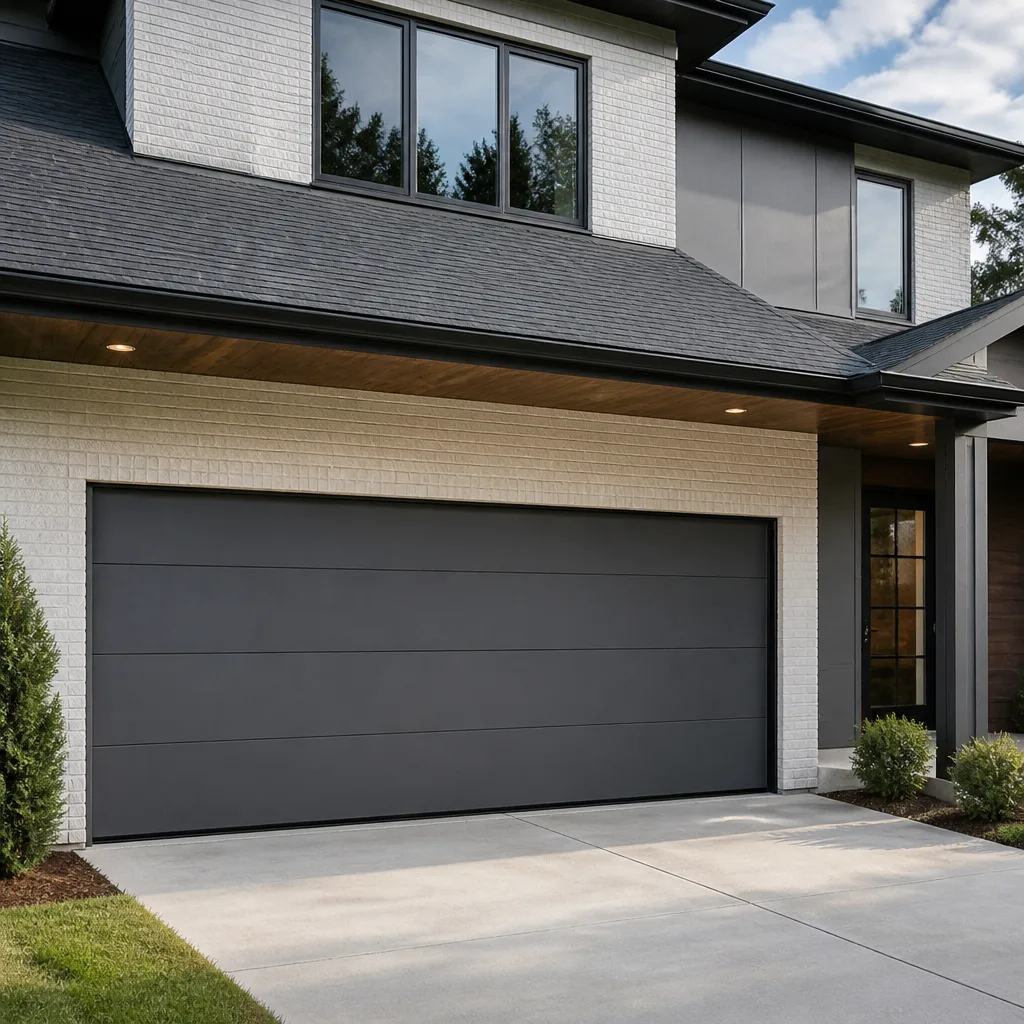 Modern flush
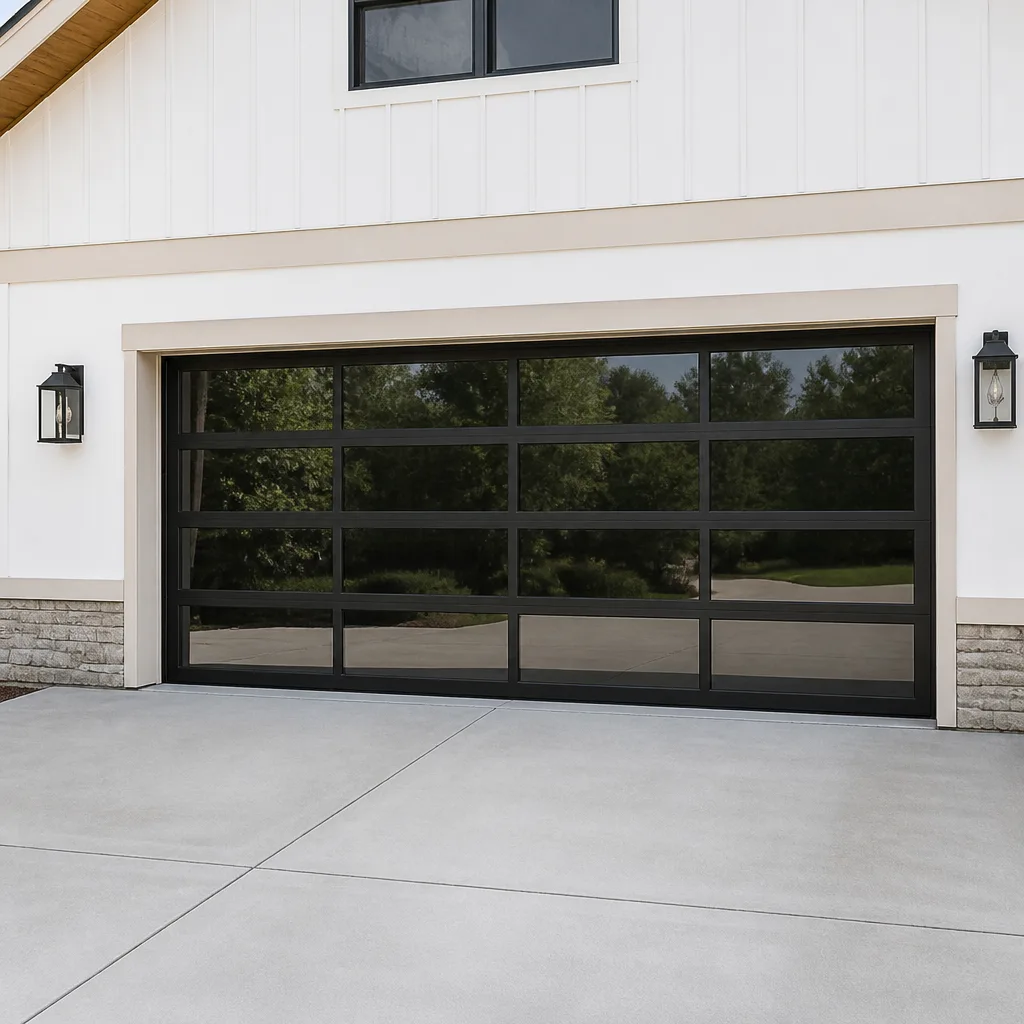 Full-view glass
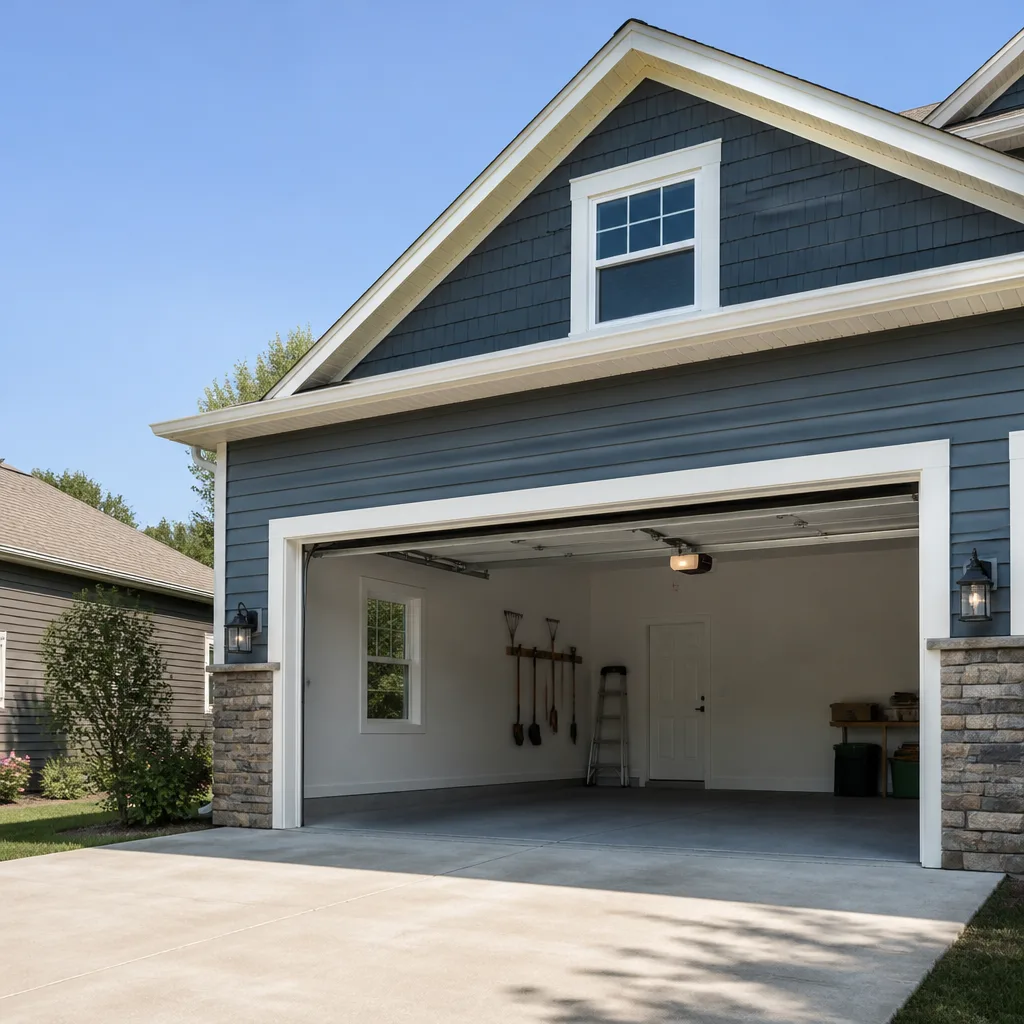 LiftMaster openers
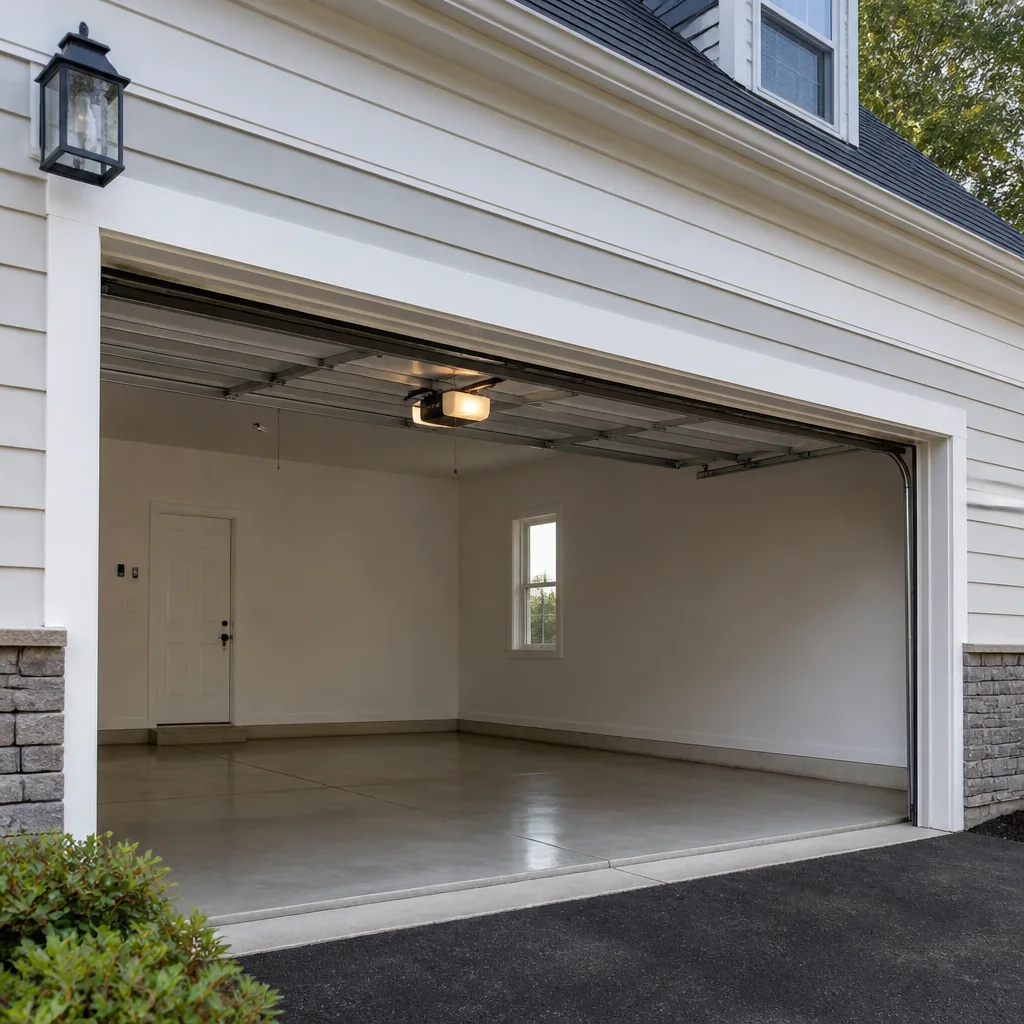 Chamberlain openers
Full 25-point door and opener safety check with every visit - springs, cables, rollers, tracks, and your LiftMaster or Chamberlain opener included
You get a price before we start. It does not change when the pro arrives.
Get your free estimateGarage Door Repair Troubleshooting in Evanston: Common Problems and How to Fix Them
The same grinding noise can mean three completely different problems depending on whether it happens on the way up, the way down, or only in cold weather. And treating the wrong one wastes money every time. Most garage door failures fall into one of four mechanical categories: spring and cable tension, track and roller alignment, opener electronics, or panel and seal damage. Knowing which category you’re in tells you immediately whether a screwdriver or a phone call is the right next move. This guide maps symptoms to root causes for Evanston homeowners, including the cold-weather failures that show up here every winter and never make it into national troubleshooting checklists.
Quick Answer
Most garage door problems in Evanston trace back to one of four systems: springs and cables, tracks and rollers, the opener, or the door panels and seals. A door that won’t budge at all usually points to a broken spring; a door that moves but sounds wrong usually points to tracks, rollers, or the opener. Anything involving torsion springs is a stop-and-call situation, while track alignment, remote pairing, and seal replacement are often safe for a careful homeowner to check.
Styles & brands we work with
- Raised-panel steel
- Carriage house
- Modern flush
- Full-view glass
- LiftMaster openers
- Chamberlain openers
Table of Contents
- The Symptom-to-Cause Matrix: Match the Noise to the Part
- Broken Springs: Why the Door Won’t Lift and Why You Shouldn’t Force It
- Off-Track Doors and Roller Problems
- Opener Troubleshooting: Door, Opener, or Wall Switch?
- Cold-Weather Failures Specific to Evanston Winters
- The DIY Boundary: What’s Safe to Touch and What Isn’t
- What to Tell a Technician So You Get an Accurate Quote
- Keeping the Door Working Through an Evanston Year
The Symptom-to-Cause Matrix: Match the Noise to the Part
Before you touch anything, listen. The sound a failing door makes and the moment it makes it narrows the problem faster than any visual inspection. A grind on the way up is a different failure than a grind on the way down, and a squeal that only appears below freezing is different again. We’ve worked on thousands of doors in Evanston, and the diagnosis usually starts with three questions: what does it sound like, when does it happen, and does the door move at all.
| Symptom | Most Likely Cause | DIY or Call? |
|---|---|---|
| Door won’t move; opener hums or clicks once | Broken torsion or extension spring | Call. Never force it. |
| Grinding on the way up | Dry or worn rollers, or a roller popped out of its track | Inspect visually; call if the track is bent |
| Grinding on the way down only | Track misalignment or an obstruction the safety sensors flag late | Inspect; call if track is visibly bent |
| Squeal in cold weather only | Thickened lubricant and contracted metal tracks | Safe to check; call if it persists |
| Door reverses immediately after touching the floor | Safety sensor misalignment or a frozen bottom seal | Safe to check sensors and seal |
| Door rises a few inches and stops | Spring tension loss or opener force setting | Call if springs look intact |
| Remote works, wall switch doesn’t (or vice versa) | Wall switch wiring or opener logic board | Safe to test, call to repair |
| Door hangs crooked | One broken extension spring or a snapped cable | Call. Cable tension is dangerous. |
That table covers most of what walks through Evanston garages. The rest of this guide goes deeper on each category, because the fix depends on the exact component, not the general symptom. Two doors can make the same noise and need completely different repairs.
Broken Springs: Why the Door Won’t Lift and Why You Shouldn’t Force It
A torsion spring that snaps usually announces itself with a bang that sounds like a gunshot from inside the garage. After that, the door is dead. The opener may hum, click, or run the motor without moving anything, because the spring was doing the lifting and now it isn’t. Extension springs fail more quietly, often with a snap and a door that hangs crooked on one side.
Here’s why this matters more than any other failure on this list: a torsion spring on a standard residential door holds hundreds of pounds of tension. That tension is what makes a door feel light when it’s working. When a spring snaps or a cable comes loose under load, the stored energy releases fast, and the winding bars, cables, and brackets involved can cause serious injury if handled without proper tools and training. Spring work is the most mechanically dangerous repair a homeowner can attempt. It is not a screwdriver job.
What you can safely do:
- Stop using the opener immediately. Running a motor against a dead spring can burn out the opener or snap a cable.
- Disconnect the opener with the manual release cord so nobody accidentally cycles the door.
- Keep the door closed if it’s in the down position, and don’t try to lift it by hand.
- Note whether the door has one spring or a matched pair. A pair is usually replaced together, since both springs have taken the same cycles.
Our technicians have up to 15 years of experience with spring work, and garage door spring repair is one of the most common calls we get in Evanston once the first cold snap hits. If your door snapped a spring, that’s a call, not a project.
Off-Track Doors and Roller Problems
An off-track door is usually obvious: the door is skewed in the opening, one side is out of the vertical track, or a roller has popped free and the door is grinding along the frame. Sometimes it’s subtler. A single roller can wear flat, sit slightly out of its channel, and cause a rhythmic clunk every time it passes a track joint. Same root cause, very different severity.
What to check, safely, from the ground:
- Look at the vertical tracks on both sides. They should be straight and parallel. A visible bend or kink means the door needs realignment, not adjustment.
- Check the rollers at each hinge. A roller that’s cracked, flat-spotted, or sitting outside the track channel is a repair item.
- Check the horizontal tracks above the door. They should angle up slightly toward the back. If one is visibly lower or bent, the door is running on borrowed time.
- Don’t force a door that’s off track. Running the opener on a misaligned door can bend panels, which turns a cheap repair into a replacement.
Track alignment and roller replacement are routine work, and a good technician will check the whole door while they’re in there. If the door has been off track for a while, the panels may have bent stress points that only show up once the door is running again. Honest garage door repair means telling you that up front rather than after the invoice.
Opener Troubleshooting: Door, Opener, or Wall Switch?
Before you call anyone about a door that “won’t open,” figure out where the failure actually lives. There are three separate systems involved: the door and its springs, the opener unit, and the wall switch and remotes. Isolating which one is failing narrows the diagnosis to minutes instead of a site visit, and it’s the single most useful piece of information you can give a technician on the phone.
Run these tests in order:
- Try the wall switch. If the door opens from the wall but not the remote, the problem is the remote, its battery, or the receiver. If neither works, keep going.
- Disconnect the opener with the release cord and lift the door by hand. If it’s heavy or won’t stay up, the door has a spring or balance problem, and the opener was never the issue. If it moves easily by hand, the door is fine and the opener is the suspect.
- Reconnect and watch the opener’s light or listen for a click. A single click with no movement often means a capacitor or logic board fault. A hum with no movement can mean a stripped gear.
- Check the safety sensors at the bottom of the tracks. A misaligned or dirty sensor will let the door start down and then reverse. Wipe the lenses and check that the indicator lights on both units are solid.
We work on the brand already in your garage, which matters here because the diagnostics differ. A LiftMaster or Chamberlain/myQ unit has a different logic sequence and error pattern than a Genie or Craftsman opener, and knowing the platform saves time. Our garage door opener repair covers both legacy units and modern Wi-Fi-connected systems.
Cold-Weather Failures Specific to Evanston Winters
Evanston winters do things to garage doors that national troubleshooting guides don’t account for. The freeze-thaw cycle along the lake and the weeks of hard cold in January and February create a set of failures that show up reliably every year, and most of them look like bigger problems than they are.
The three cold-weather failures we see most:
- Frozen bottom seals. The rubber seal along the bottom of the door absorbs moisture from melted snow off the car, then freezes to the concrete. The opener pulls, the door doesn’t move, and the safety system may reverse the door repeatedly. Freeing it carefully without tearing the seal is a homeowner-safe fix once you know what you’re looking at.
- Contracted metal tracks. Steel tracks shorten slightly in deep cold. On an older door that’s been running right at the edge of its clearance, that contraction is enough to make the rollers bind or the door drag on one side. It sounds like a major alignment problem and often isn’t.
- Thickened lubricant. Lubricant that’s perfect in July turns stiff below freezing, and a door that ran quietly all summer suddenly groans on every cycle. This one is maintenance, not repair, and a cold-weather-appropriate lubricant on the hinges, rollers, and springs resolves it.
There’s a fourth issue that’s less mechanical: repeated snow melting off a car onto the garage floor can freeze the door to the slab and stress the bottom panel. In Evanston, where driveways are often short and garages unheated, this is routine. If a door only acts up in the cold, note that when you call. It’s a strong clue that the problem is climate-driven rather than a failing component.
The DIY Boundary: What’s Safe to Touch and What Isn’t
We’d rather you fix the small stuff yourself than pay for a call you didn’t need. But there’s a hard line in garage door work, and it’s worth being clear about where it sits. Here’s the honest split.
Safe for a homeowner with basic tools:
- Replacing remote batteries and re-pairing remotes to the opener
- Wiping and realigning safety sensors
- Lubricating hinges, rollers, and springs with a cold-weather-appropriate product
- Clearing an obstruction or freeing a frozen bottom seal
- Replacing a worn bottom seal or weatherstripping
- Checking that tracks are straight and rollers are seated (looking, not bending)
Not safe. Call a technician:
- Any work on torsion springs or the cables attached to them
- Winding or unwinding a spring, or replacing a spring of any kind
- Straightening a bent track that’s under door load
- Adjusting the opener’s force or travel limits beyond the manufacturer’s basic settings
- Anything that requires lifting the door off its hinges or removing a panel under tension
The reason for the line is physics, not caution for its own sake. Springs store energy, and that energy doesn’t care whether the person handling it has done it before. A trained technician works with proper winding bars and knows how to control the release. A homeowner with a pair of vice grips doesn’t.
What to Tell a Technician So You Get an Accurate Quote
The gap between a ballpark estimate and a real one comes down to what the technician knows before they arrive. When a call comes in with “the door is broken,” the honest answer has to be a range. When it comes in with “the door won’t lift, the opener hums and clicks, and there’s a gap in one torsion spring,” the quote can be specific. That’s better for you and faster for them.
Give us these five things when you call:
- What the door does. Won’t move, moves crooked, reverses immediately, moves a few inches and stops, or runs but sounds wrong. Be specific.
- What you hear. Silence, a click, a hum, a grind on the way up, a grind on the way down, or a squeal only in cold weather.
- Whether it’s the door or the opener. If you’ve already tried the wall switch and manual release test, say so. It saves diagnostic time.
- The door’s setup. Single or double car door, torsion or extension springs, and the brand if you know it. LiftMaster, Chamberlain, Genie, Clopay, Amarr, Wayne Dalton, Craftsman, and Raynor all come through Evanston garages, and knowing the brand helps us show up prepared.
- Whether the door is up, down, or stuck partway. A door stuck open is a security issue and needs priority handling.
When your garage door won’t move, every hour matters, and a five-minute call with the right details often turns a wide guess into a firm number. We answer 24/7. A call outside dispatch hours is booked into the next opening, Sunday through Friday, 7am to 7pm.
Keeping the Door Working Through an Evanston Year
Most emergency calls we get in Evanston trace back to something that was visible weeks earlier. Springs fatigue gradually, rollers wear flat, tracks work loose at the brackets, and the bottom seal hardens until it cracks. A short seasonal check catches these before they strand a car in the garage.
A practical rhythm for an Evanston door:
- Fall, before the first hard freeze: lubricate hinges, rollers, and springs with a cold-rated product; check the bottom seal for cracks; test the safety sensors; run the door a few full cycles.
- Midwinter: clear snow and ice from the door’s path and the bottom seal; listen for new noises; check that nothing has frozen to the slab.
- Spring, after the thaw: inspect tracks for bends or loose brackets from winter movement; check roller condition; tighten any visible hardware that’s worked loose.
- Any time you notice a change: a new sound, a door that hesitates, or a remote that’s suddenly unreliable is worth a look before it becomes a call.
Balance matters more than any single part. A door that’s slightly out of balance puts extra load on the opener and the springs, and that’s what shortens their life. If you’re not sure whether your door is balanced, that’s a good question for a technician during any routine visit.
Common Mistakes to Avoid
- Forcing a door with a broken spring. Running the opener against a dead spring can strip the opener’s gear and snap a cable under load. Stop the moment you suspect a spring.
- Bending a track back by hand. A track under door load is under tension, and a bad bend is worse than the original misalignment. Straightening it safely is a technician job.
- Treating a cold-weather noise as a major failure. Thickened lubricant and contracted tracks cause sounds that resolve with proper lubrication. Calling it a failing opener leads to unnecessary replacement.
- Ignoring a door that reverses on its own. A door that reverses at the floor is usually a sensor or seal issue, but it’s also a safety system telling you something. Don’t override it and keep using the door.
- Replacing one spring of a matched pair. Springs on the same door wear at the same rate. Replacing one leaves you with a mismatch that strains the door and usually means a second call soon.
- Waiting on a door stuck open. In Evanston, an open garage door is an access problem for the whole house. That’s an emergency call, not a next-week appointment.
- Giving a vague description when calling. “It’s broken” gets you a wide range. “It won’t lift and the opener clicks” gets you a number you can plan around.
See the difference
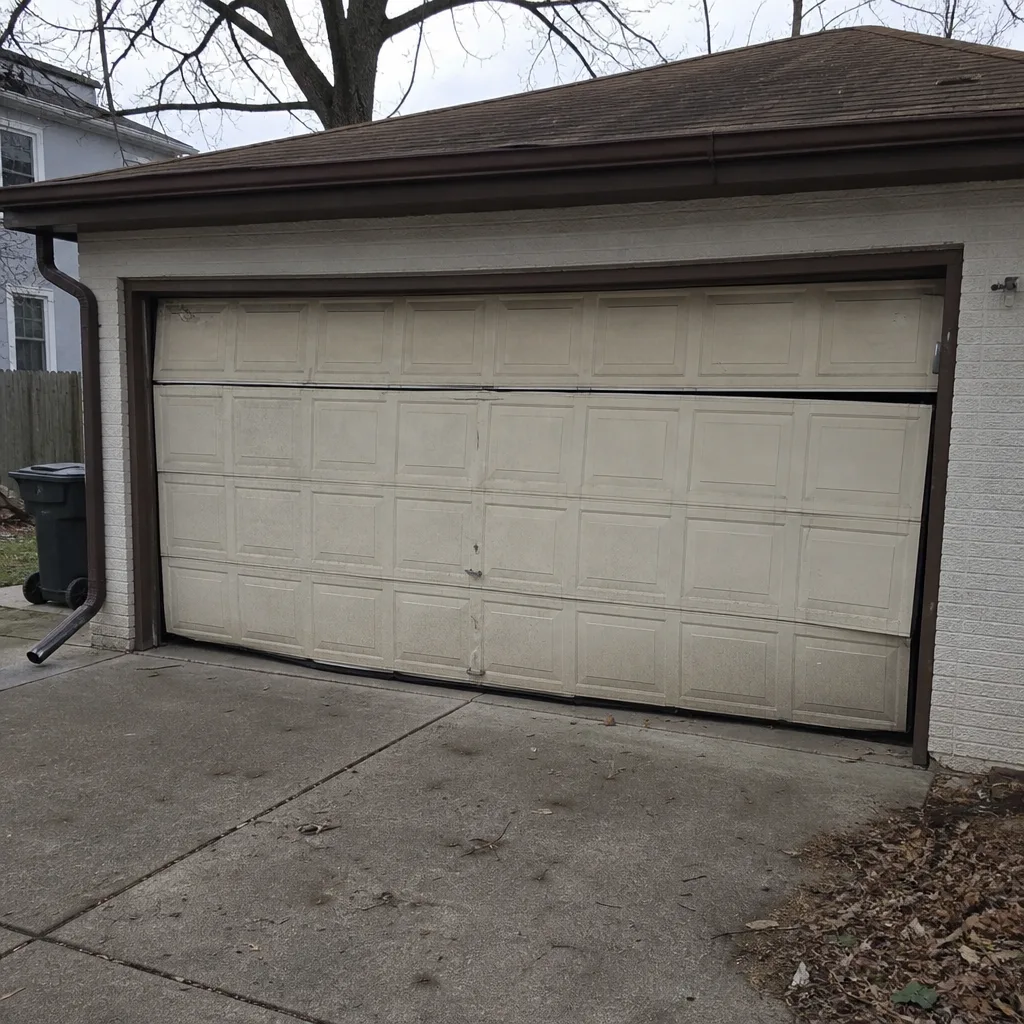 Before
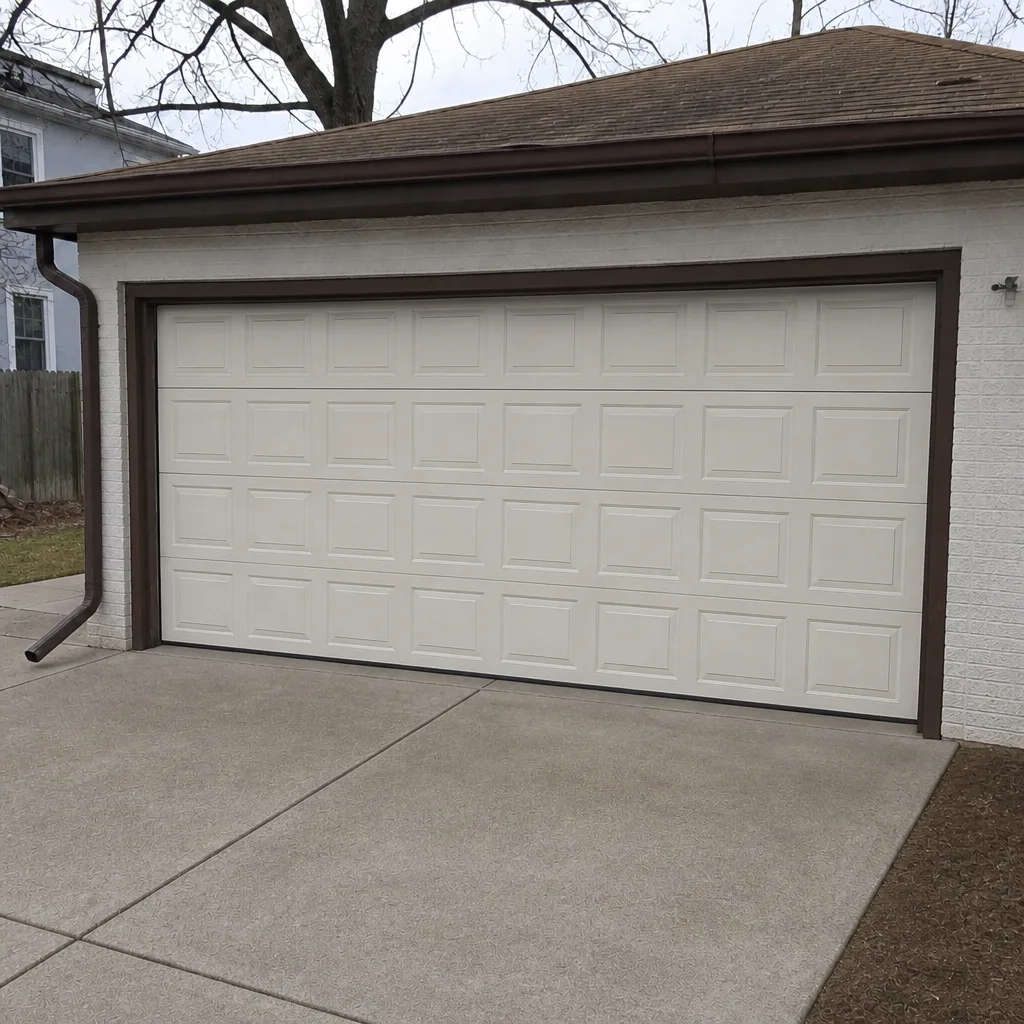 After
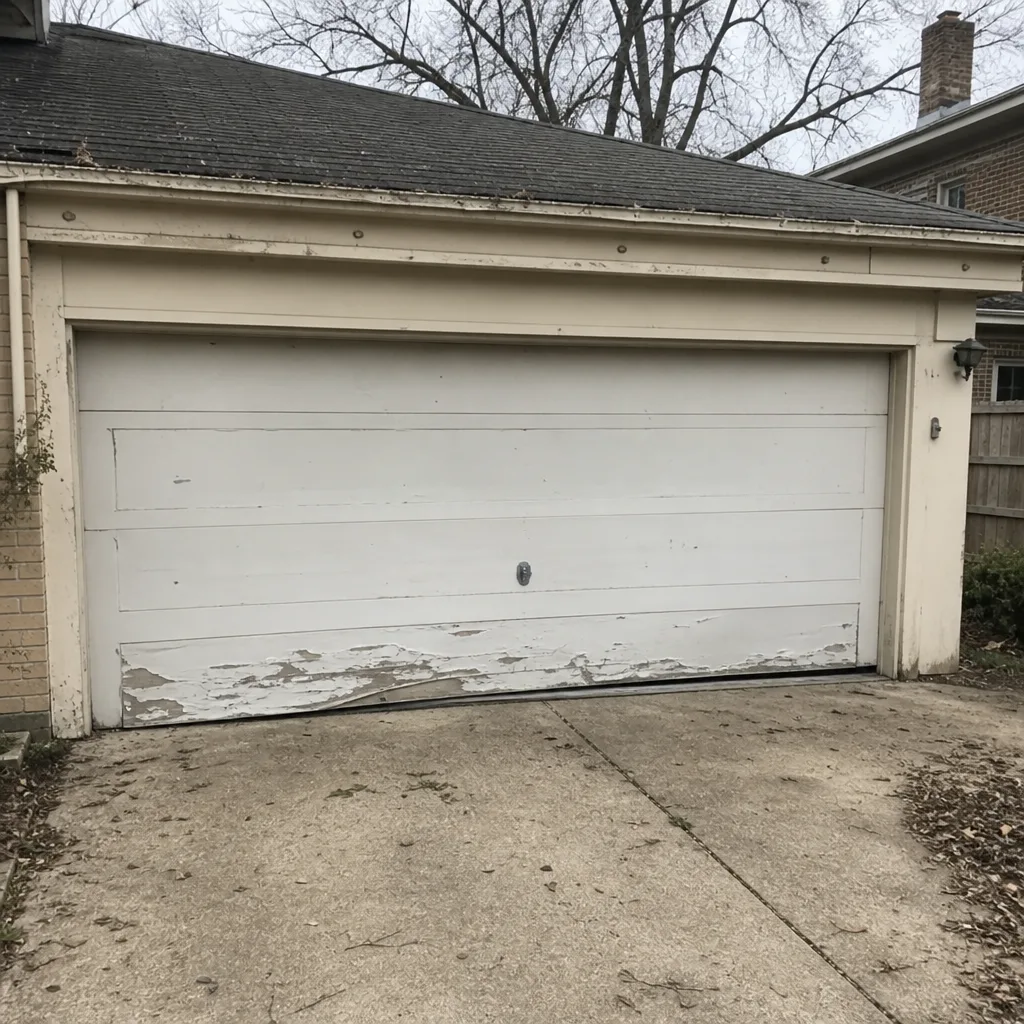 Before
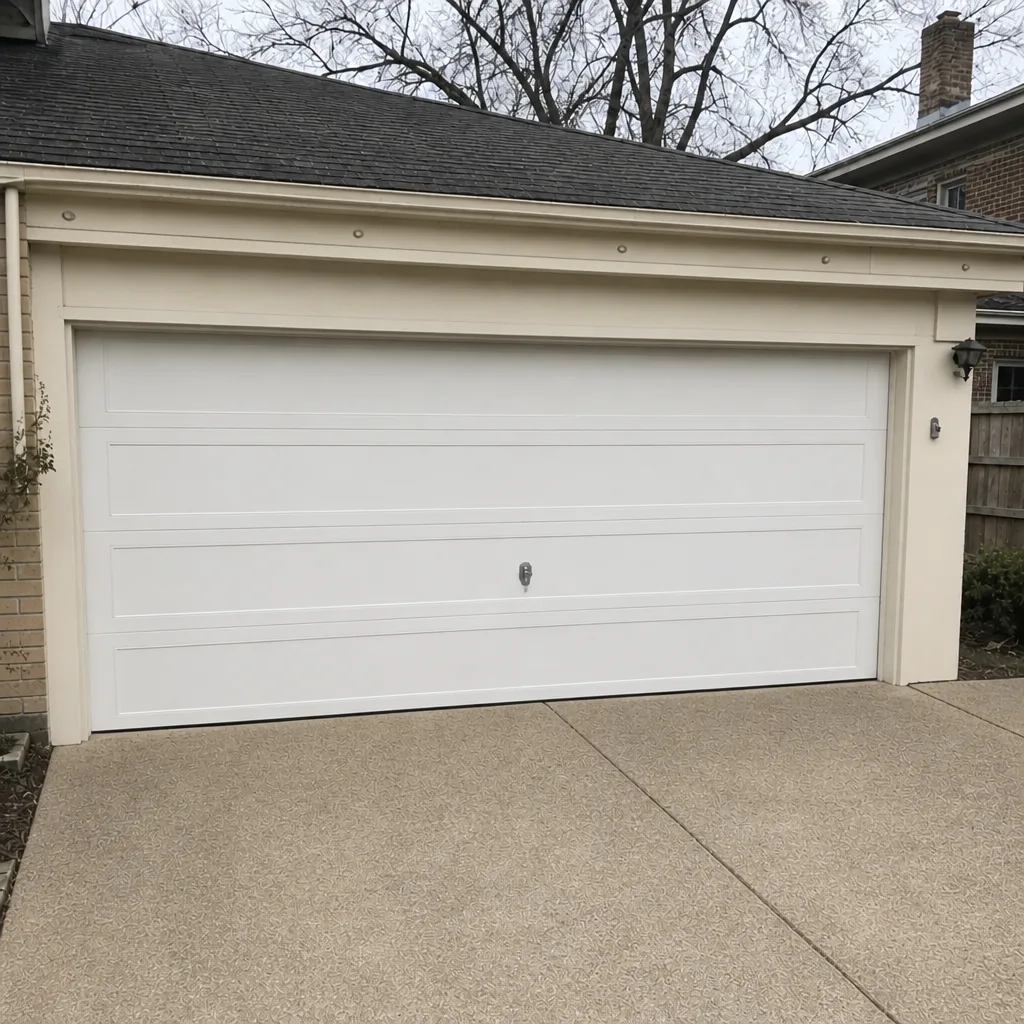 After
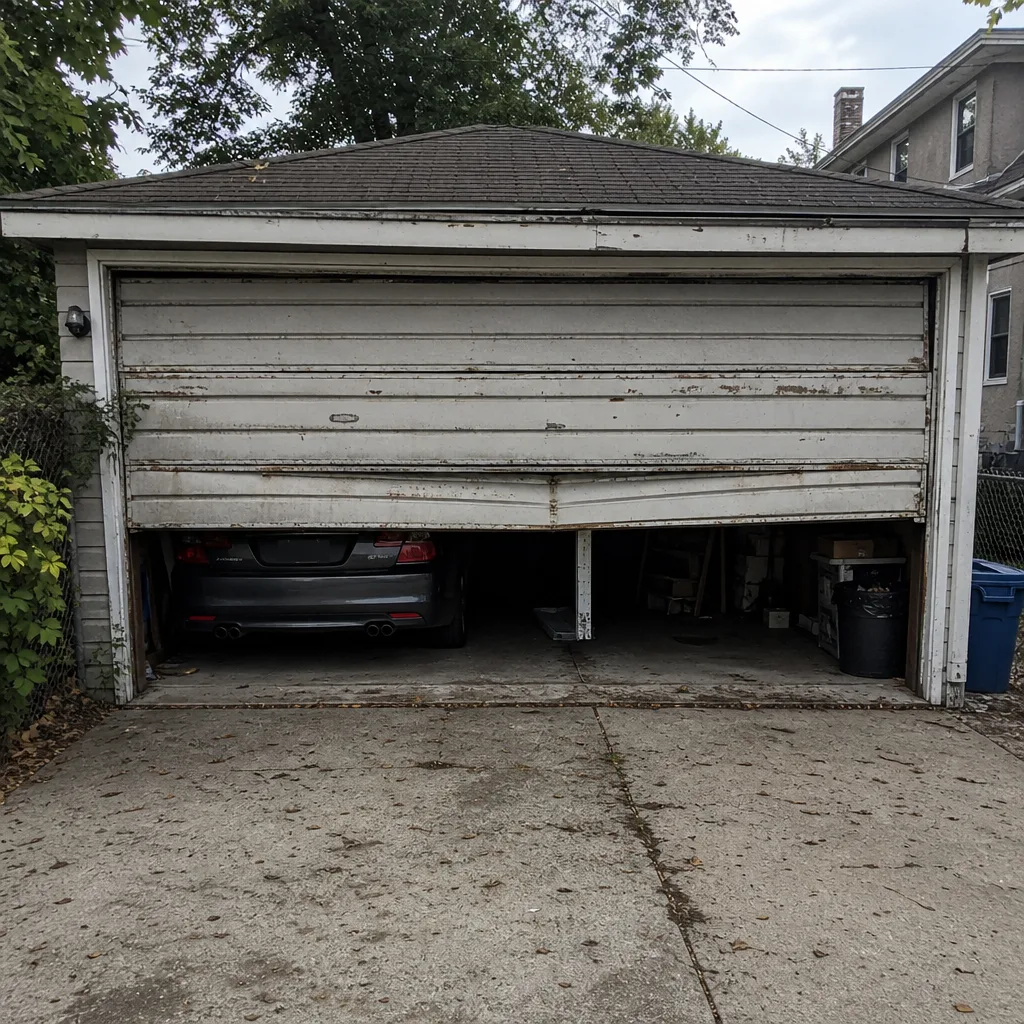 Before
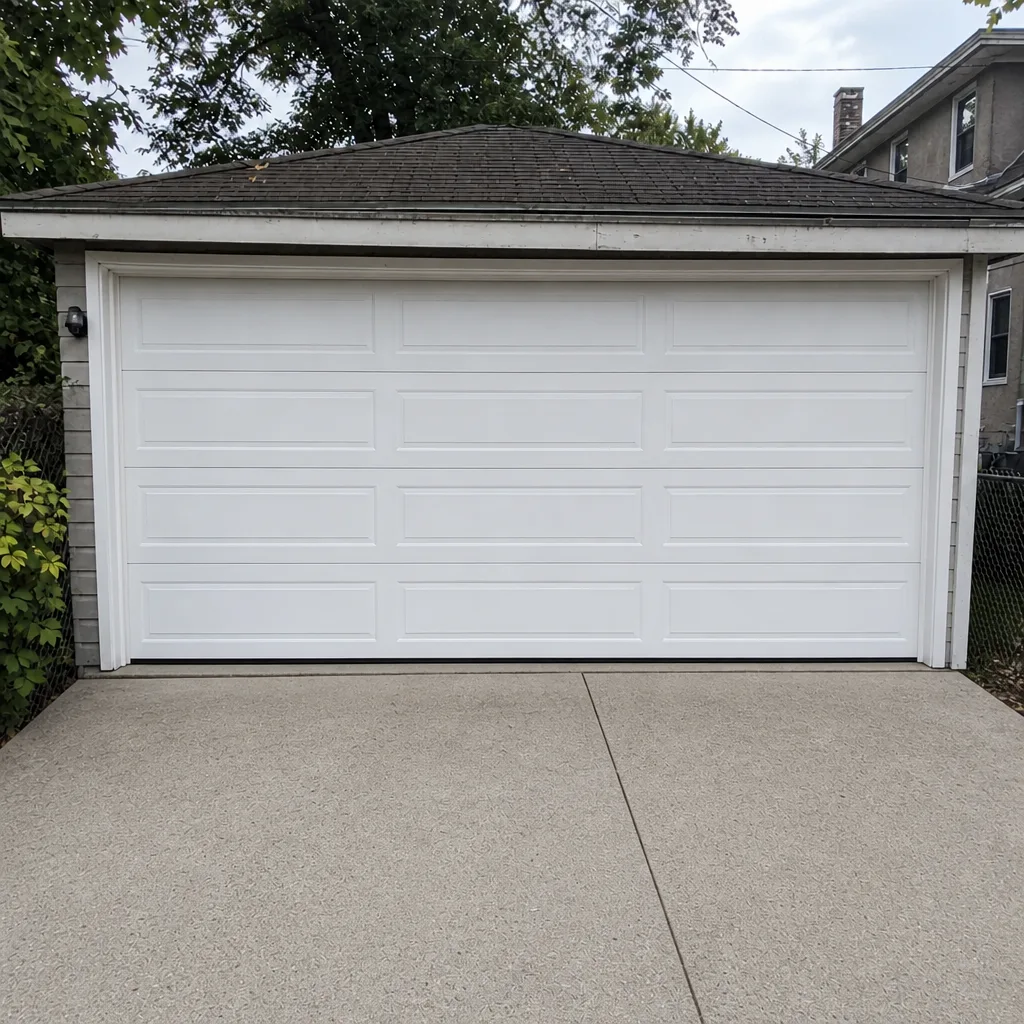 After
When to Call a Professional
Call a professional for anything involving torsion or extension springs, cables, or a bent track under load. Those are the jobs where the stored energy in the door can hurt someone. Call us as well if the door is stuck open and needs securing, if the opener hums or clicks without moving the door, or if you’ve tried the wall switch and manual release tests and the door still won’t behave. Evanston Garage Door Repair Pros works on the equipment from LiftMaster, Chamberlain, Genie, Clopay, Amarr, Wayne Dalton, Craftsman, and Raynor, so we’re familiar with the hardware before we arrive. The estimate is free, and the price is quoted and agreed before any work starts. Call (855) 305-8770. We answer 24/7. Fast dispatch from 7am to 7pm, Sunday through Friday.
Frequently Asked Questions
Most likely a broken torsion or extension spring, or a snapped cable. The opener motor runs because the motor is fine; there’s just nothing left to lift the door. Stop using the opener, disconnect it with the release cord, and call for spring repair. Forcing it can damage the opener and the door. Call (855) 305-8770 for a free estimate.
Cold-weather-only problems in Evanston usually come from three things: a frozen bottom seal stuck to the slab, metal tracks contracting enough to bind the rollers, or lubricant thickening below freezing. None of these are a failing opener. Note that the problem only happens in cold weather when you call, because it points a technician straight to the right cause.
No. Springs store hundreds of pounds of tension, and releasing that energy without proper tooling can cause serious injury. Spring replacement is a trained-technician job. Track alignment, seal replacement, sensor realignment, and lubrication are safe for a homeowner, but springs and cables are not. Call us for spring work.
Use the manual release cord to disconnect the opener and lift the door by hand. If it’s heavy or won’t stay up, the door has a spring or balance problem. If it moves easily, the door is fine and the opener is the suspect. That single test separates most repair calls into two categories. Call (855) 305-8770 if you’re not sure what the result means.
Yes, in most cases. A garage door stuck open leaves the house exposed and the door vulnerable to wind damage, so we treat it as an emergency call. Tell us the door is stuck open when you call so we can prioritize it. Call (855) 305-8770. We answer 24/7, with fast dispatch from 7am to 7pm, Sunday through Friday.
We work on equipment from eight major brands: LiftMaster, Chamberlain, Genie, Clopay, Amarr, Wayne Dalton, Craftsman, and Raynor. That includes modern Wi-Fi-connected openers like LiftMaster and Chamberlain/myQ models as well as older legacy units. Tell us the brand when you call and we’ll arrive knowing the hardware. Call (855) 305-8770 for a free estimate.
The Bottom Line
Most garage door failures in Evanston fall into four categories, and the symptom tells you which one you’re in. A door that won’t lift is usually a spring. A door that moves but sounds wrong is usually tracks, rollers, or the opener. A door that only misbehaves in winter is usually cold-weather-related and often fixes with lubrication and a seal check. The DIY boundary is clear: remotes, sensors, seals, and lubrication are fair game; springs, cables, and loaded tracks are not. Sort your symptom into a category before you call, tell the technician exactly what you’ve observed, and you’ll get a real quote instead of a wide range. If you’re not sure, call and describe what you’re seeing. Evanston Garage Door Repair Pros covers repair, opener work, springs, and installation, from opener diagnostics to full door replacement, one call covers it all. Call (855) 305-8770 for a free estimate.
Written by the team at Evanston Garage Door Repair Pros.